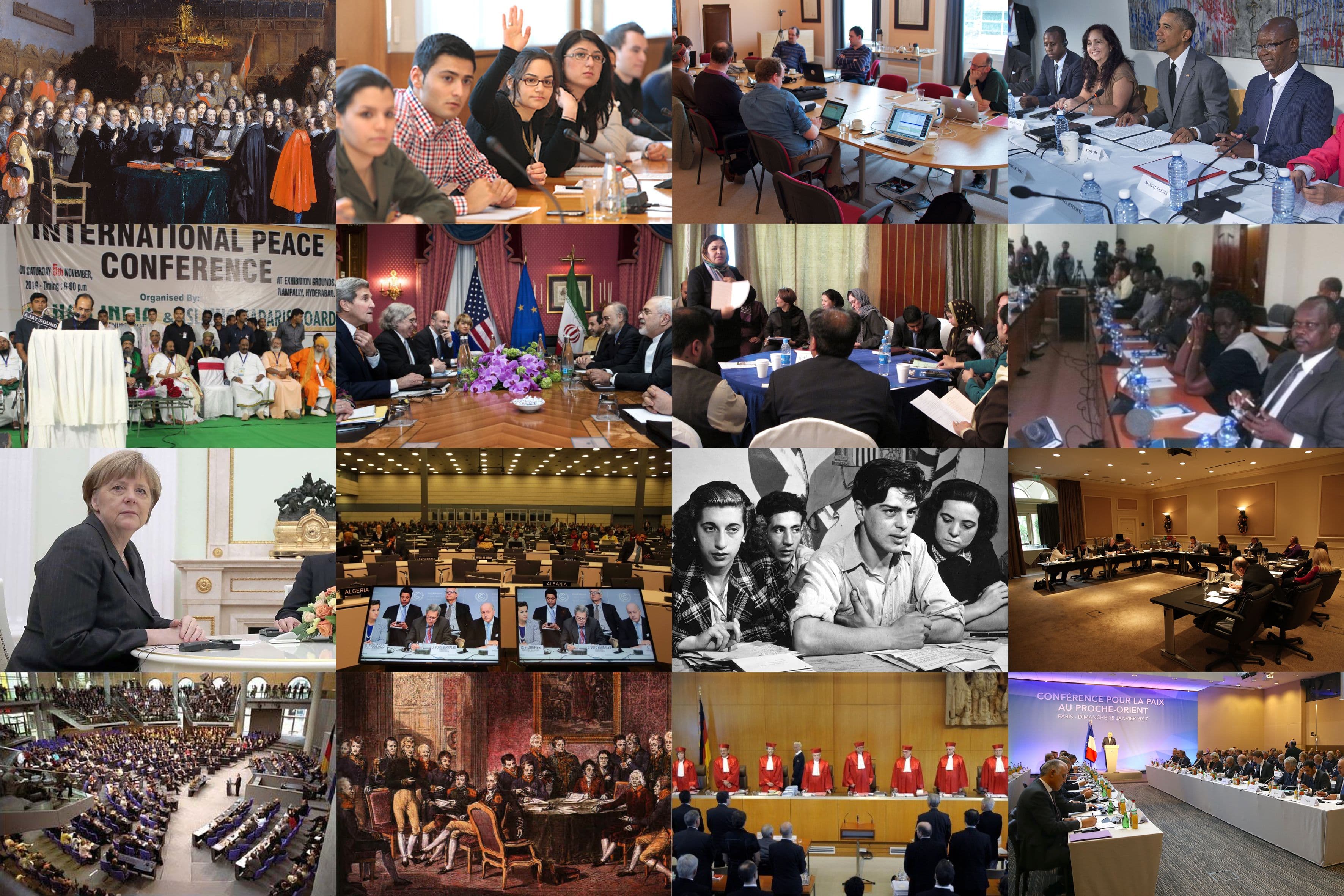
 ©WDC Campus
WDC-Campus: Dialogwerkstätten
Democratic Tableware | Dialogwerkstatt
WDC-Campus in Zusammenarbeit with Bauhaus-Universität Weimar
...
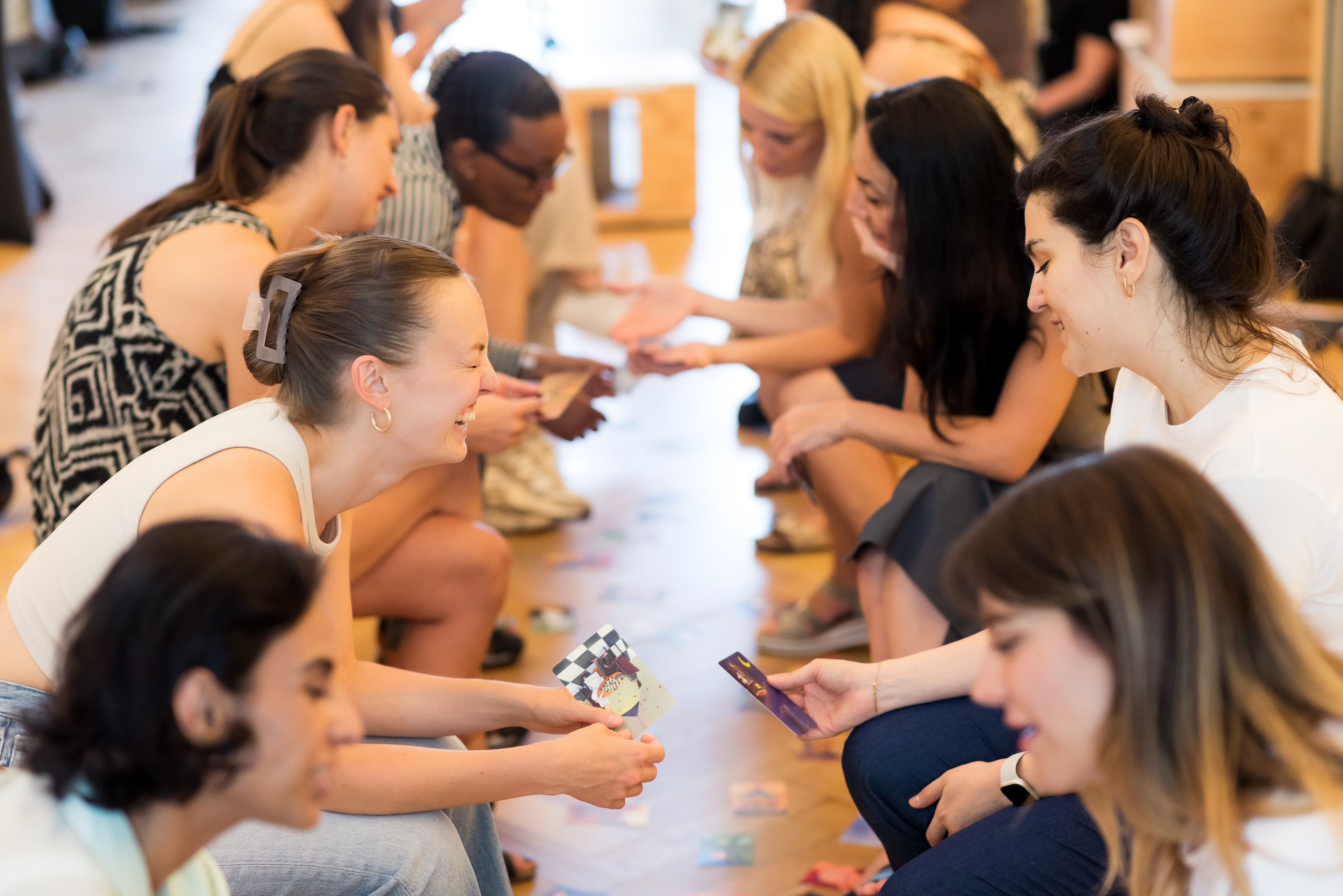
How can negotiations be modeled? Democratic Tableware explores how design can support discussions, decision-making processes, and conflict solutions.
In practice, negotiations are often characterized by misunderstandings, imbalances, or conflicts. Time pressure, differing interests, varying levels of information, or personal prejudices can lead to discussions failing. At the same time, democracy lives on both - controversial debate and the ability to develop joint solutions.
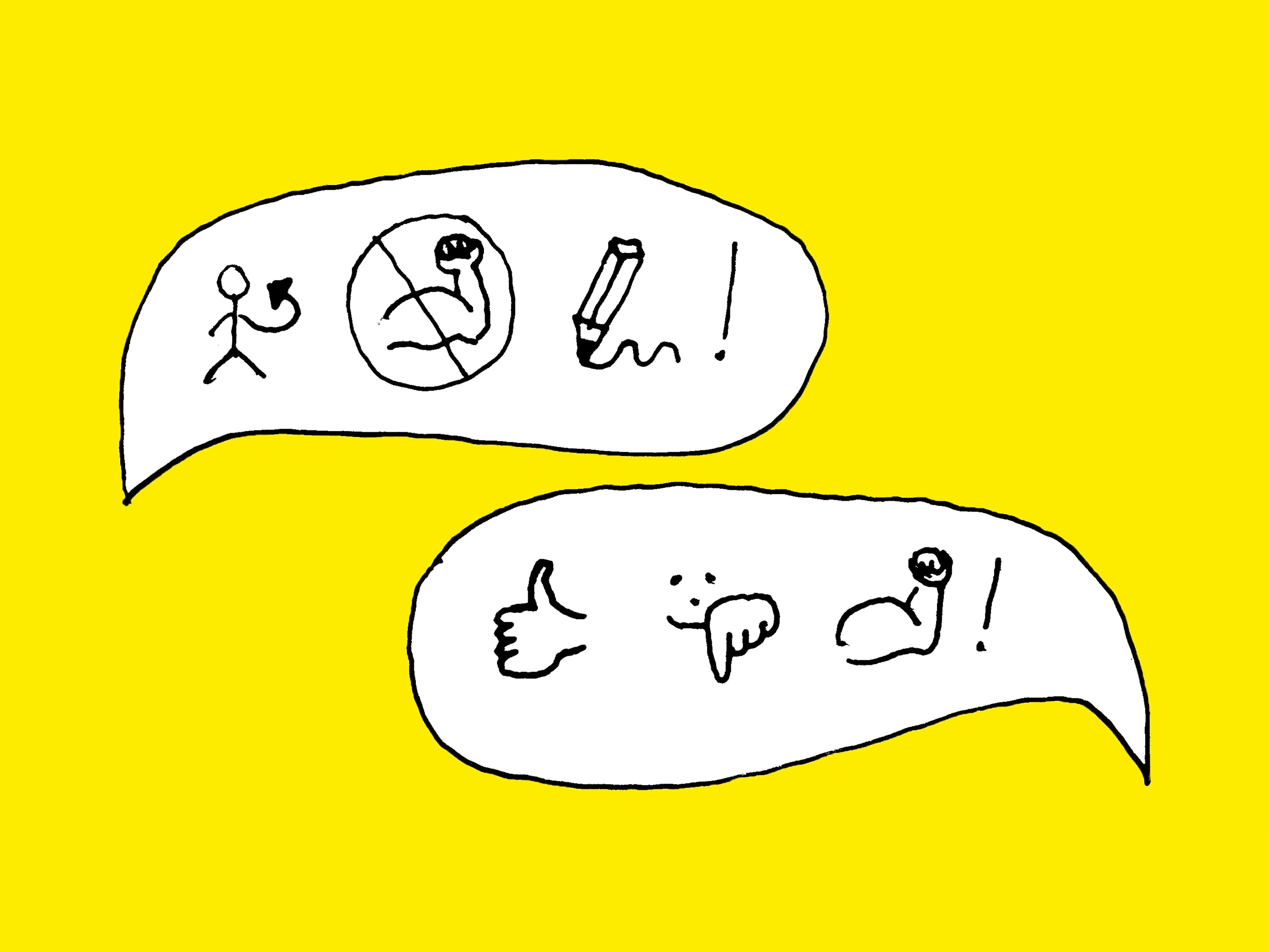
The designed objects address precisely this issue. They explore how physical artifacts can structure, visualize, or moderate communication processes - not only about language as the central medium of democratic discourse. The body also plays an important role: gestures, movements, postures, and spatial relationships influence how people communicate with each other and make decisions.
Based on embodiment research, the objects experiment with physical, visual, and haptic elements. These design elements enable new forms of multimodal negotiation situations that involve multiple senses and open up alternative ways of participation. The objects developed are intended as tools that can help to make communicative barriers visible and make conversations more productive.
Registration required.
A semester project in the Product Design study program at the Bauhaus-Universität Weimar under supervision of Prof. Andreas Mühlenberend and Niklas Hamann, in scientific collaboration with psychologist Dr. Klaus Harnack.
Related Events
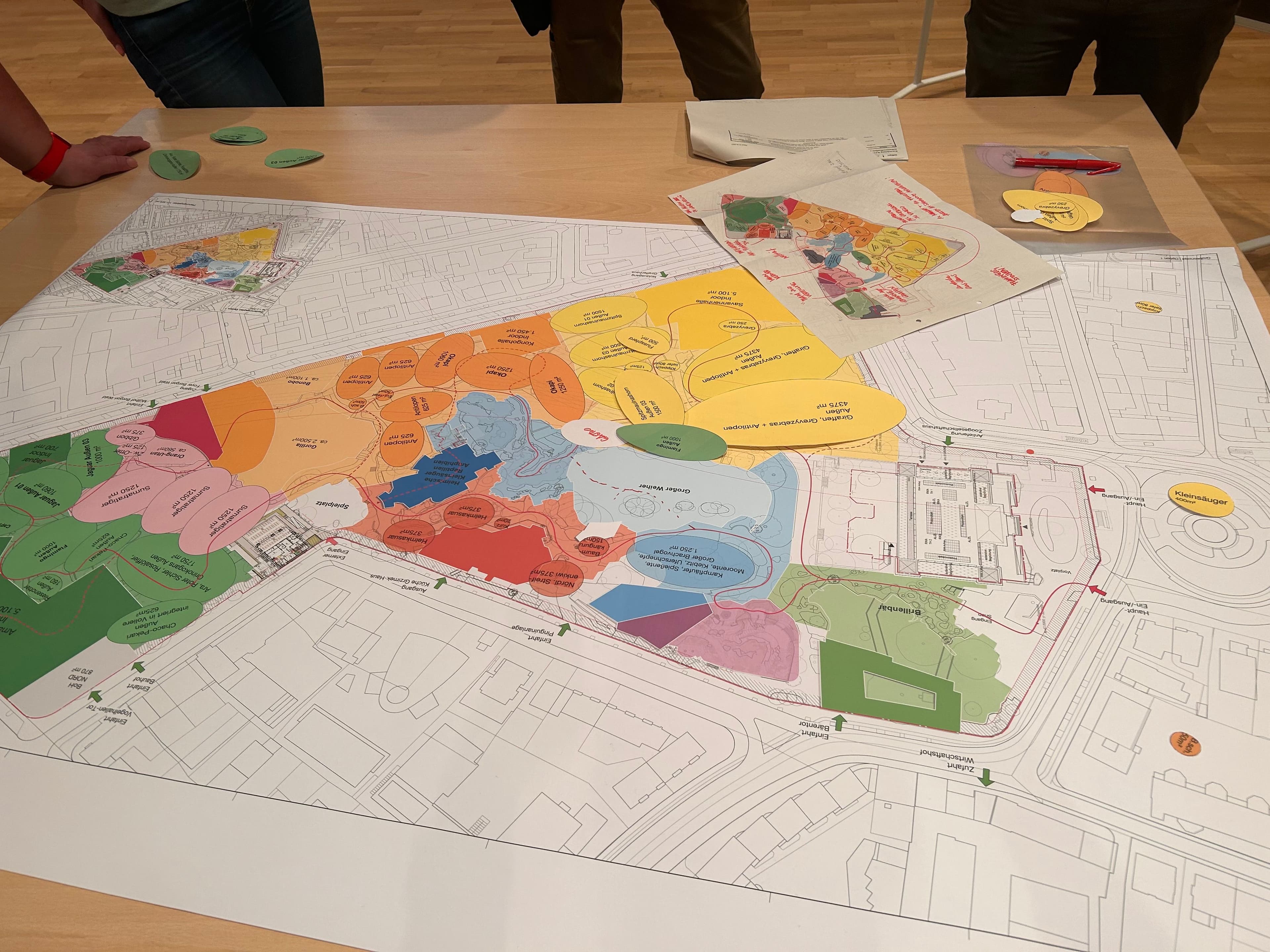 ©Zoo Frankfurt
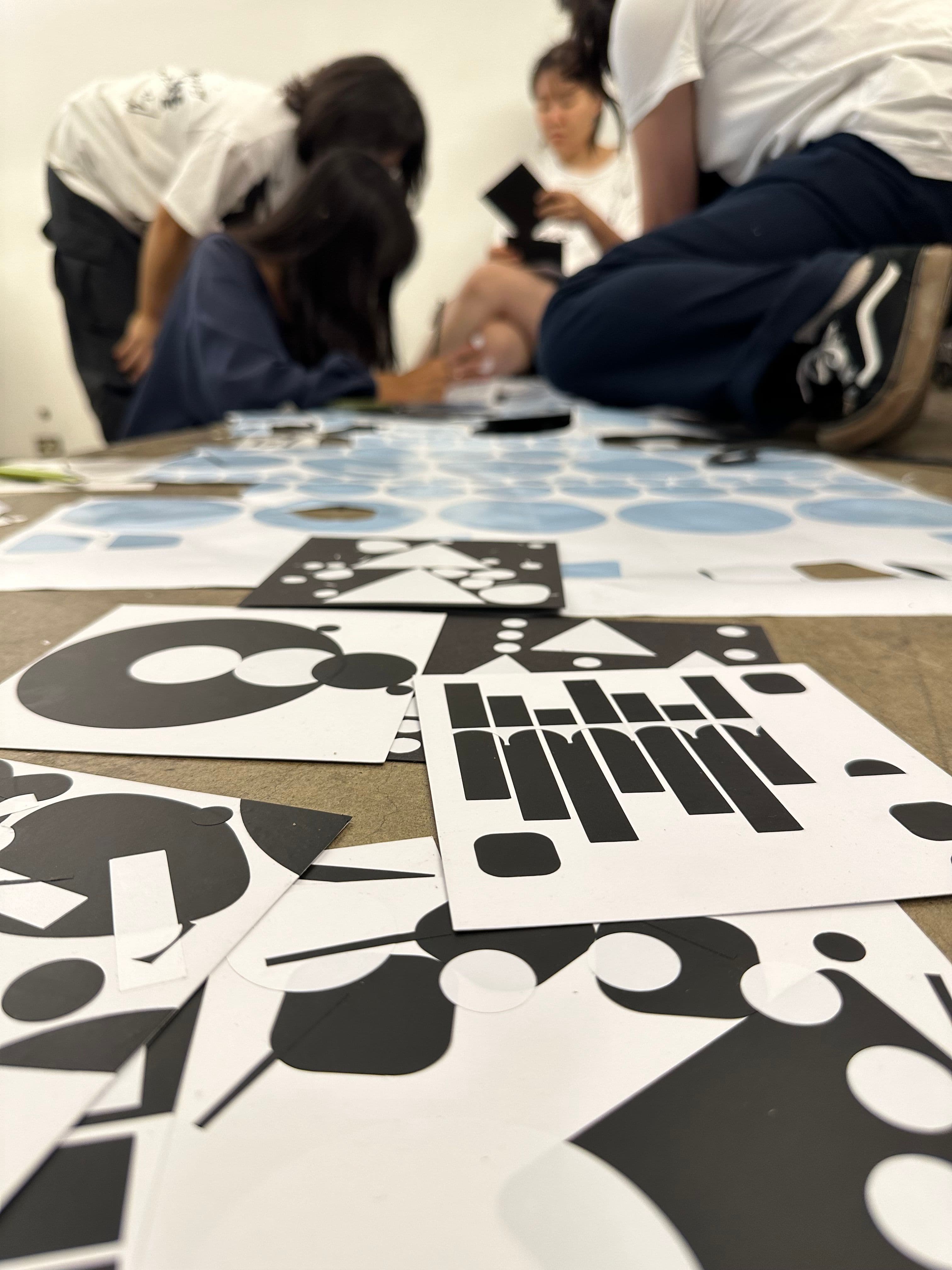 ©Space for Visual Research
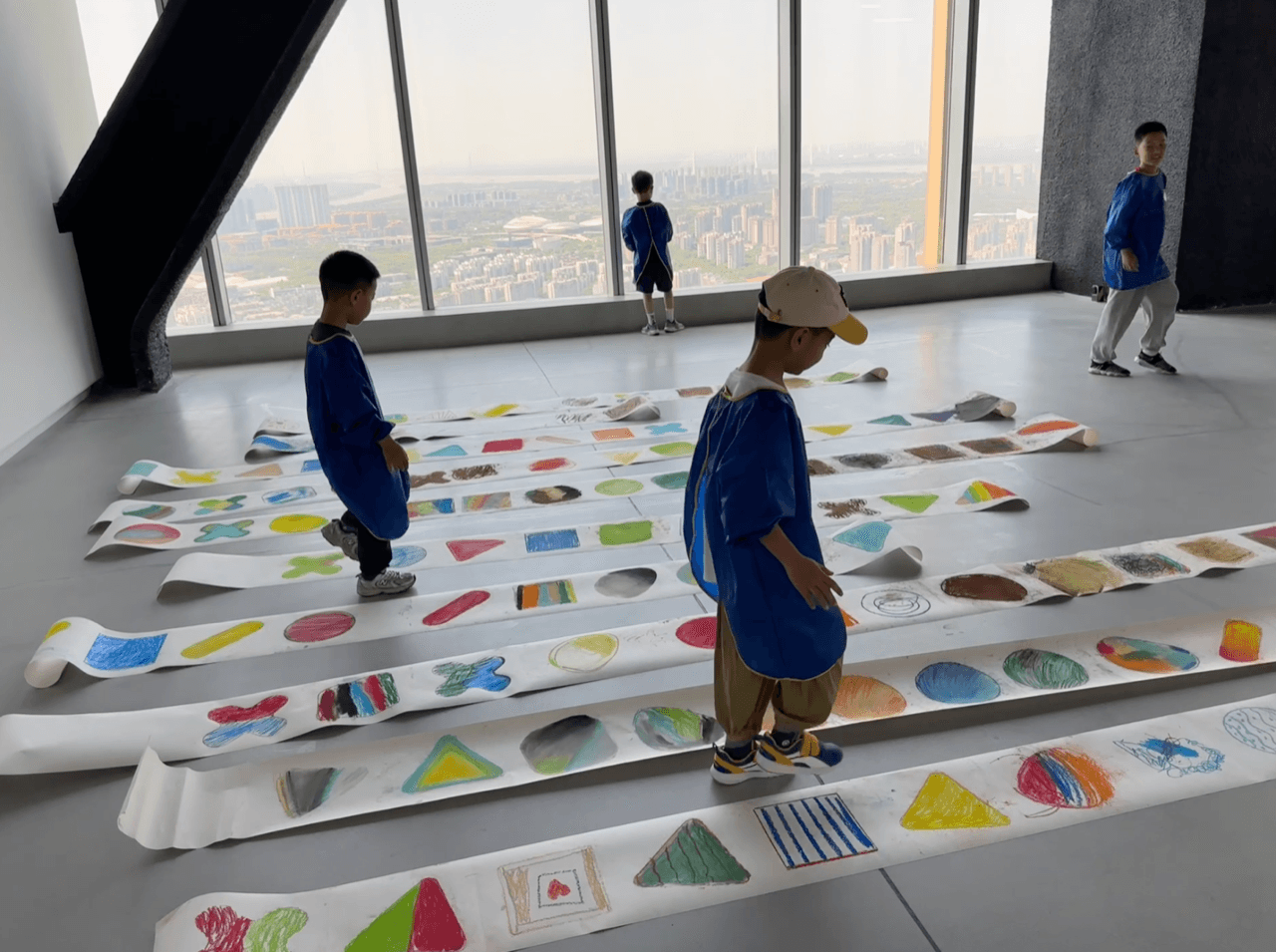 ©Filmstill: Nanjing Children's Workshop, Nanjing, China, 2023
 ©Green D
 ©WDC-Campus©WDC Campus
 ©WDC Campus
 ©International Gender Design Network©WDC-Campus
 ©Hochschule RheinMain
 ©Institut für öko-soziale Forschung
 ©TUQTULI
 ©WDC Campus
.jpg&w=3840&q=75) ©Chalin Hüge, Hendrik van Amstel
©Chalin Hüge, Hendrik van Amstel