 ©Julia Krohmer
HumanNature
Neue Stadtnatur: Mehr Mut zur Wildnis – Spontanvegetation als Ressource der klimaresilienten Stadt
Club Real, Frankfurt University of Applied Science, Senckenberg Gesellschaft
...
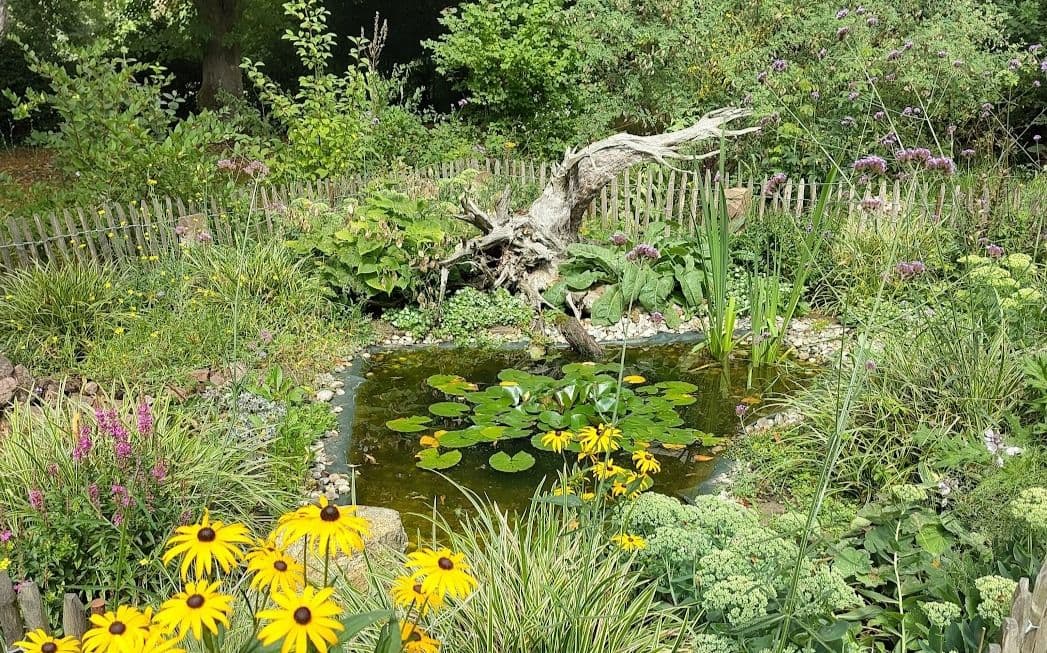
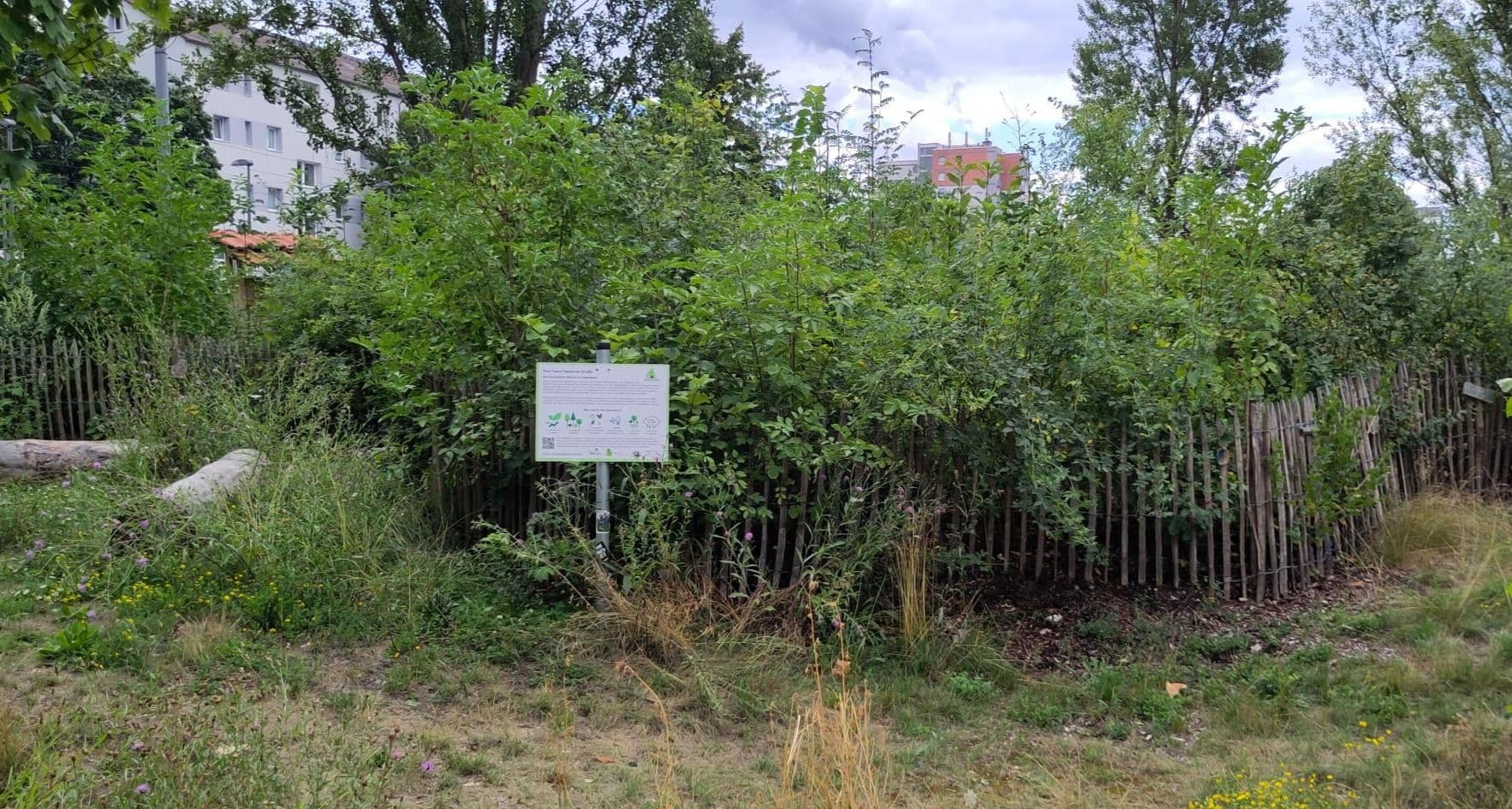
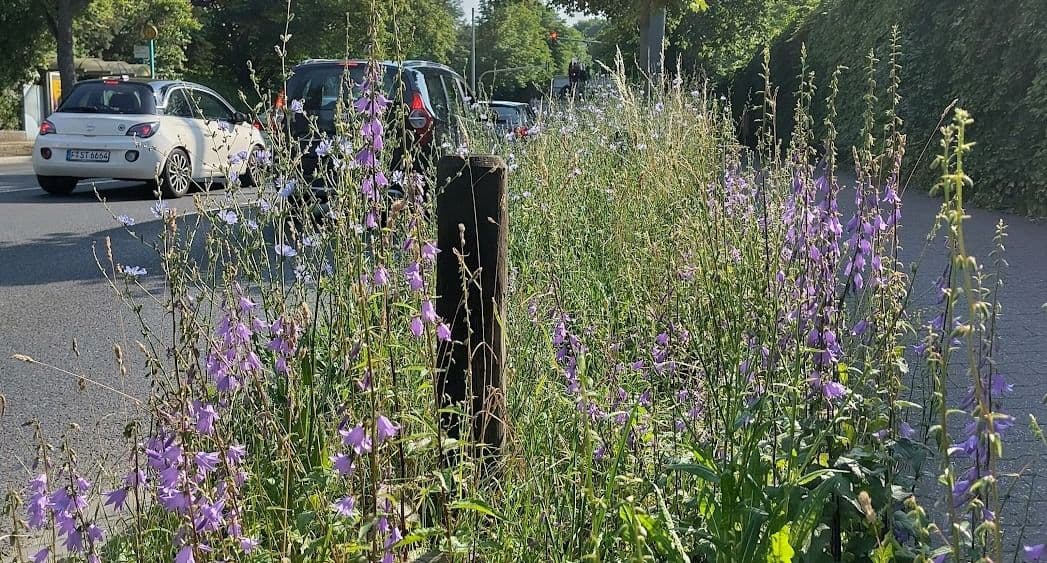
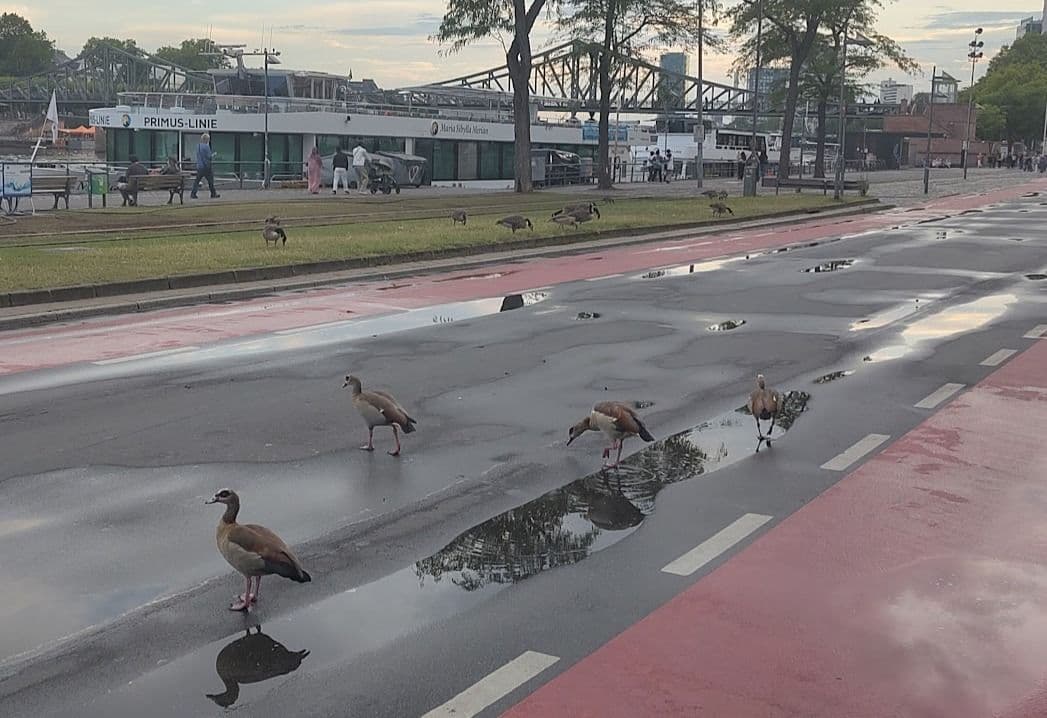
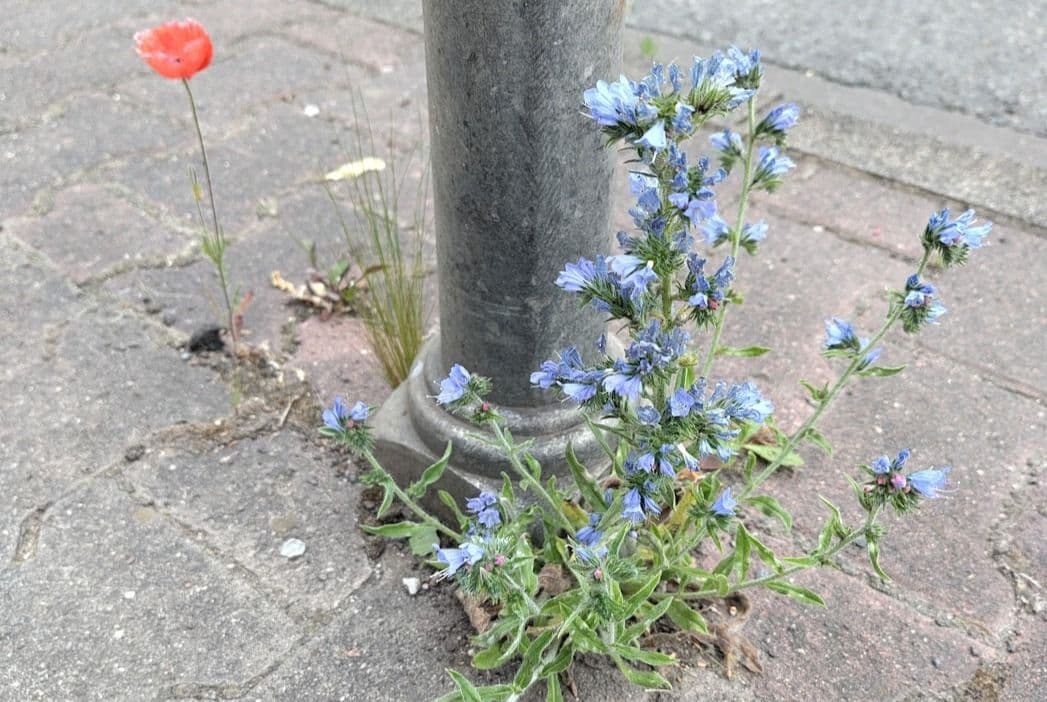
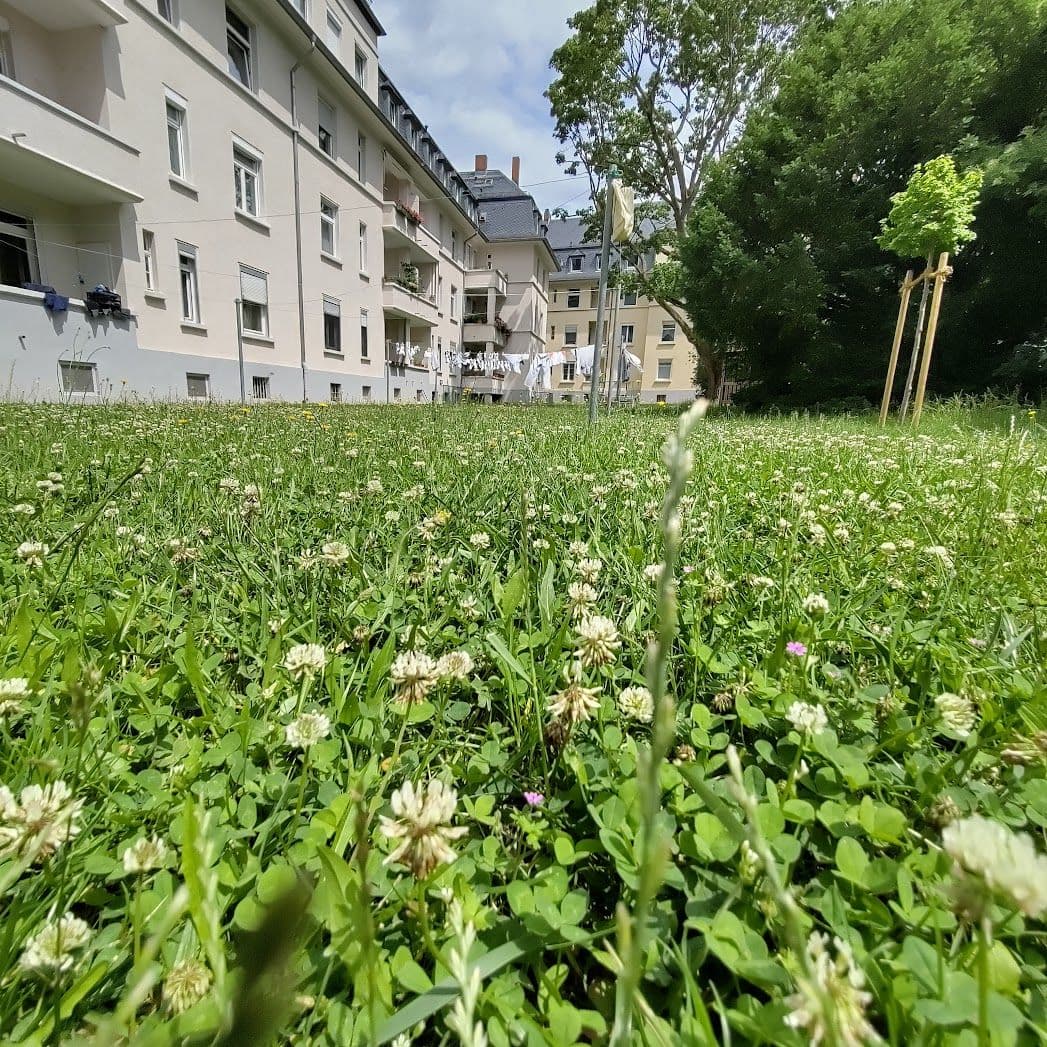
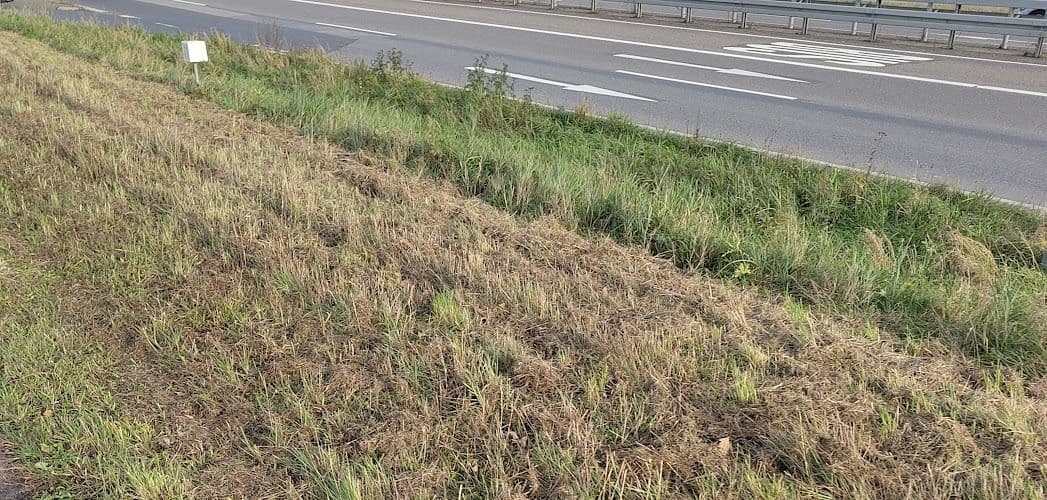
Climate change poses enormous challenges for cities: heat, drought, and extreme weather events are fundamentally altering urban living conditions. At the same time, a form of urban nature that is not always welcomed by everyone is thriving—one that develops outside traditional design concepts: wild growth on vacant lots, “weeds” along paths, spontaneous greenery.
This lecture advocates a change of perspective, viewing this “new urban nature” not as a problem but as an opportunity. Drawing on research findings and practical examples, it will show the ecological functions of spontaneously growing vegetation, how it contributes to urban cooling, water retention, and biodiversity, and why it is particularly adaptable to climatic changes.
Questions of acceptance, maintenance, and planning will also be discussed: How much control does urban nature need—and how much openness? And how can urban societies, through thoughtful design, develop acceptance for these unfamiliar forms of nature, which many still reflexively perceive as neglect? The lecture invites participants to reassess urban green spaces and to recognise wild growth as an opportunity for sustainable city development.
Participation is free of charge.
The lecture will be held in German. Online participation is also possible via Zoom:
Participation link: Meeting ID: 619 5136 5165, Access code: 008950
Adress: Robert-Mayer-Straße 2, 60325 Frankfurt am Main, green lecture hall
Landscape architect and vegetation ecologist Norbert Kühn has led the Department of Vegetation Technology and Plant Use at TU Berlin since 2003. He researches, among other things, how cities can develop a new approach to spontaneous vegetation, particularly in the face of climate change. He advocates recognising that new ecosystems are emerging, which help us understand urban transformation and enable nature-based solutions for the cities of the future.
Related Events

 ©Julia Krohmer