DAM – Deutsches Architekturmuseum Frankfurt
The DAM stages changing exhibitions devoted to national and international architecture and urban planning themes. As a discussion center for current questions it organizes a range of symposiums and workshops, issues numerous publications, and is represented on national and international juries. Furthermore the DAM represents an extraordinary place of learning, in which children, young people and adults can discover the world of architecture in a playful, creative way, and can take advantage of various design possibilities.
With temporary and artistic interventions in the city center, the so-called “DAM real-world laboratories” explore the hidden potential of public spaces. Together with city administrators, politicians, universities, cultural institutions, and civil society initiatives such as Making Frankfurt, the German Architecture Museum (DAM) is testing solutions in urban spaces for improving the quality of life and creating a climate-adapted, social city.
From projects such as “Wohnzimmer Hauptwache” and “Sommer am Main” to “Die Lange Bank,” “4x4 Raum für Neues,” and “Open Walls,” to the programs “Jugend im Stadtraum,” the “Lampionfesten,” and the fall academy “City, Care Commons.” Since 2021, experimental approaches have been at the center of an interdisciplinary and practice-oriented debate on the future of the city.
Particular attention is being paid to so-called “consumption-free urban spaces,” which offer a high quality of life without the pressure to buy. They integrate a wide range of play, sports, cultural, and recreational activities and develop transformative impulses for new perspectives on public places.
Deutsches Architekturmuseum (DAM), the very first architecture museum in Germany, opened in 1984.The architecture of the museum building, which is located on Museumsufer in Frankfurt, is the work of the renowned German architect Oswald Mathias Ungers. In the historic Gründerzeit villa an abstract “house in a house” was incorporated, which highlights architecture and its original architectural design means.
The DAM’s internationally oriented architectural collection is a veritable treasure trove, which today comprises some 200,000 plans and sketches, 35,000 photographs, 1,300 models, estates from 60 contributors, both living and deceased, as well as countless pieces of furniture.
More than 30,000 publications on architectural history from 1800 to the present day can be found in the museum library. Reference texts such as lexicons, manuals, bibliographies, biographical compilations and topographically oriented architectural guides form the core of the library’s collection.
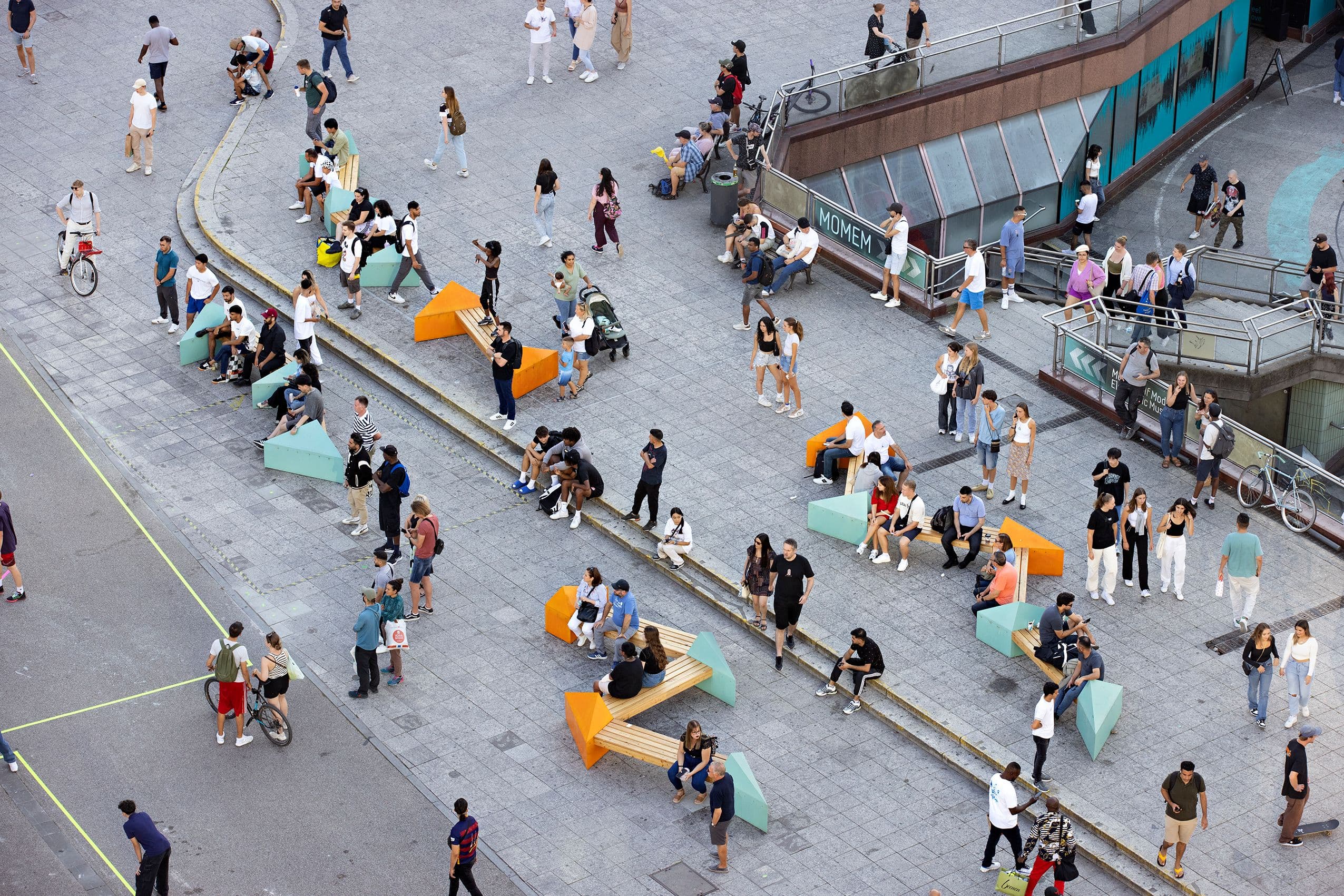 ©Felix Krumbholz
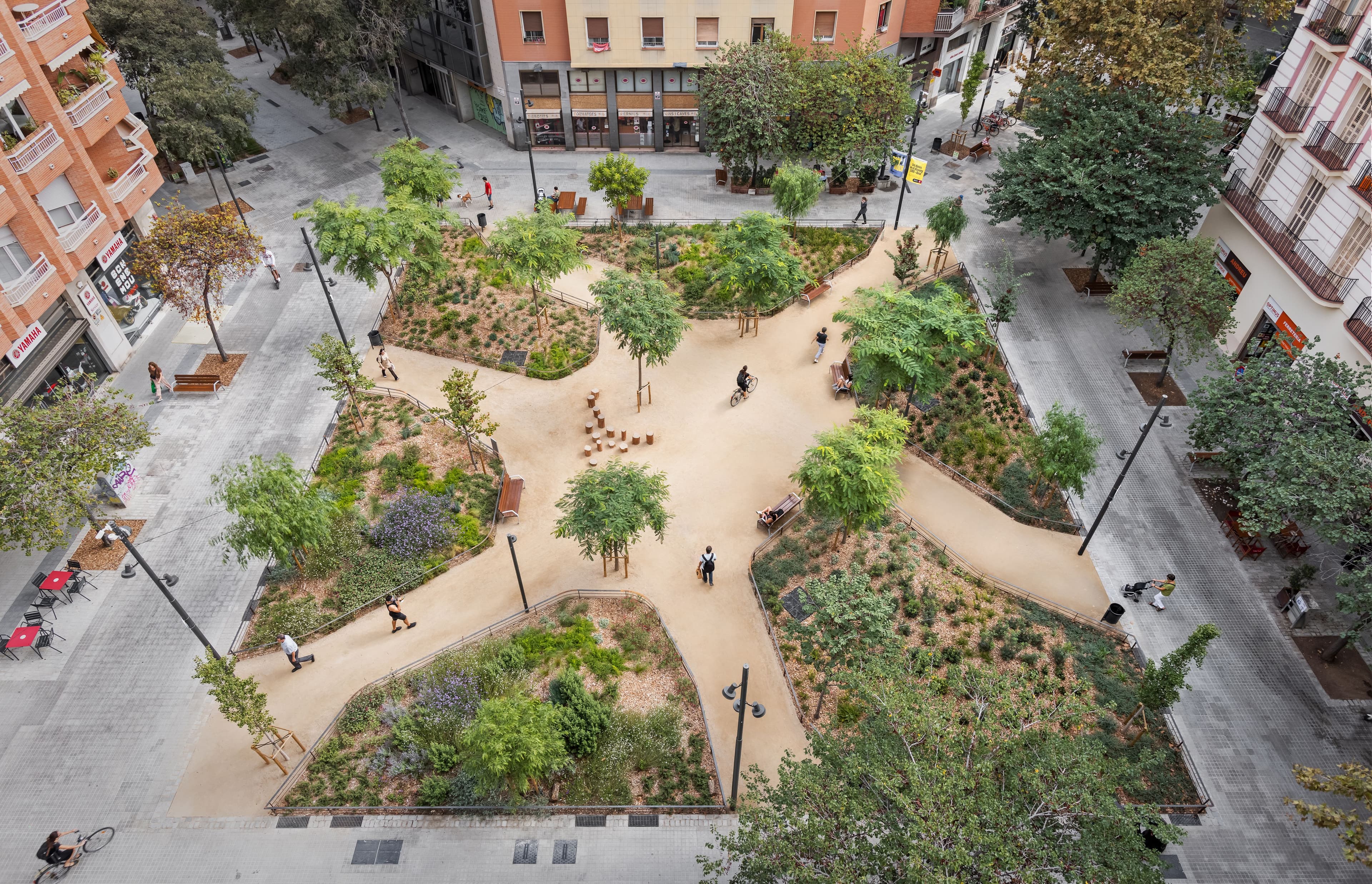 ©Foto: Pol Viladoms
February 2027
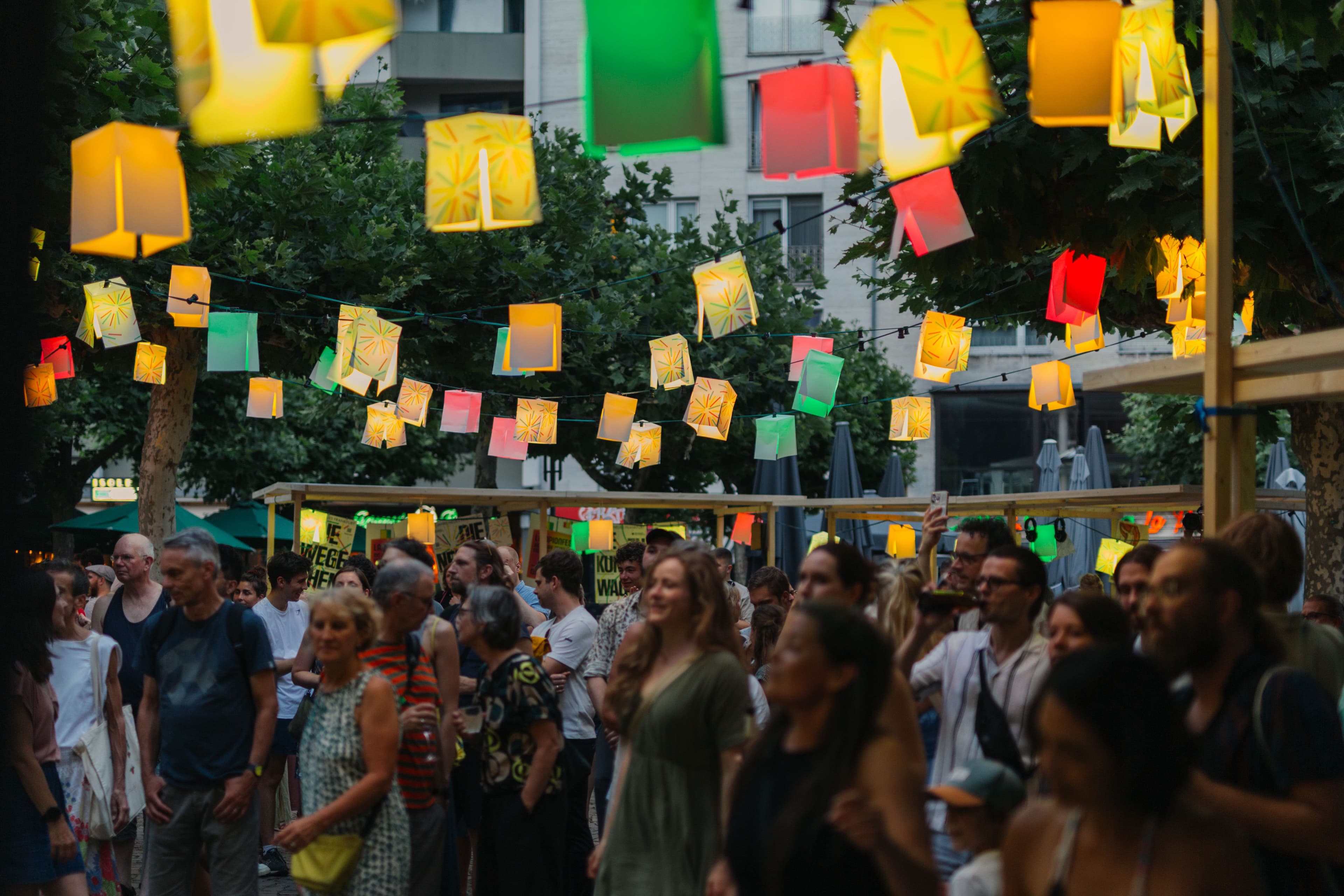 ©Ben Kuhlmann
September 2026
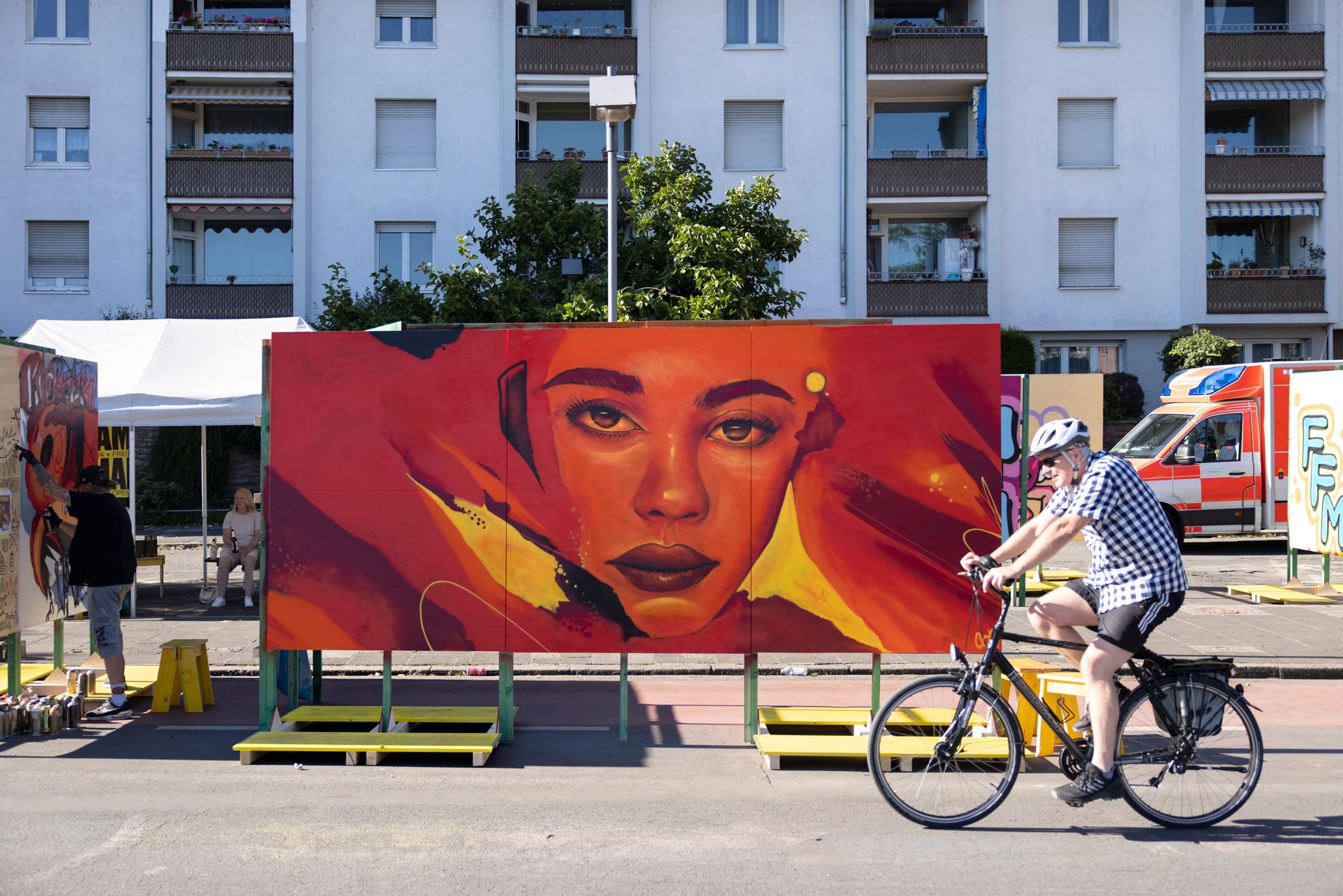 ©mh-eventproduction
 ©Ben Kuhlmann