Stories and Hopes of the Arrivals to Rhine-Main Archipelago
Leseraum: Open Veins of Latin America
de_colonialanguage, Manca Arnuš, und Ani Menua
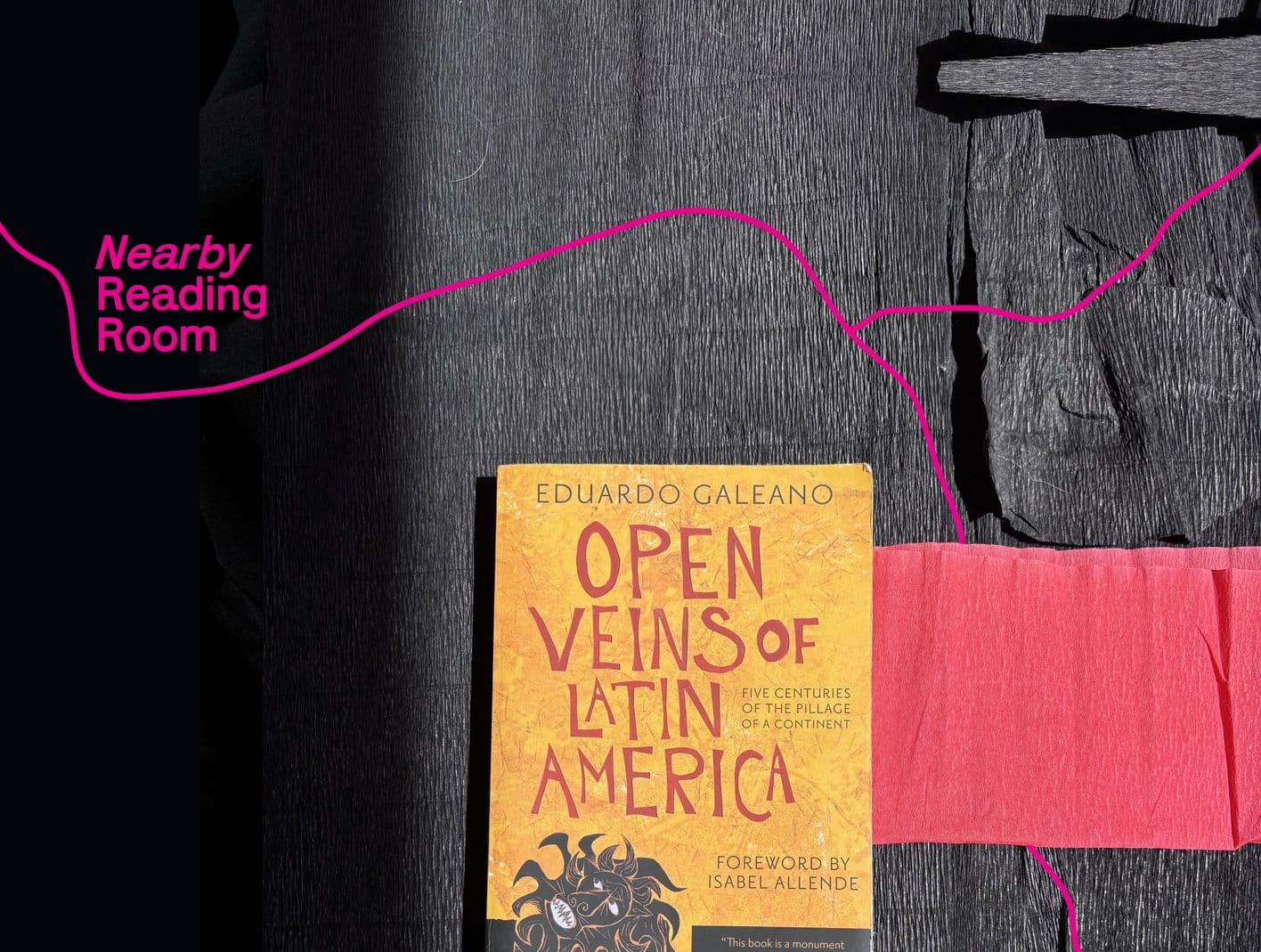
This discussion will revolve around Galeano's Open Veins of Latin America: Five Centuries of a Pillage of a Continent (1971). This is a counter-narrative: a counter-epistemology and counter-history, retold by a bleeding continent subjected to the Western imperial violence since the 15th century. In 1961, Frantz Fanon encouraged us to learn from the countries of South America to achieve decolonization of Africa:
"Latin America, made up of new independent countries which sit at the United Nations and raise the wind there, ought to be an object lesson for Africa. These former colonies since their liberation have suffered the brazenfaced rule of Western capitalism in terror and destitution. [...] We know today that this fascism at high interest which has triumphed for half a century in Latin America is the dialectic result of states which were semi-colonial during the period of independence."
Looted, robbed, exploited, deformed, enslaved, militarised, and internally exiled, bleeding Latin America is not a document of the past. Its bleeding veins are the history of the present.
Galeano was a Uruguayan writer and journalist. In his writing, blending the lyrical and the political, he outspokenly condemned dictatorships, imperialistic exploitations and injustices in Latin America.
The reading format remains the same: always nearby and usually online. The frame is open:
- each reads the text independently, partial readings are possible
- each brings to the meeting an association (nearbyness) with the text we have read. It can be anything: poetry, image, video, manifesto, toy, object, your body, anmeldung ... anything
- we are discussing collectively our nearbyness-associations.
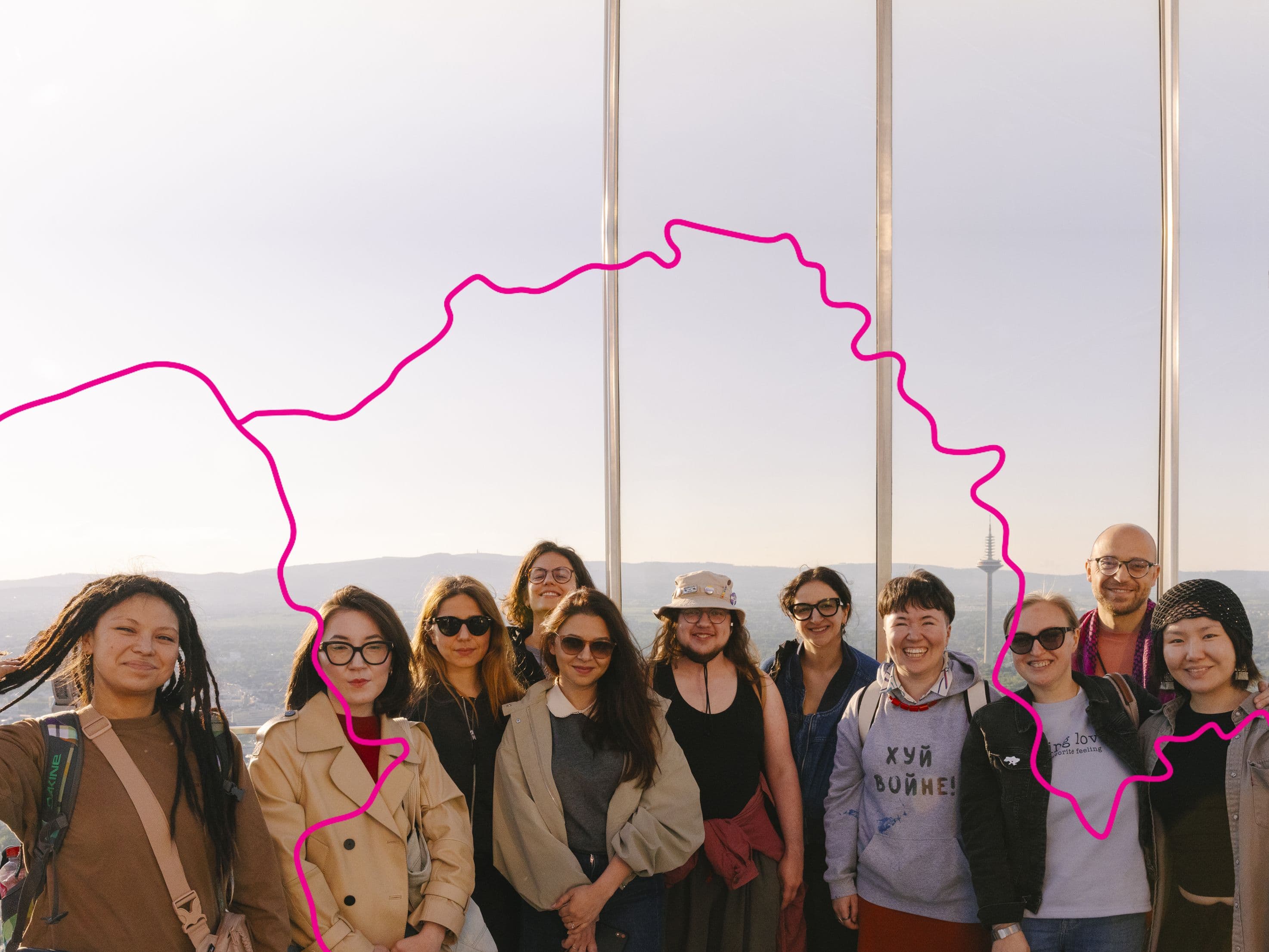
- The online reading sessions build on the outcomes of the workshops “Stories and Hopes of the Arrivals to Rhine-Main Archipelago” (May 2026) and continue within the framework of the program “Reading Room: The Metamorphosis of Arrivals and Hosts.”
Over the following months, we will read and discuss five texts that move through the pluriverse of migrations, exiles, diasporas, displacement, memory, belonging, homelands, (destroyed) environments, embodied knowledge, and sensory memories—with a particular focus on food as a carrier of memory and storytelling.
Reading Schedule
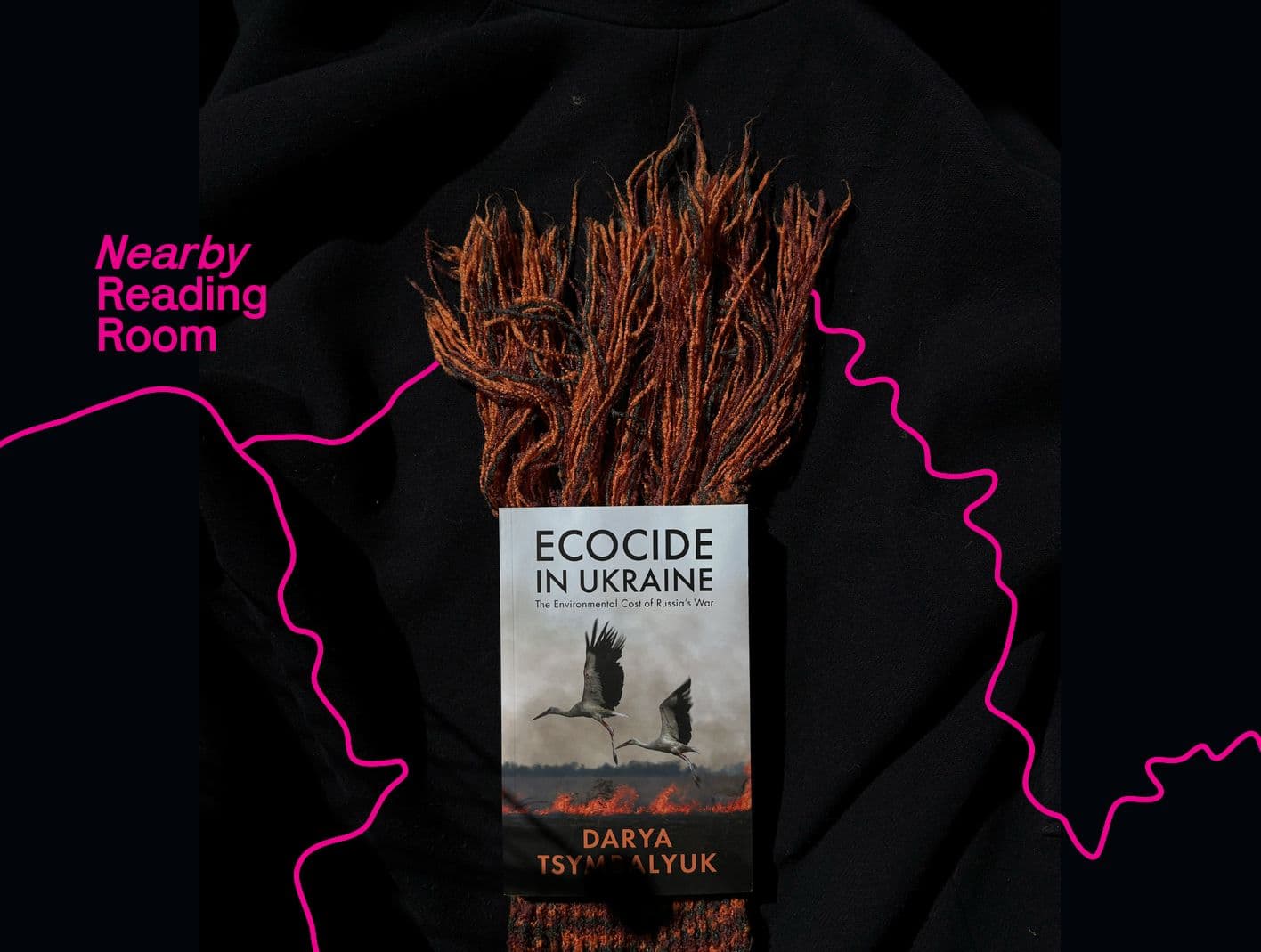
20 June 2026: Ecocide in Ukraine: The Ecological Costs of Russia’s War
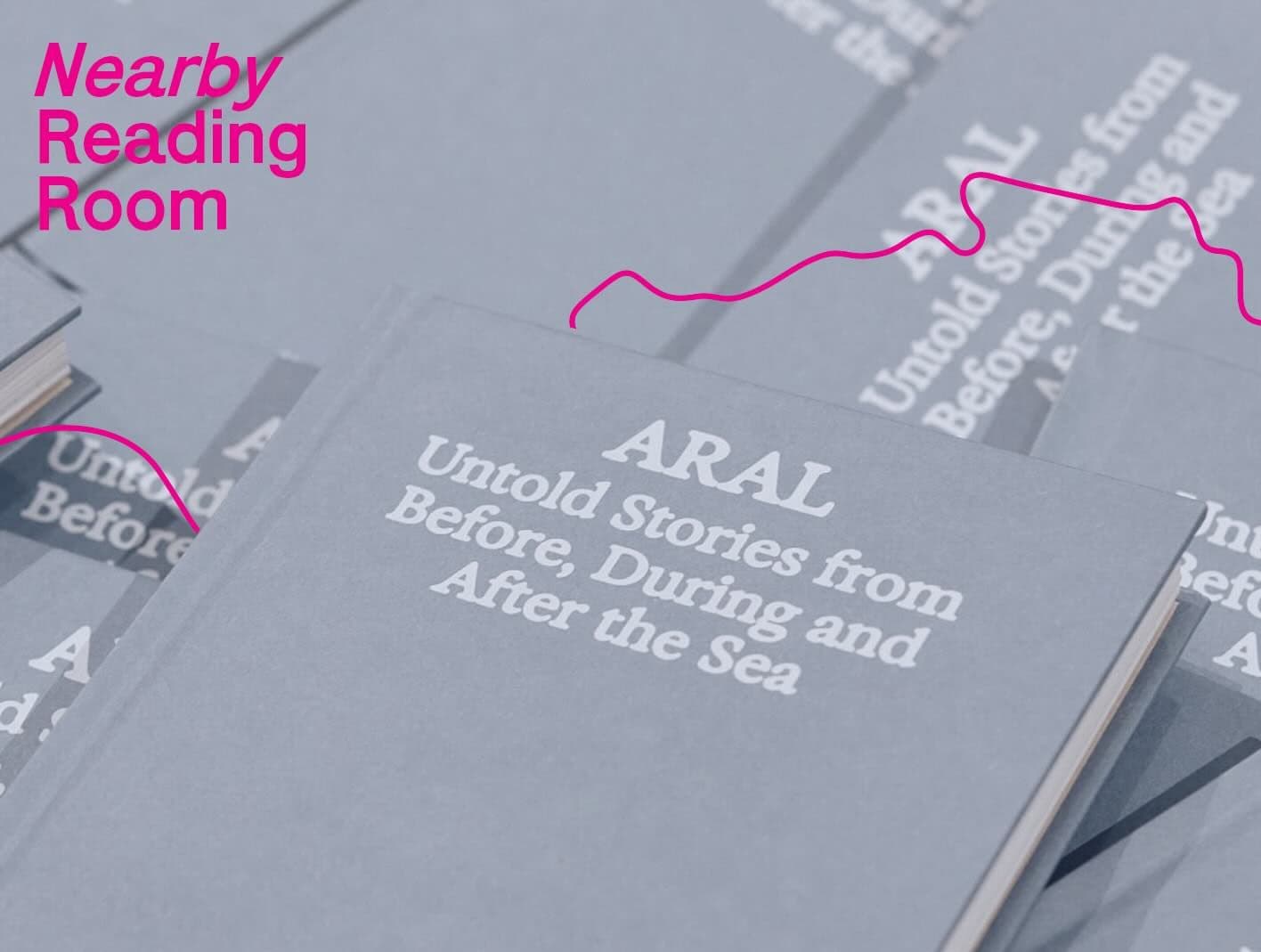
25 July 2026: Aral: Untold Stories Before, During, and After the Sea
15 August 2026: Food, Culture, and Cultural Heritage
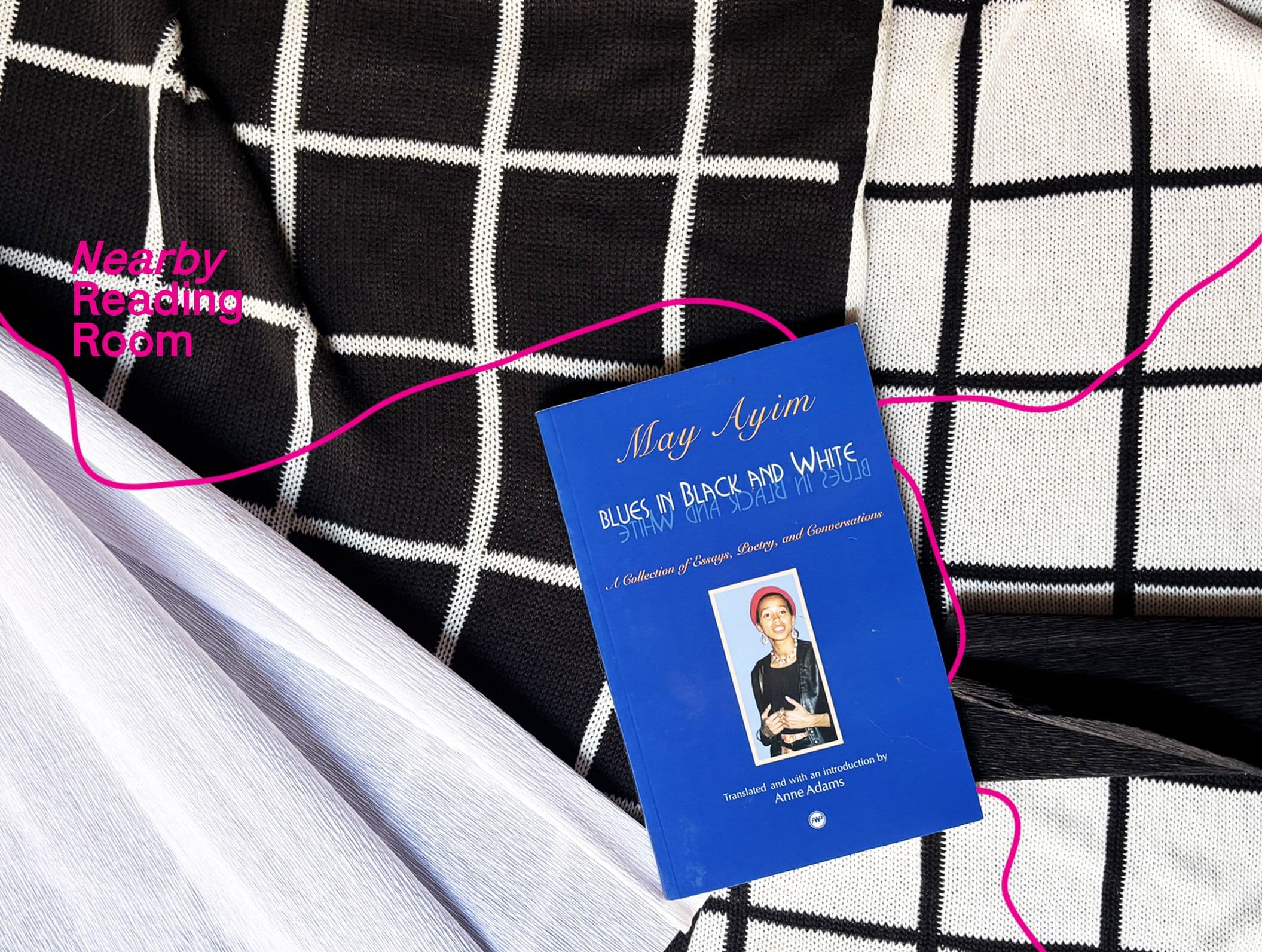
5 September 2026: Open Veins of Latin America
3 October 2026: TBA
The readings and the discussions that follow will take place online via Zoom.
To register and receive the Zoom access link, please send a short message to: de.colonialanguage@gmail.com
The de_colonialanguage collective and Ani Menua (X3 PostOst Agency, PostOstCafe) bring together expertise in the fields of art, activism, and research within the context of migration processes and alternative knowledge production. They conduct transcultural work with diaspora communities and develop formats that combine public space, collective, and artistic practice. Organization of Online-Readings: Manca Arnuš.
Additionally funded by the Bundeszentrale für politische Bildung (bpb).
Related Events
.jpg&w=3840&q=75)