Too Hot – Heiße Städte, neue Wege
Stadtnatur für mehr Lebensqualität und Biodiversität & Bausteine einer klimaresilienten Stadtentwicklung
Deutsches Architekturmuseum
...
Mehr als nur Grün. Stadtnatur für mehr Lebensqualität und Biodiversität
Dr. Julia Krohmer, Geoökologin, Senckenberg Gesellschaft für Naturforschung, Frankfurt am Main
formfollowsclimate – Bausteine einer klimaresilienten Stadtentwicklung
Tobias Baldauf, Landschaftsarchitekt und Stadtplaner, bauchplan ).( Landschaftsarchitektur und Stadtplanung PartmbB, München
Before the event, a guided tour of the exhibition ‘Too Hot – Hot Cities, New Paths’ will take place at 6 pm.
Participation is included in the museum admission price.
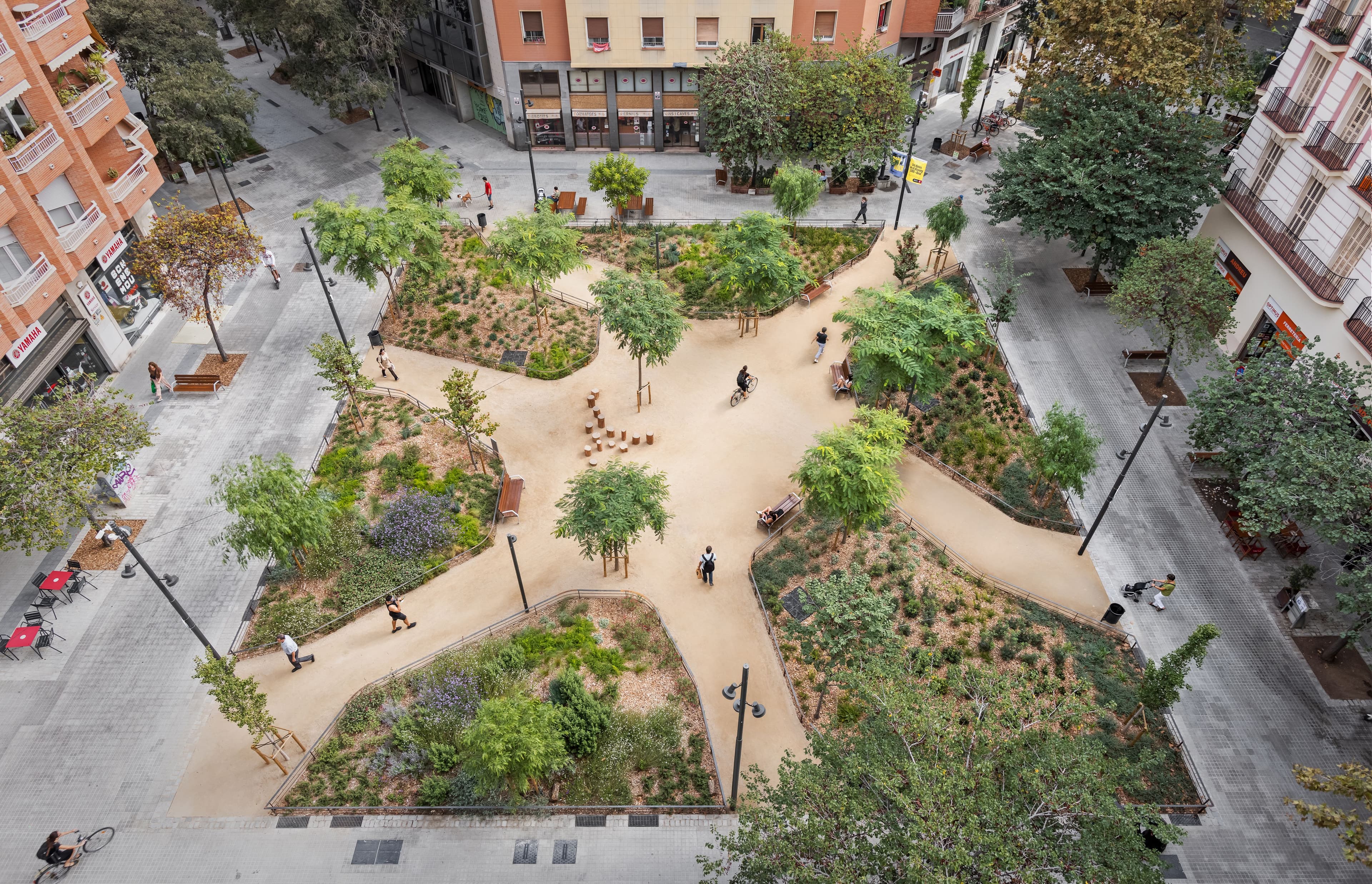
As part of the exhibition ‘Too Hot – Hot Cities, New Approaches’ at the German Architecture Museum, bdla Hessen e.V. is organising an accompanying series of lectures focusing on climate-adapted open space planning, in line with the bdla’s 2026 campaign theme ‘Landscape Architecture – Climate Change – Health’. In light of increasing heat stress, longer periods of drought, heavy rainfall events and water scarcity, it is becoming clear what a key role open spaces play in the resilience of our cities. Urban open spaces are central levers for climate protection and climate adaptation: they influence the microclimate, the water cycle, biodiversity and, not least, people’s health and quality of life. Drawing on European examples from five climate zones – ranging from small towns to major cities – the exhibition ‘Too Hot’ demonstrates how innovative open space strategies, built projects, planning concepts and civil society initiatives are responding to the challenges of the climate crisis.
This lecture series explores these approaches in greater depth, as presented by the participating landscape architects, and complements them with interdisciplinary perspectives from the fields of climate change and health. The lecture series places particular emphasis on the role of landscape architecture as a creative and strategic discipline. It highlights how open-space planning can function as an integral part of socially just, climate-adapted urban development – and the responsibilities and opportunities this presents for landscape architecture.
Related Events