 ©Andrea Daltoe
IU Internationale Hochschule
Räume der Beteiligung
IU Internationale Hochschule, Studiengang Architektur
...
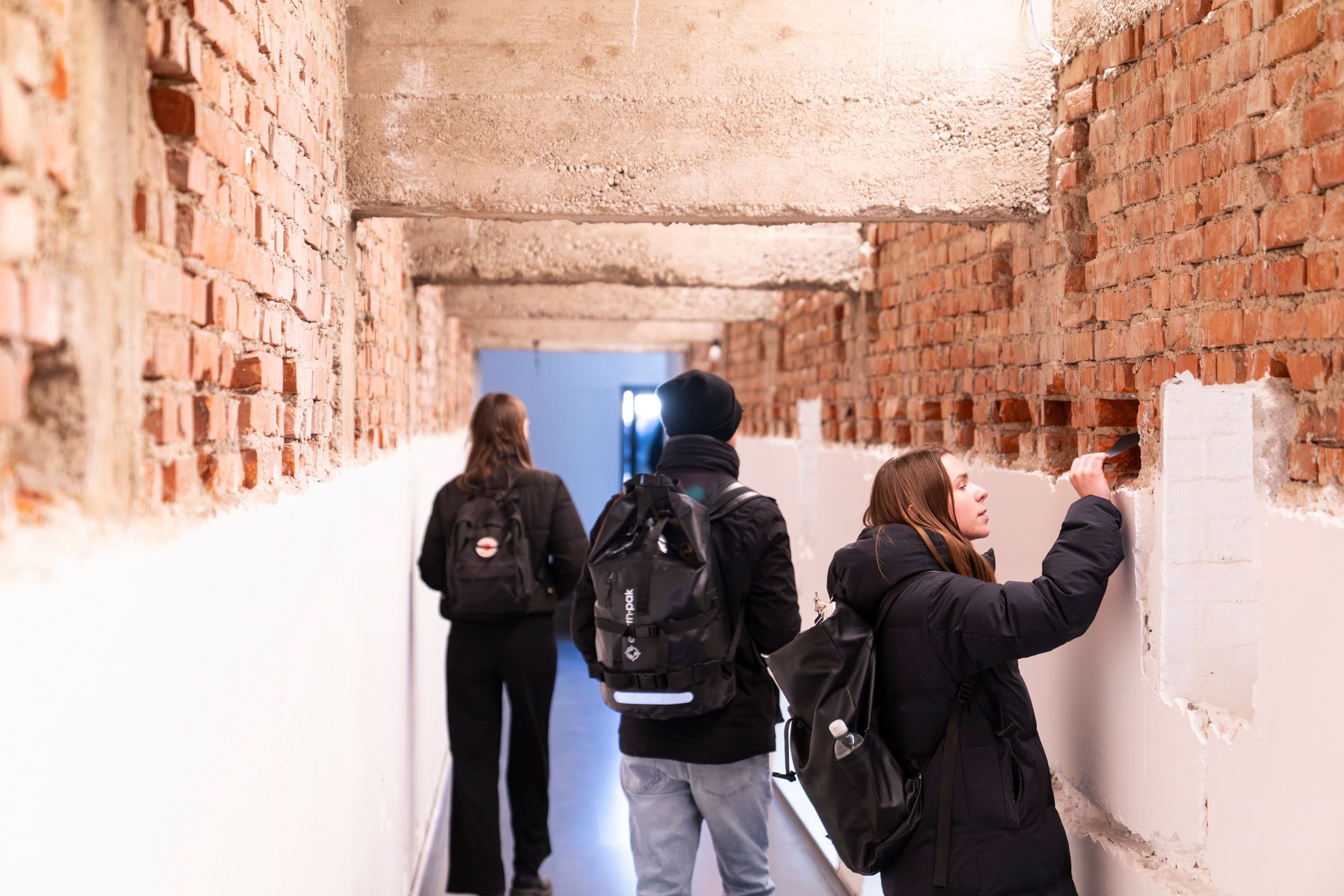
How can existing buildings and vacant urban spaces become active resources for a democratic city? The panel Räume der Beteiligung – Aneignung brings together actors from architecture, urban development, design, and civil society, and deliberately opens the discussion to the audience. It focuses on strategies of adaptive reuse, reprogramming, and the collective appropriation of space.
Based on concrete projects and experiences, vacancies are understood not as deficits but as spaces of possibility: as starting points for new uses, social infrastructures, and so-called third places that enable new forms of gathering beyond living and working. The discussion explores how such places emerge, who is involved, and what role design plays as a mediating practice.
The format is conceived as an interactive real-world lab: participants are actively engaged in the conversation, perspectives are shared, conflicts are made visible, and ideas are developed collectively. In line with the WDC 2026, design is understood as a tool to strengthen participation, share responsibility, and make transformation tangible.
The aim is to develop a shared understanding of how cooperative processes, experimental formats, and transdisciplinary collaboration can generate new narratives for working with the built environment—and how these can lead to impactful, livable, and democratically shaped spaces in the long term.
Prof. Dr.-Ing. Architektin Bettina-Maria Müller
Prof. Dipl.-Ing. Architekt Tobias Maisch
Related Events
©Andrea Daltoe