 ©Schader Stiftung
Schader-Stiftung
Schader-Festival 2026
Schader-Stiftung
...
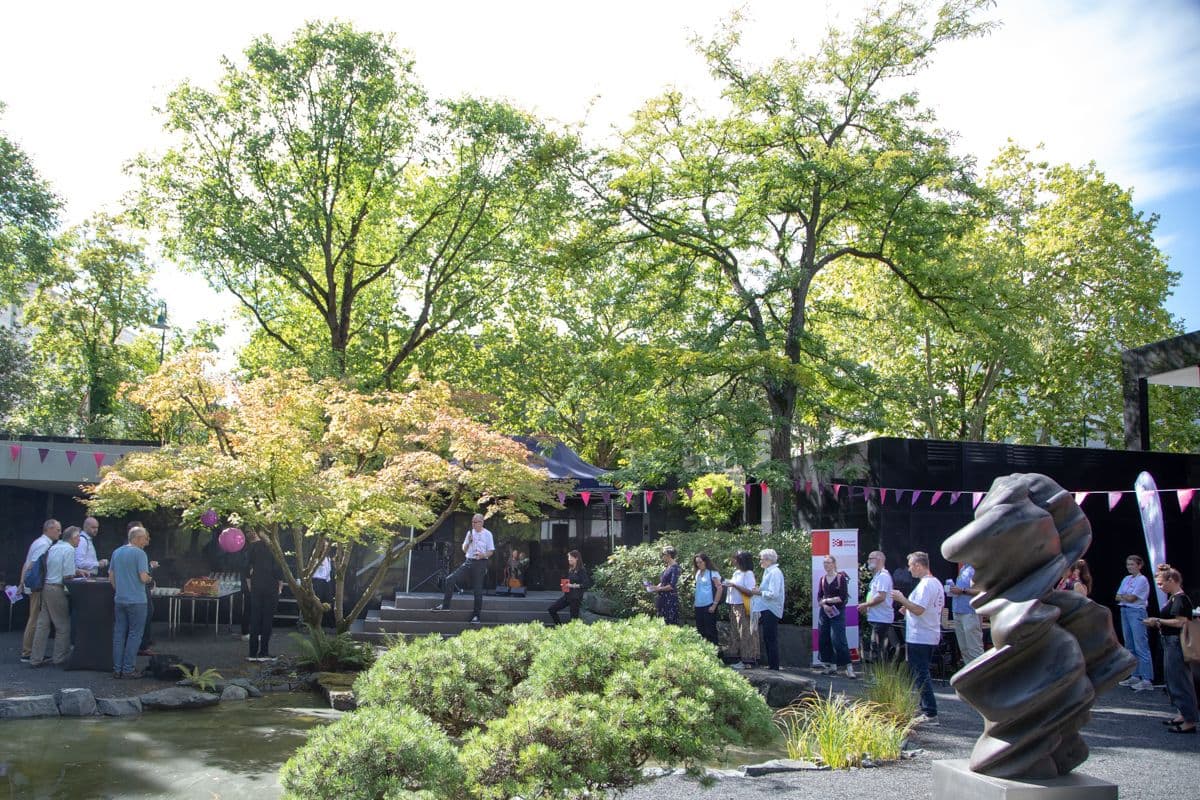
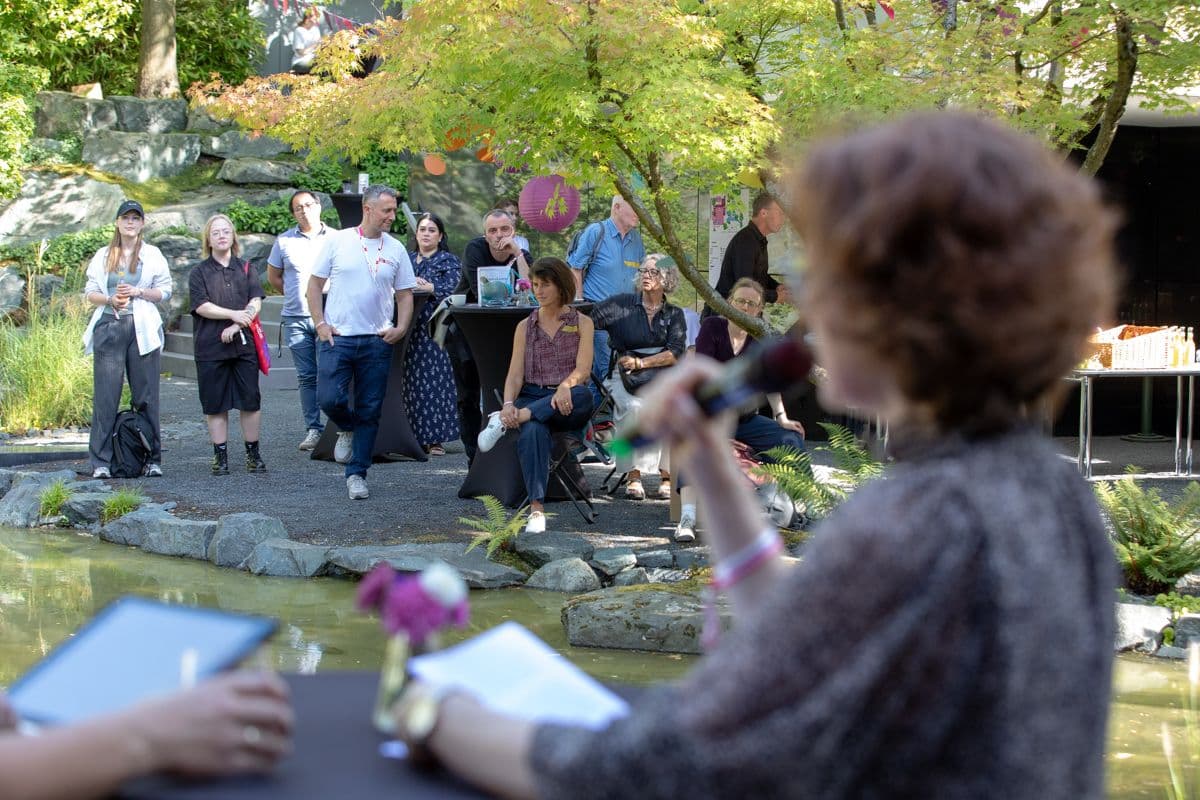
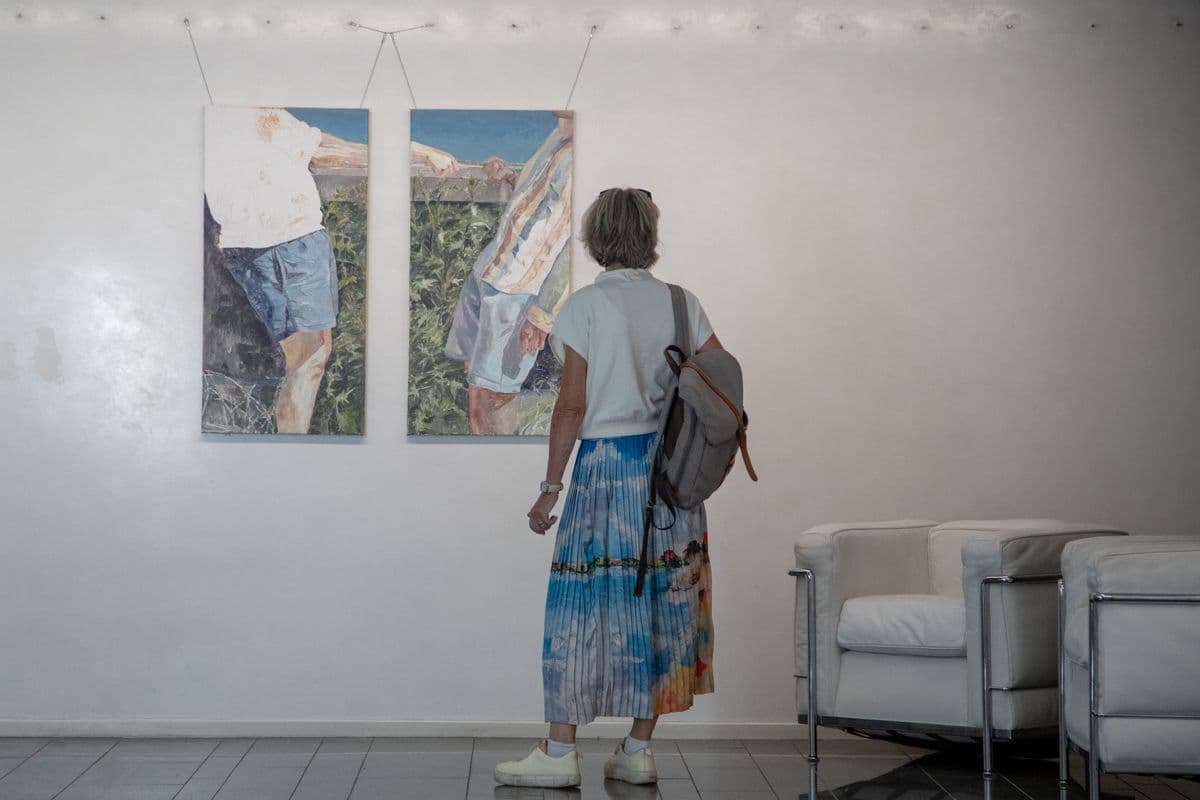
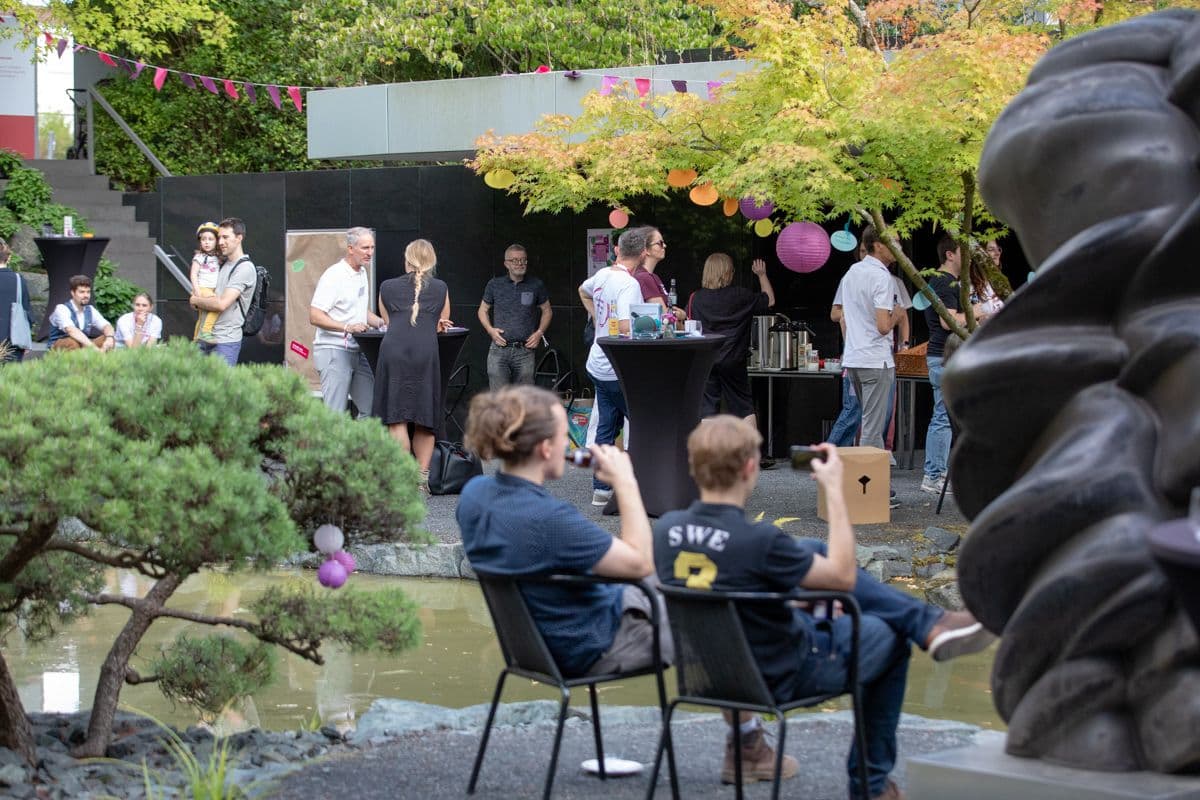
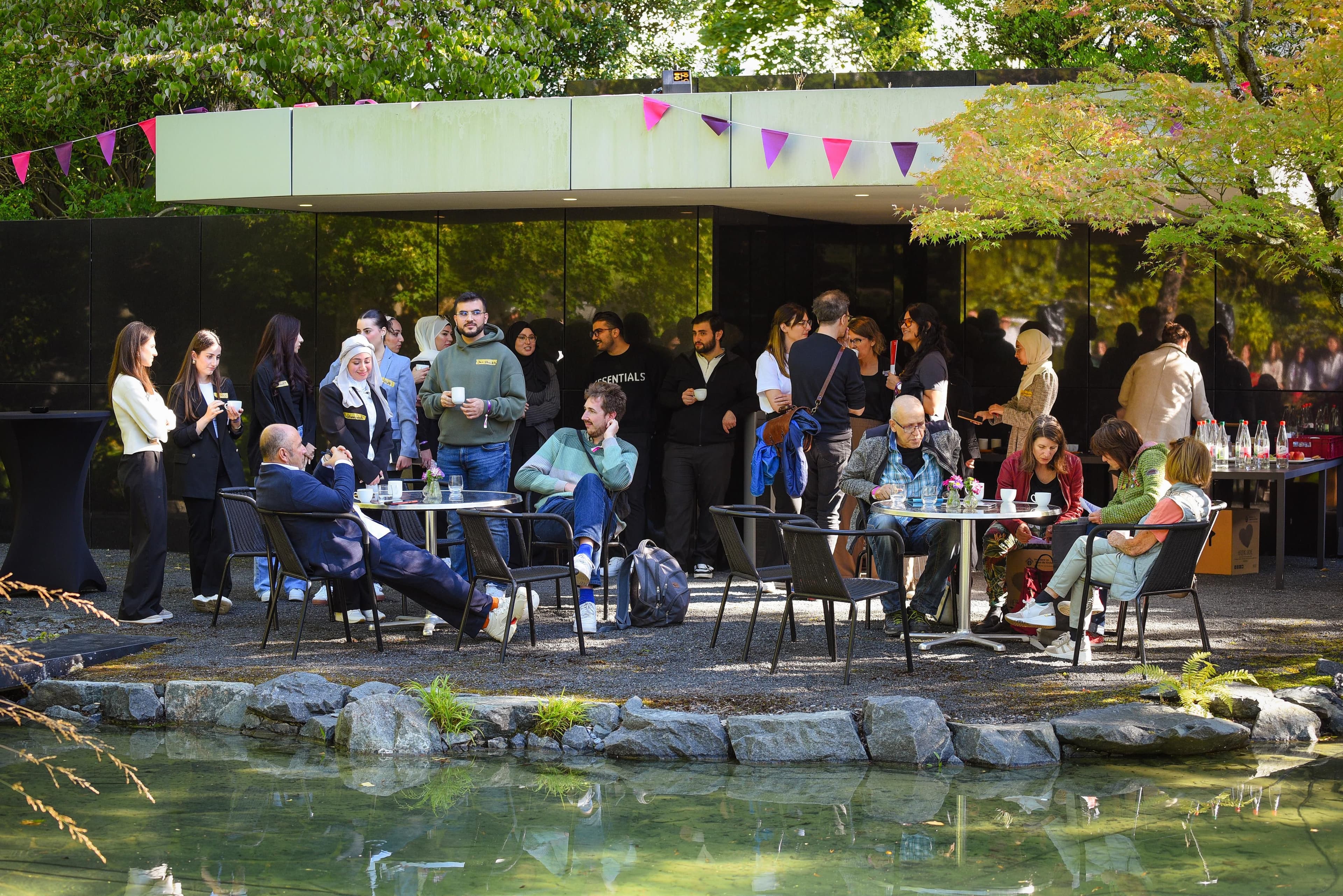
For one day, the Schader Campus transforms into a festival ground for extraordinary ideas, good conversations, and surprising moments that bridge theory and practice.
This time, everything revolves around the theme of living and shaping democracy: What can democracy look like today and tomorrow? How can we help shape, move, and bring it to life? And what ideas, visions, or experiments are needed so that democracy is not merely discussed, but experienced and strengthened? Through business games, workshops, and artistic and musical acts, we will explore these questions.
Once again, many exciting proposals have reached us via our Call for Ideas this year, which we are turning into a special programme for our festival! Together with WDC 2026, we are opening up space for new, innovative, and motivating perspectives on democracy.
Registration is open now!
Responsible Officer: Luise Spieker
Student Assistant: Emma Bastel
Programme
- Products of the Junge Akademie – Stand
At the Junge Akademie stand, the Machtturm (Tower of Power) and the Demokratiedeckel (Democracy Coasters) invite visitors to playfully discuss power, participation, and democratic processes. The projects make complex questions tangible and encourage participants to share their own experiences and perspectives. - Children Have Rights – Exhibition
How can children's rights be communicated in a vivid and engaging way? The Frankfurt Children's Office provides insights into the interactive travelling exhibition "Children Have Rights!", developed in collaboration with the Junges Museum Frankfurt. Diverse hands-on stations allow core contents of the UN Convention on the Rights of the Child to be experienced through play—for children as well as professionals, parents, and guardians. At the Schader Festival, visitors can discover and try out selected stations for themselves. The project team invites everyone to negotiate children's rights together, explore new perspectives, and creatively express their own ideas. - Democracy Collage – Interactive Project
Shaping democracy means bringing many small pieces into harmony—making it one gigantic collage! Yet achieving harmony is no simple task. Legal and normative frameworks aim to maintain order, whilst the people who form part of our democracy should be able to express their personalities freely. How can this be made tangible and visible on a small scale? Naturally, the artistic execution only works together. Come along and join in the pasting! We are creating a collage of democracy! - “FairTeile” (Fair Shares) – Exhibition
The top ten percent of Germans earn around 23 percent of total income, whilst the bottom two tenths combined earn just 9 percent. And inequality is growing. Is that fair? This exhibition does not aim to provide definitive answers, but rather to provoke thought: discover what people from various professions think about their income and fair distribution, and explore philosophical perspectives on justice. Tackle interactive tasks and find out: What do you consider fair? - The Forest Pulpit “Waldgrün” – Artwork
On the theme of the "Democratic Forest", artist Fredie Beckmans created various forest pulpits. According to the artist, they help adopting a different viewpoint to gain new insights. One of these forest pulpits is on display at the Schader Festival, complete with an invitation to listen. - (Lego) Bricks for the Future – Stand
How do we want to live in the future? Marking the 50th anniversary of the Bürgerstiftung Darmstadt, we are dedicating ourselves to key questions surrounding housing at the Schader Festival: How can affordable, sustainable, and liveable housing be created? What visions and utopias do we have for the city of tomorrow? Throughout the festival day, these ideas can be built and made visible at the Lego table. In a shared thinking space at 15:00, we will pick up on the emerging visions, bring different perspectives together, and discuss the future and potential of housing. - Lisa Freieck
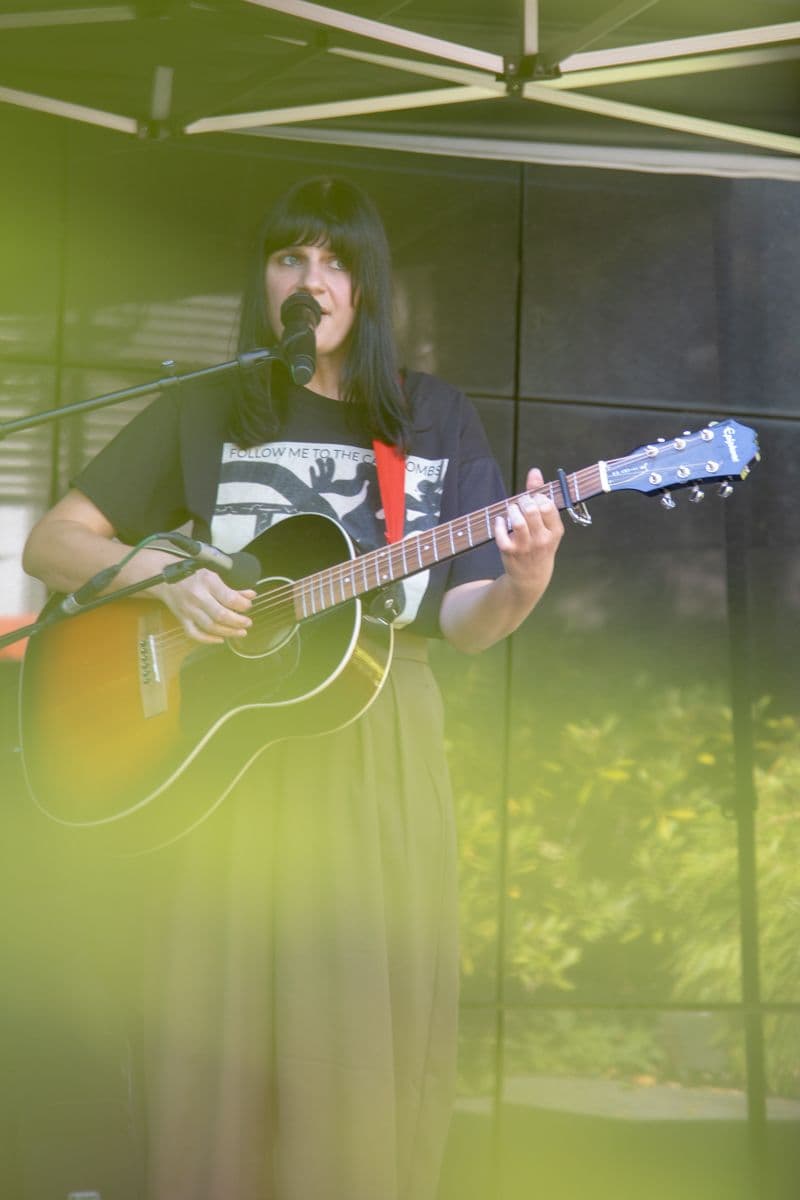
Lisa Freieck is a Darmstadt-based songwriter and multi-instrumentalist. As a founding member of the artist collective Knertz, she has helped shape the music scene of Darmstadt's anti-commercial DIY culture—and partly well beyond—since 2008 with her minimalist to experimental lo-fi indie. Carried live primarily by guitar and vocals, her songs tell of social norms and processes of isolation, interpersonal encounters and missteps, and a questioning confrontation with self-perpetuating, exclusive structures of singular truth. - Experiencing Democracy: Strengthening Connection and Confidence
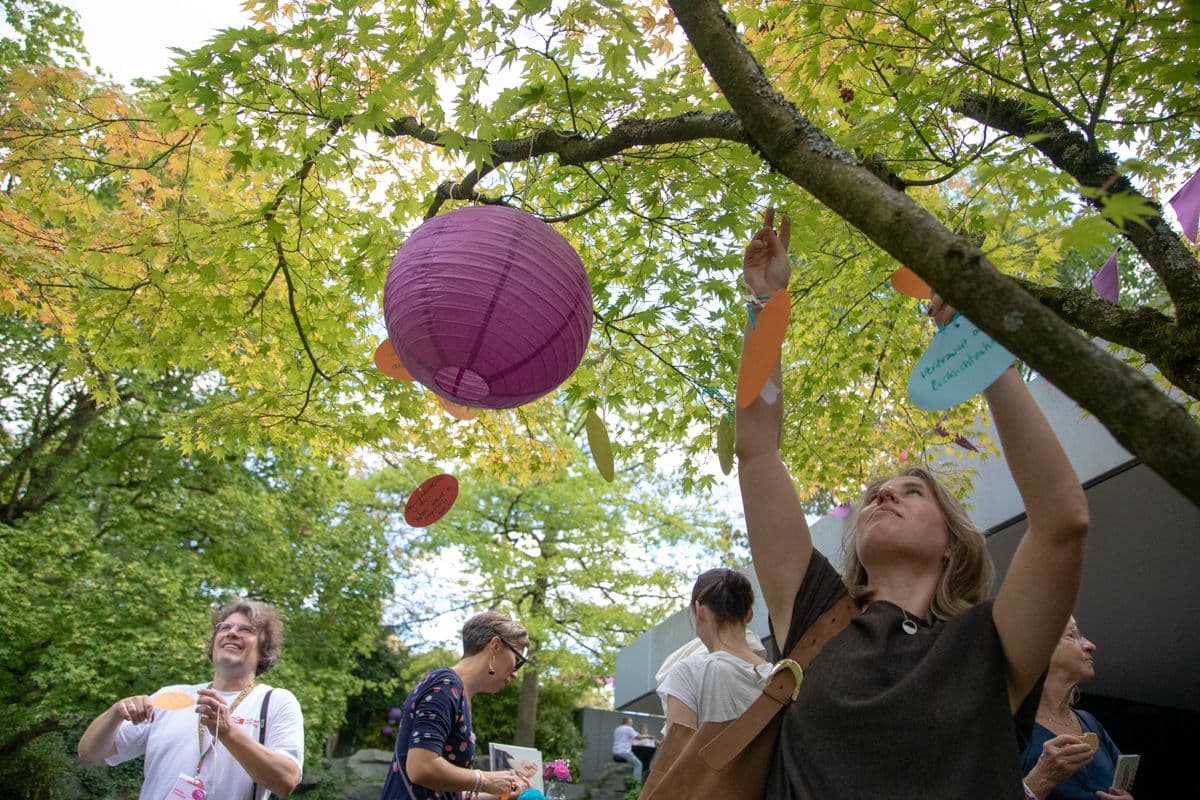
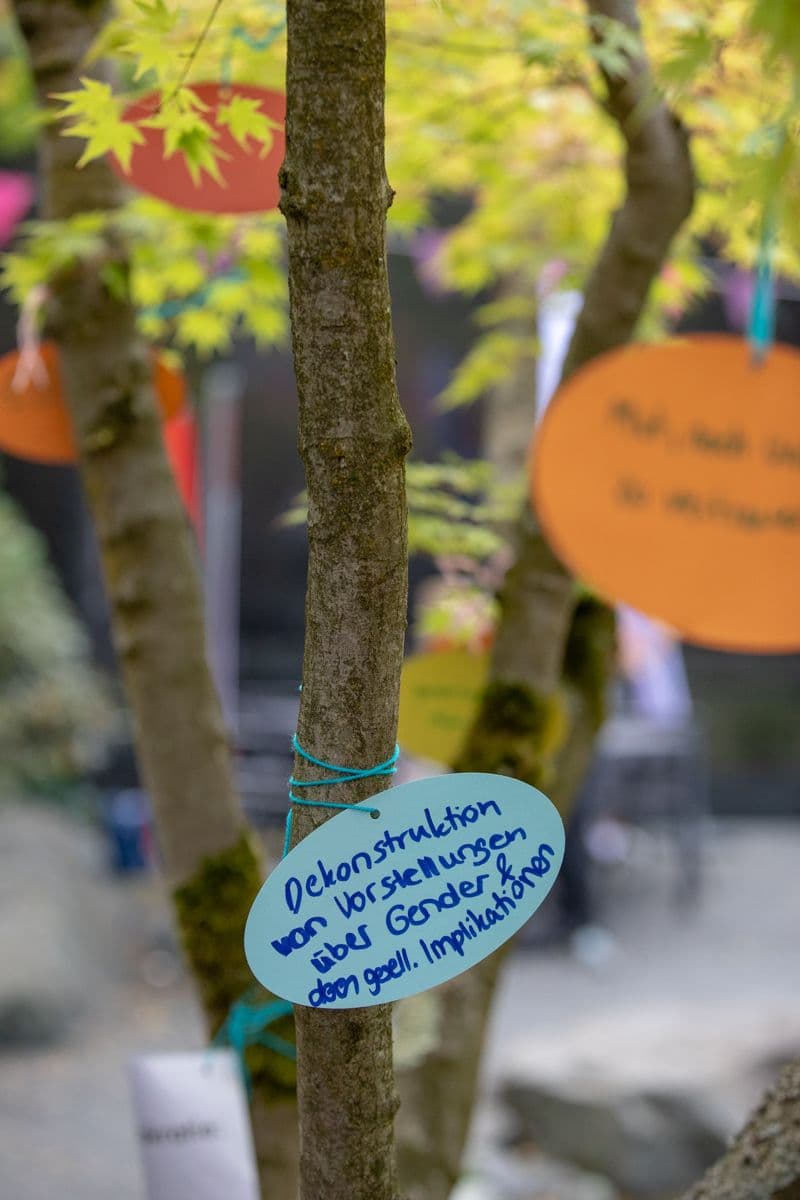
What does democracy feel like? In this interactive workshop, we invite you to experience democracy with body, mind, and heart. Following a short mindfulness exercise, a joint group intervention makes democratic principles such as connection, balance, and co-creation directly tangible. The subsequent discussion generates personal impulses for everyday life. The key insights will be captured on cards and become part of a growing festival tree—a visible sign that democracy begins where people meet and shape the future together. - Climate Dialogue: New Solutions for a Deadlocked Topic
metro_polis takes place as a mobile democracy council on the trams of Dresden and Chemnitz. The project uses shared travel time to engage passengers in small groups in constructive conversations about socio-political controversies. Using our "Agoration" method, new approaches to deadlocked issues emerge, which we document and hand over to politicians and local authorities for further use. Who wants to "ride the tram" with us in the middle of the Schader Festival to discover and test the method? We will hold a discussion using the example of climate dialogue. - State Security Services in Dialogue: Protecting Democracy Together
How do state security services operate—and where does their work intersect with science and civil society? This dialogue format invites exchange on the tasks and challenges facing state security. The focus rests on digital subcultures within the gaming scene and their influence on extremist radicalisation. Together, we want to discuss questions of democratic resilience and expectations regarding our shared responsibility for protecting the free democratic basic order. - KI+ND
Positioned tonally between raw electronic sounds, abstract grooves, and tender melodic lines, the music of KI+ND draws from numerous sources. Composed as well as improvised, the music aims to move and inspire listeners. "Democracy needs resonance" (H. Rosa). This is generated through direct experience and should never be a one-way street. A live concert lets people experience how artistic expression emerges and takes shape in space and time. Is free, human-made art important for democracy, or is democracy the prerequisite for free art? - Listening Session
Jazz is primarily live music. Yet many influential artists can only be experienced on recordings today. Listening to them together and talking about the music, its historical context, and its social significance creates a community experience that goes far beyond merely playing a record. Starting from the exhibition "Voices of Change – Political Expressions in Jazz", which was recently shown at the Jazzinstitut Darmstadt, selected examples from jazz history will be heard and discussed—focusing on music as expression, attitude, and a resonance chamber of its time. - In Good Company: How Democracy and Urban Planning Can Support Each Other
How does participation work in urban and regional planning? What role does democracy play in an urban planning context? And what exactly does a well-planned city of the future look like? Dr Stella Lorenz and Valeria Elsesser discuss these points in a live edition of the Schader podcast "In Good Company" with Prof. Dr. Ursula Stein, who brings a very special perspective to the topic as head of the Stein Stadt- und Regionalplanning office and Chair of the German Academy for Urban and Regional Spatial Planning (Hessian / Rhineland-Palatinate / Saarland regional group). - Cyberfeminism and Decolonial AI: Power, Play, and Democracy
Artificial intelligence is frequently presented as a neutral technology. In reality, AI systems are embedded in historical and contemporary conditions of power, extraction, and knowledge production. This interactive workshop invites participants to rethink AI from a decolonial and cyberfeminist perspective and collaboratively develop alternative technological visions for the future. The workshop combines critical theory, artistic practice, and participatory methods—not to pass judgement on technology, but to make its political creative possibilities tangible. - Democratic Writing Workshop
Can writing achieve what seems increasingly difficult socially: Can we adopt the perspectives of others in our society? Can we manage to write our way to a compromise that everyone involved can live with? The democratic writing workshop at the Schader Festival invites you to take up a pen and explore how far imagination, empathy, and the joint struggle over a text can take us. - Intergenerational Conversation on Democracy
"What does democracy mean to me?" Democracy is experienced differently by every generation—at the exact same time. To recognise commonalities and foster mutual understanding, people need to talk. In an intergenerational dialogue, individuals of different ages come together with personal stories and experiences to exchange ideas and perspectives. The conversation connects lived history and shows how historical events, origins, and social developments shape, unite, or divide us. Visitors are invited to participate with questions and contributions. - Power to the Kids
Older generations among us might still remember the song title "Kinder an die Macht" (Power to the Kids). In this workshop, we want to pick up that idea and take it further: How can young people become democratic shapers of our future? Using the example of a fictional village where everyone knows everyone, we want to bring together different actors' opinions: What should our village look like in the future? How can we rejuvenate decision-making structures? Step into a new role and join the workshop! - European HouseParliaments – Shaping Europe Together
How can an effective Europe succeed? Together with the Schader Foundation, Pulse of Europe launches the 11th round of the European HouseParliaments. Visitors will discuss on equal terms whether the EU should take on more shared responsibility—focusing on #NoVeto, European Defence Union, and digital sovereignty. This hands-on format demonstrates how deliberative democracy works. Share your perspective and experience how European citizen participation functions in practice. - 25th Round Table of the Science City Darmstadt
The twenty-fifth Round Table Science City Darmstadt takes place on 4 September 2026 as part of the Schader Festival at the Schader Campus. On the occasion of the World Design Capital Frankfurt RheinMain 2026, this special edition of the Round Table—normally a closed format featuring executive leaders of Darmstadt's key institutions—opens up to exchange with festival guests on the topic of democracy: How do we best stand together as a democratic society? And what insights can we draw from the perspectives of municipal administration, science, and culture?
Barrier-free access. Directions: https://www.schader-stiftung.de/service/route
Since 1988, the Schader Foundation has been promoting dialogue between the social sciences and practice. Through its own projects, it creates spaces in which science, politics, business and civil society can work together to find answers to current challenges.