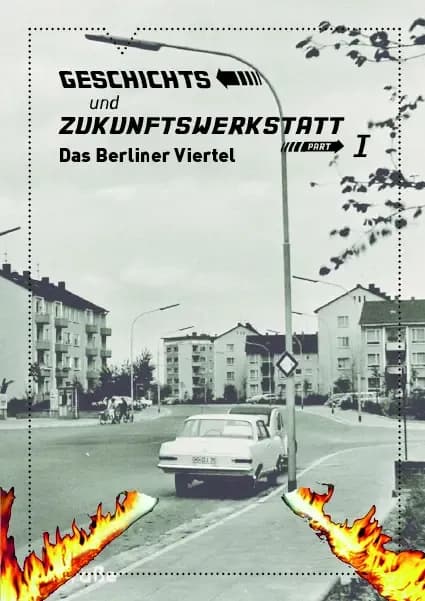
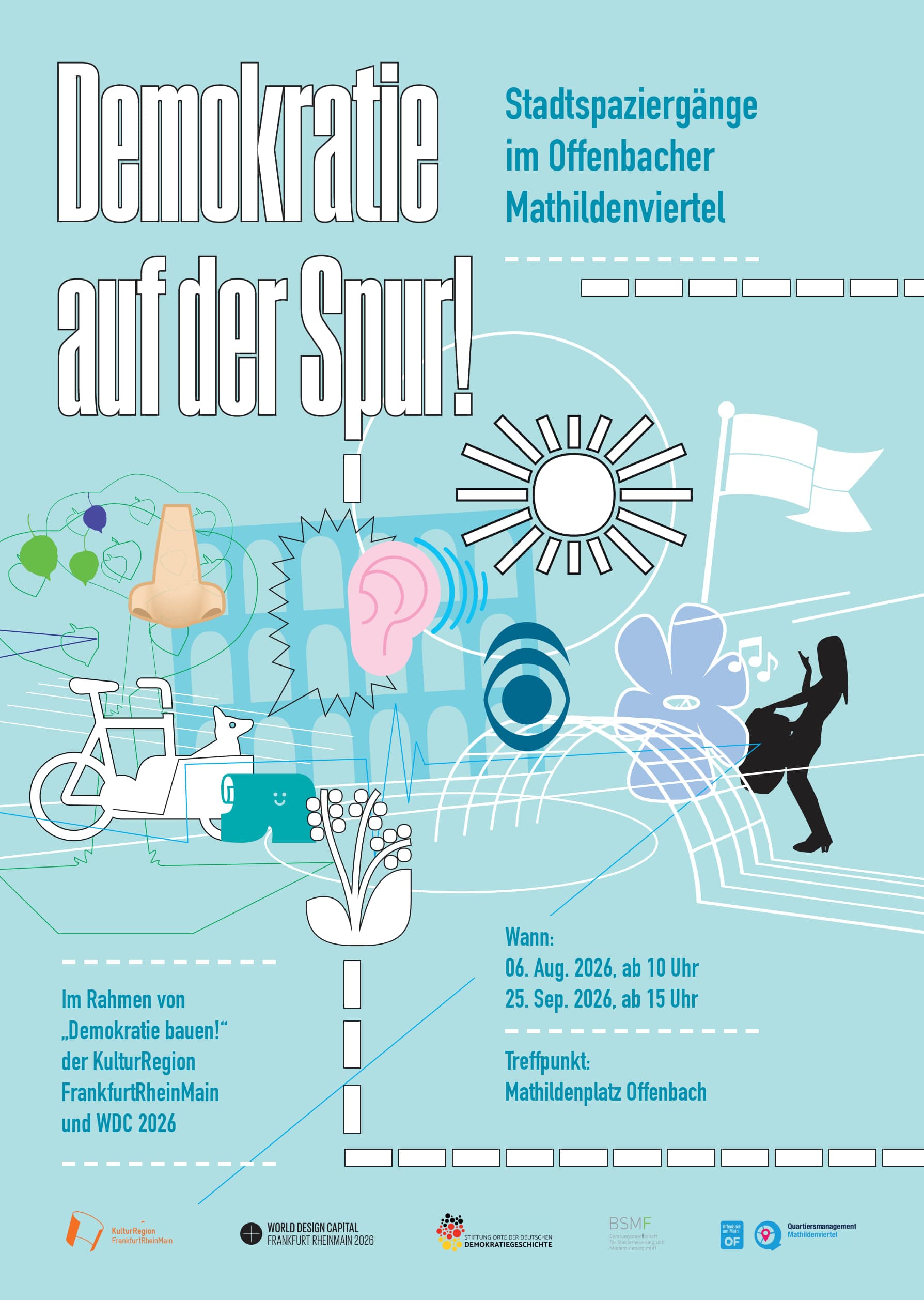
 ©Illustration: Julia Kluge, KulturRegion FrankfurtRheinMain
KulturRegion Frankfurt RheinMain
Demokratie bauen!
KulturRegion FrankfurtRheinMain gGmbH
In which spaces do democratic processes take place? How is democracy expressed in our built environment?
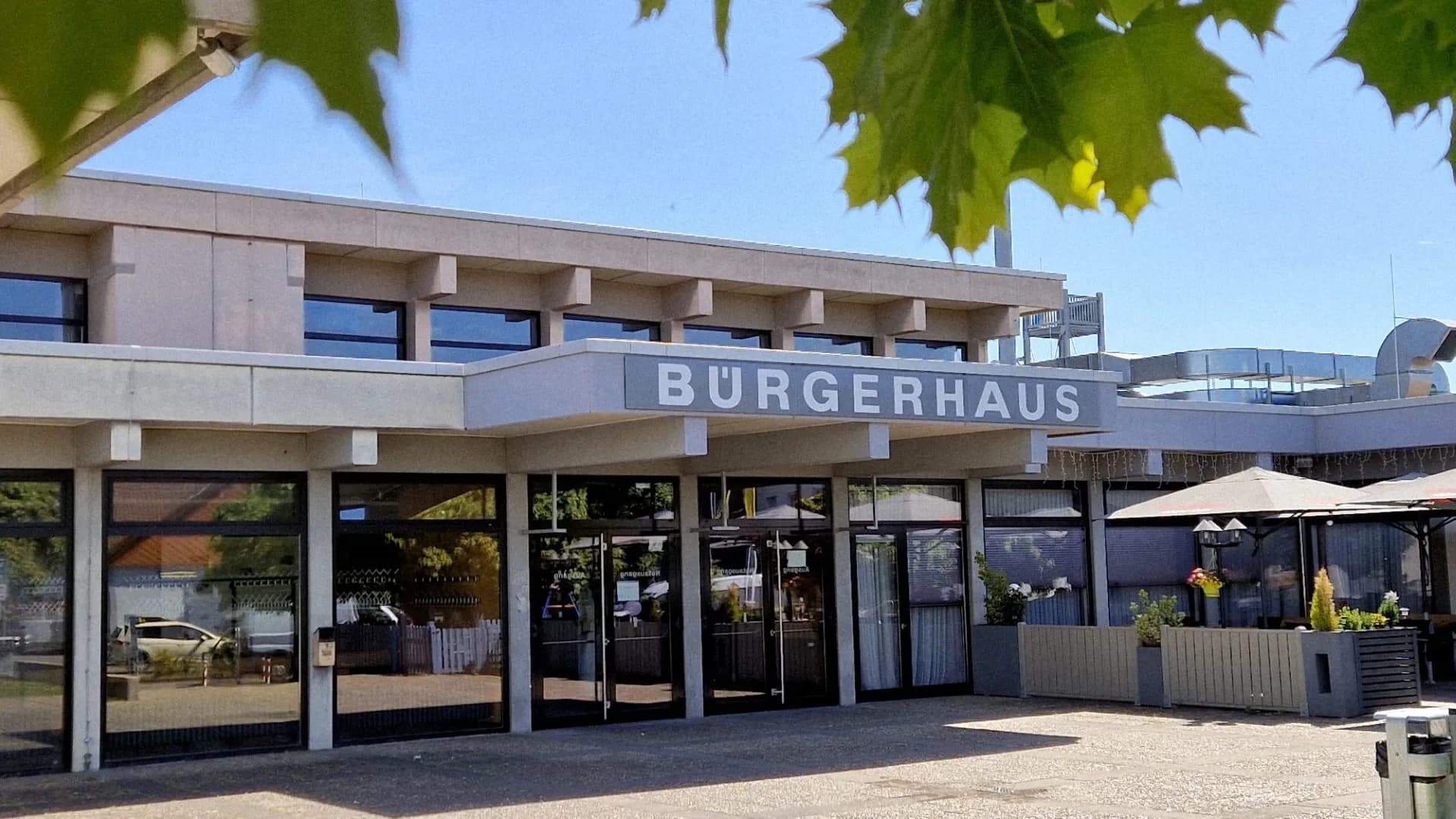
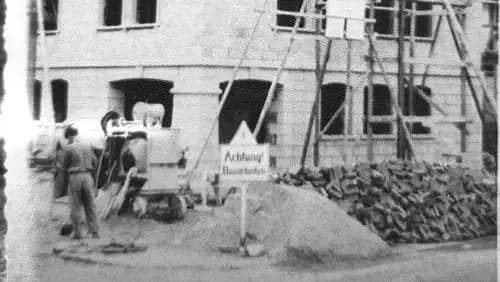
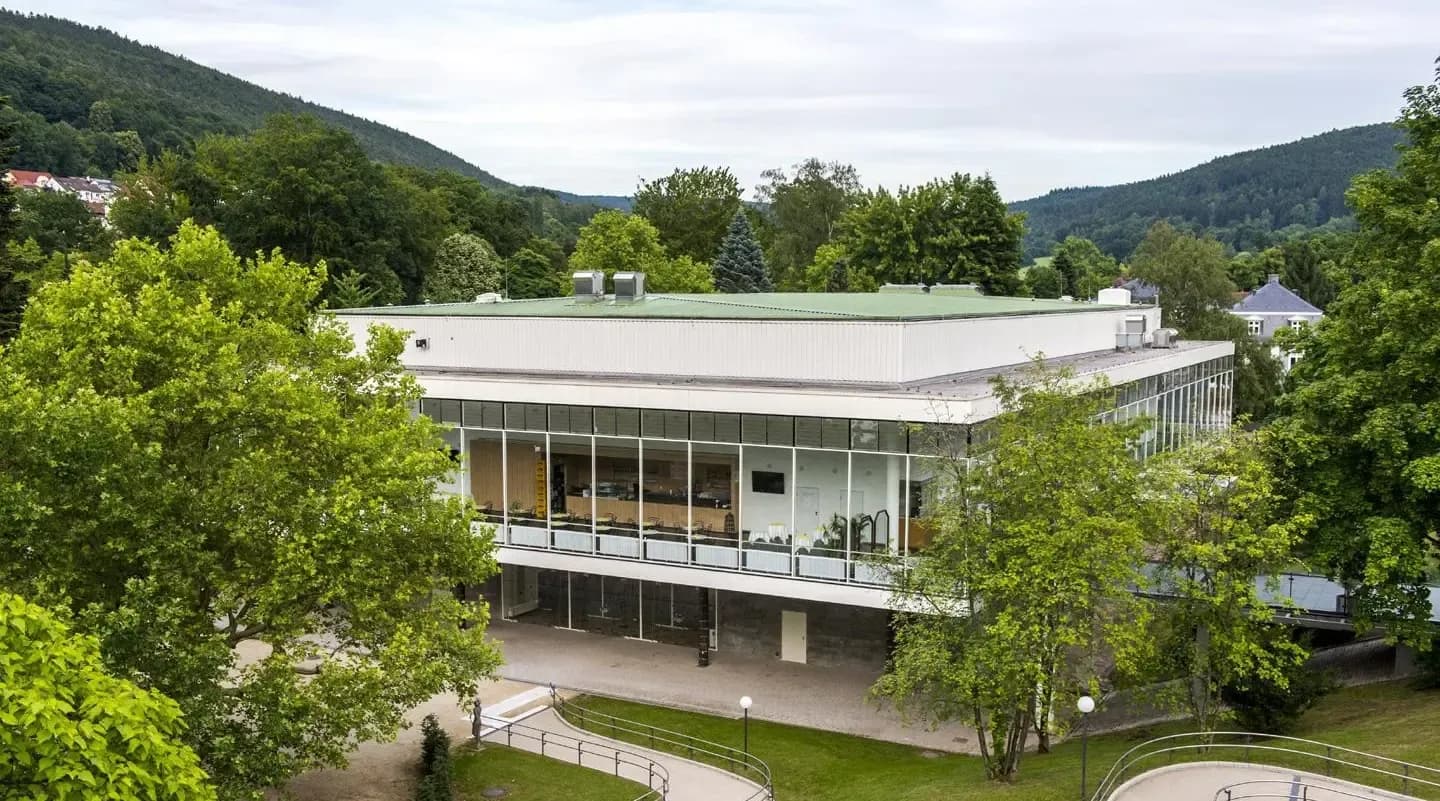
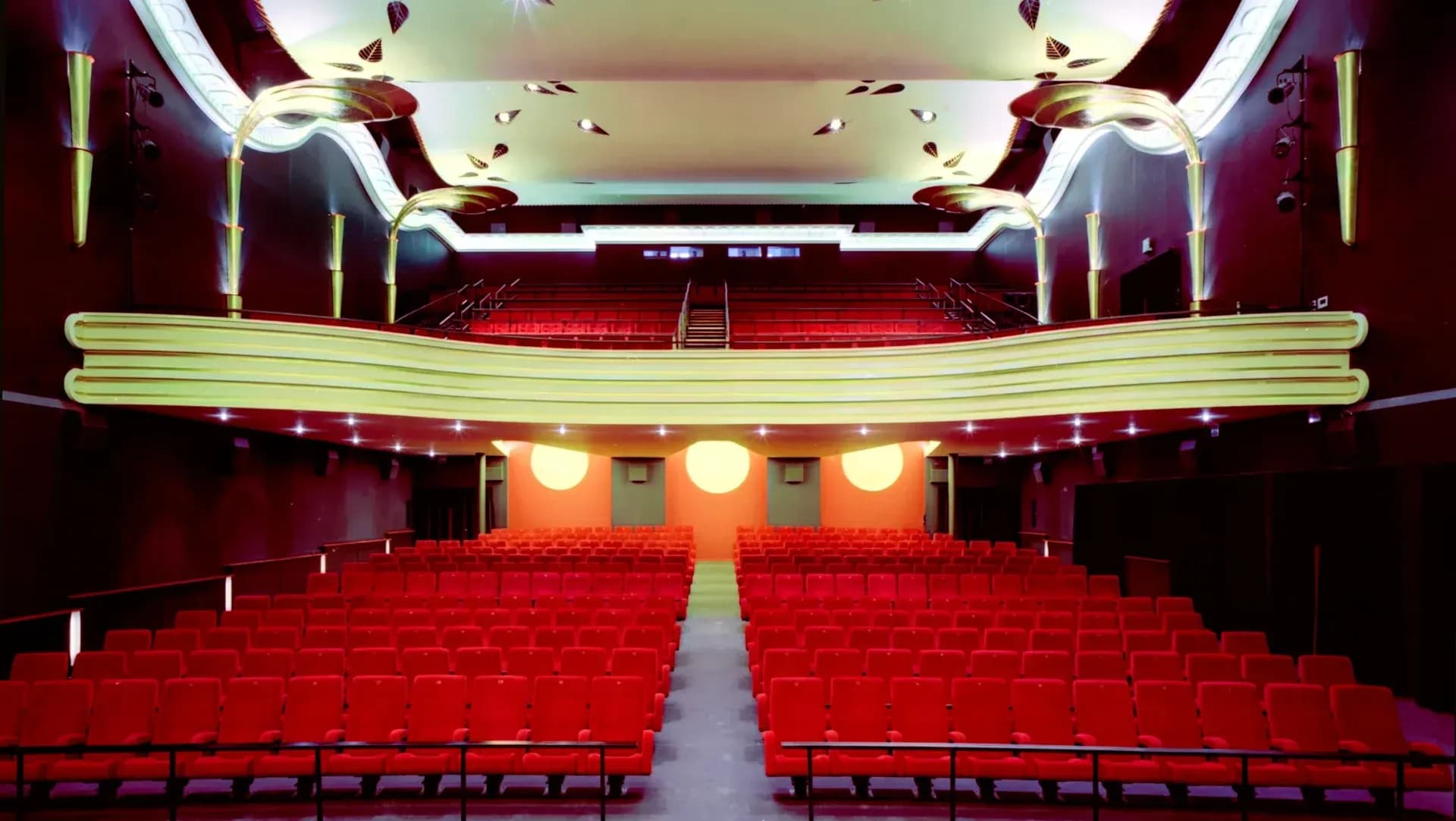
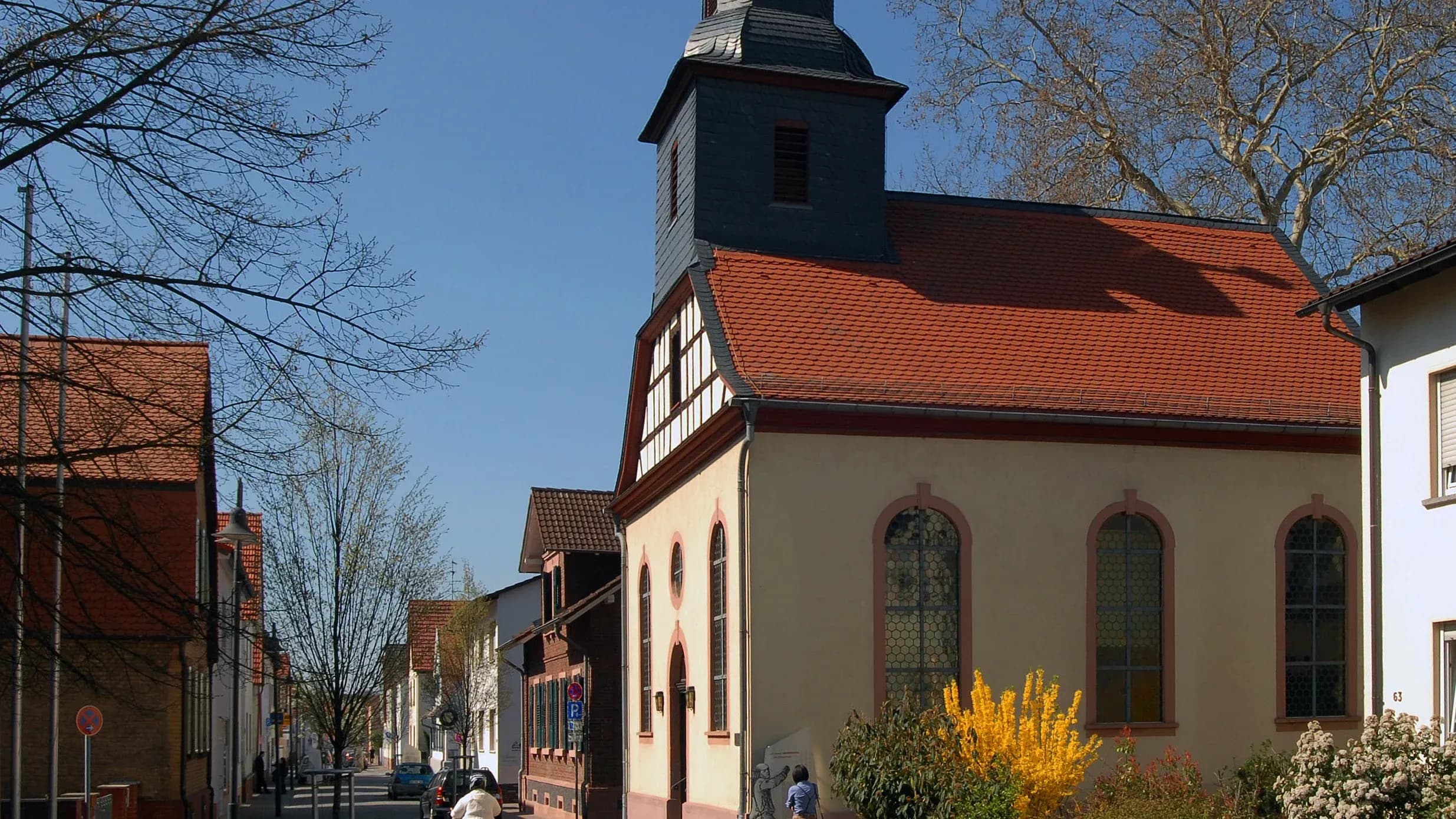
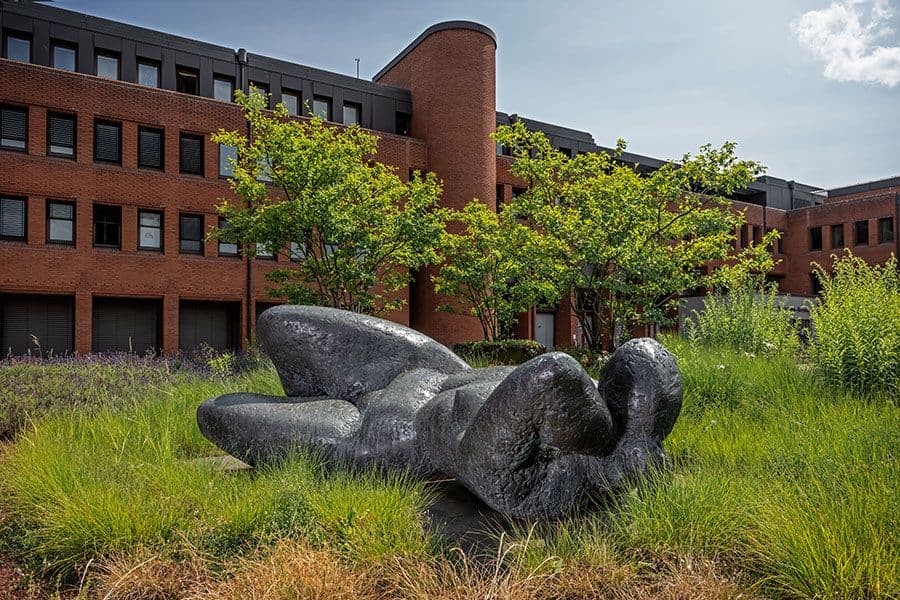
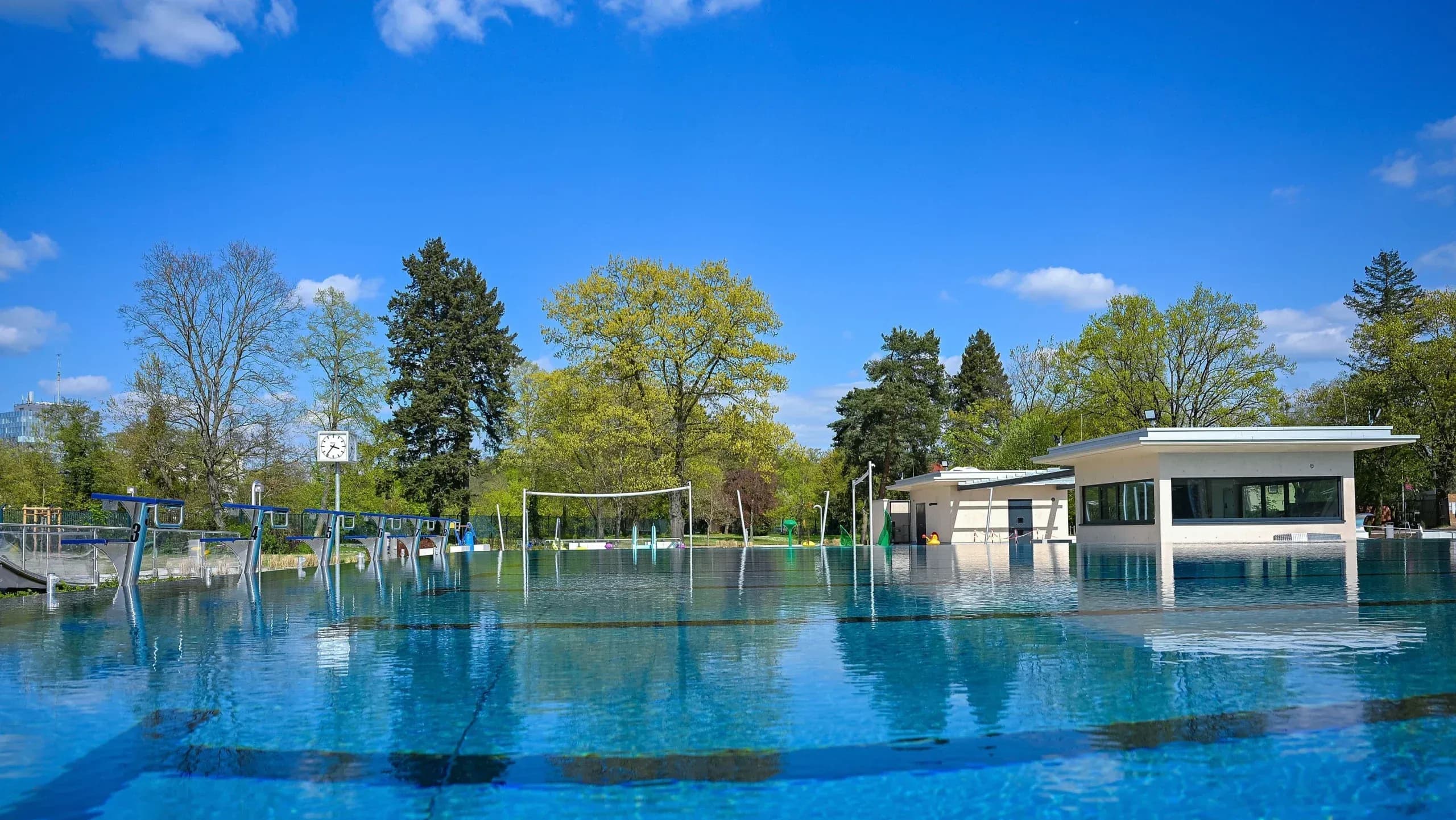
Architecture as an expression of democratic values played a central role in the post-war period: between 1950 and the end of the 1960s, numerous public buildings were constructed that were intended to express transparency, participation, and openness through their design and materials, such as glass blocks and open floor plans. Buildings such as town halls, schools, village community centers, and civic centers were not only intended to represent democracy, but also to be living sites of democratic and social community through their very construction (Hessenplan). Today, many of these places are aging, their architectural concepts no longer contemporary or sustainable.
We take up the idea that buildings and converted spaces can be anchor points of democratic culture and turn our attention to today's spaces of democratic participation. How have democratic structures changed? Where are democratic forums located today – in urban centers as well as in small communities? Who runs these places, who initiates them, and what form do they take? What functions do they fulfill, and what do they need in order to develop further? Are there any connections or even continuities with the democratic construction projects of the postwar period?
We invite initiatives, associations, institutions, and committed groups to identify places of democracy in their villages and neighborhoods and to question, develop, or rethink them in a critical and creative process. This initiative is part of the Spirit of Freedom project, which explores the regional roots of democracy and freedom with a changing series of themes and formats, linking historical contexts with current social issues.
Related Events
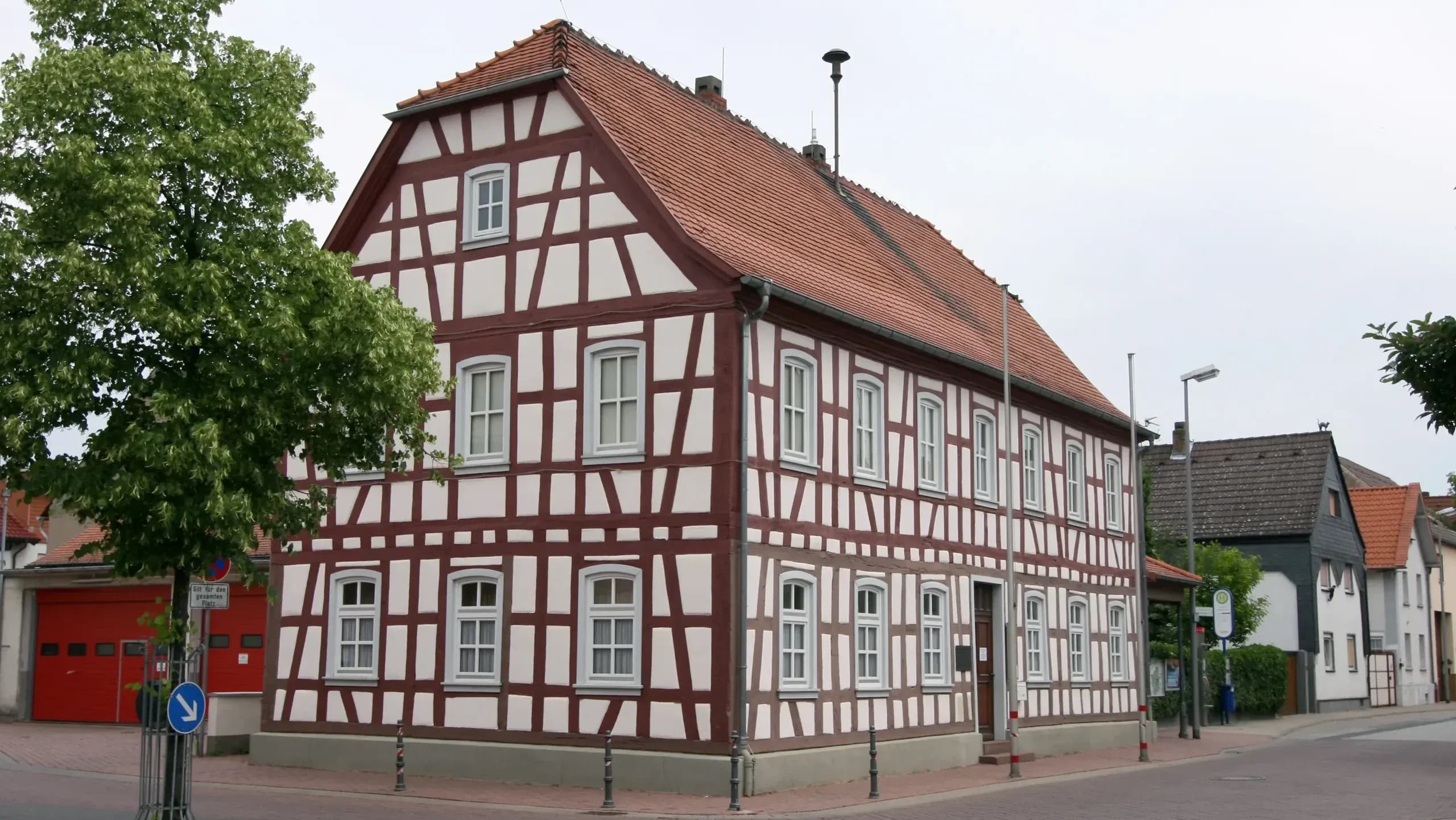


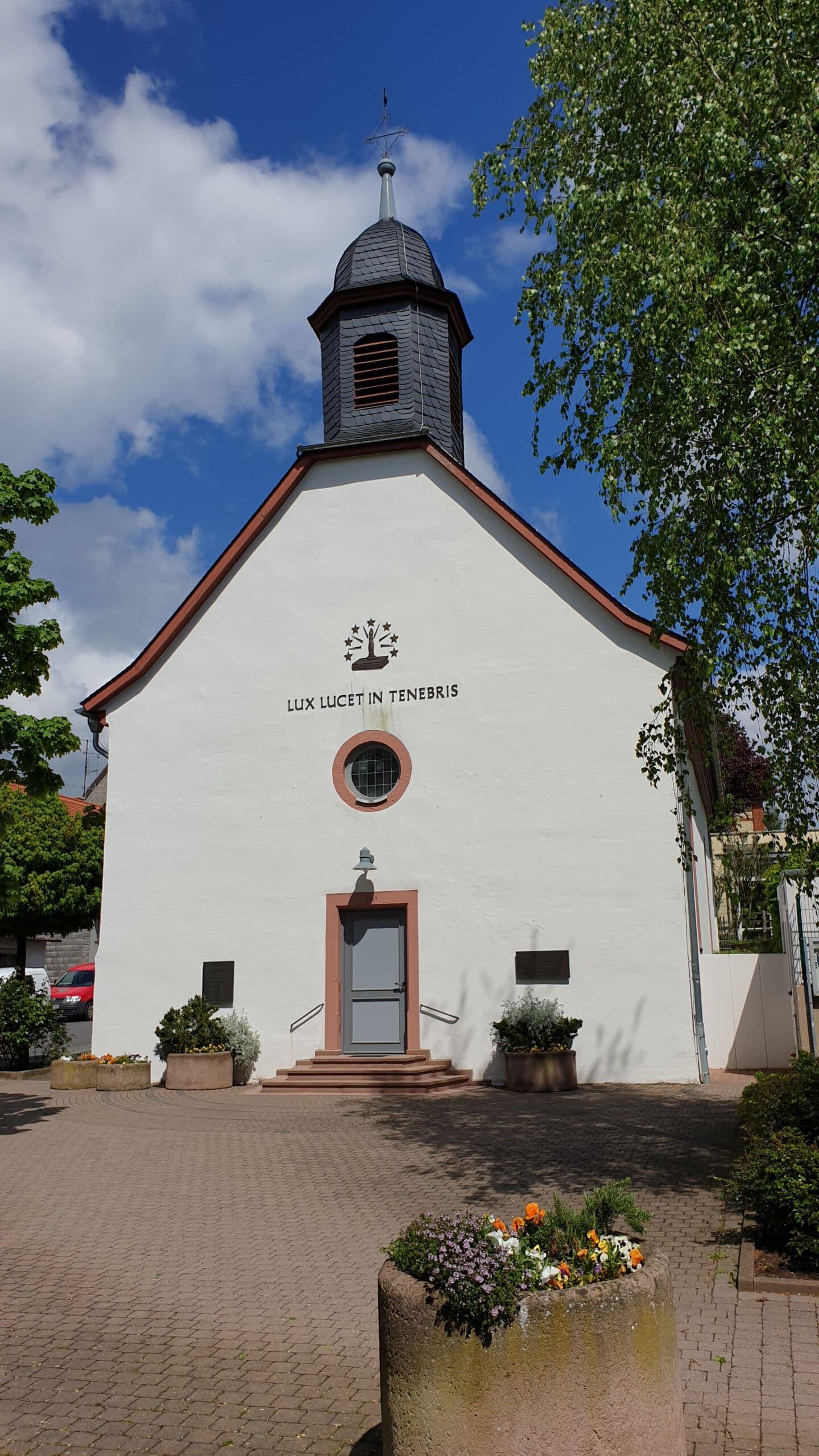



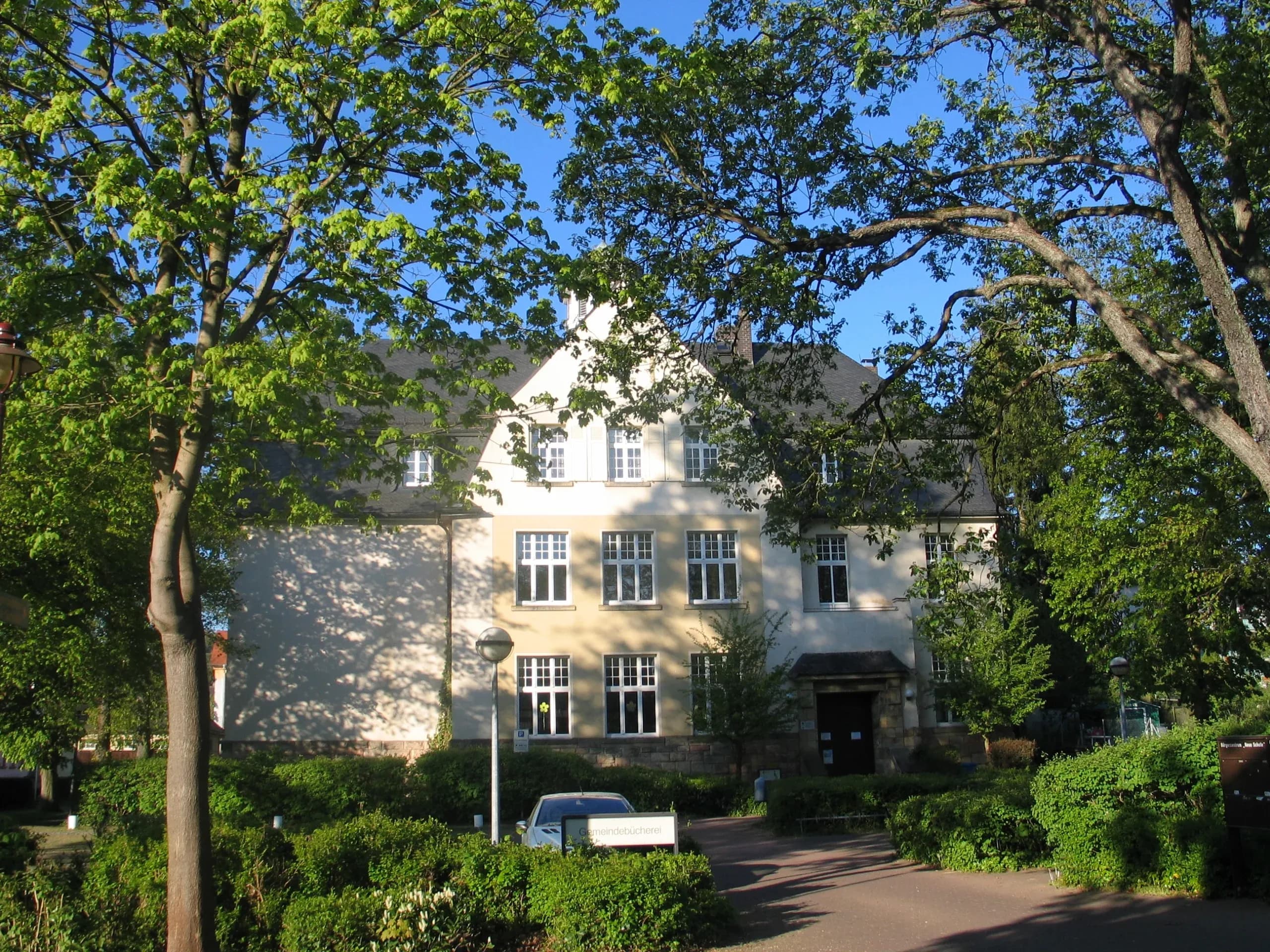

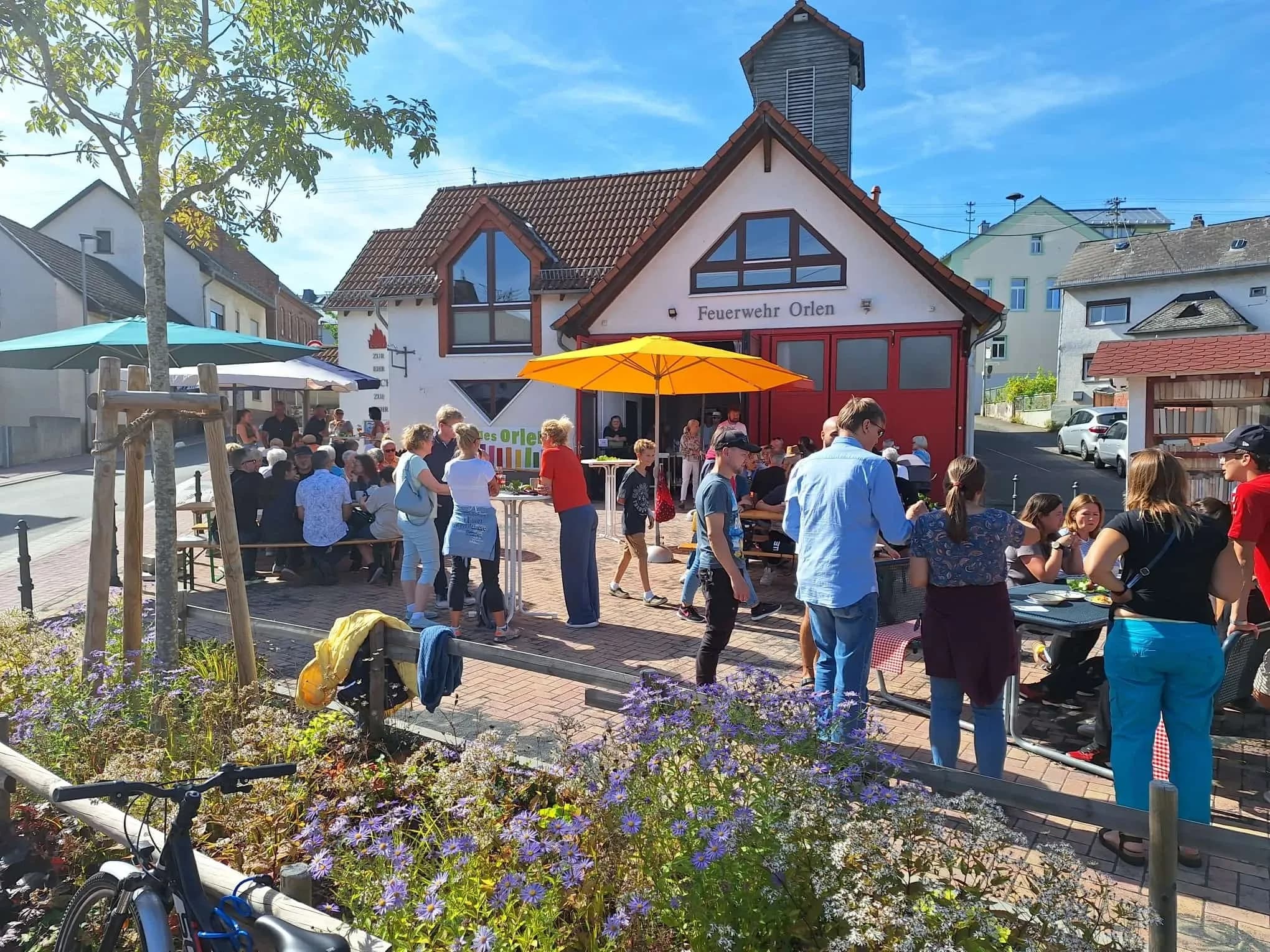
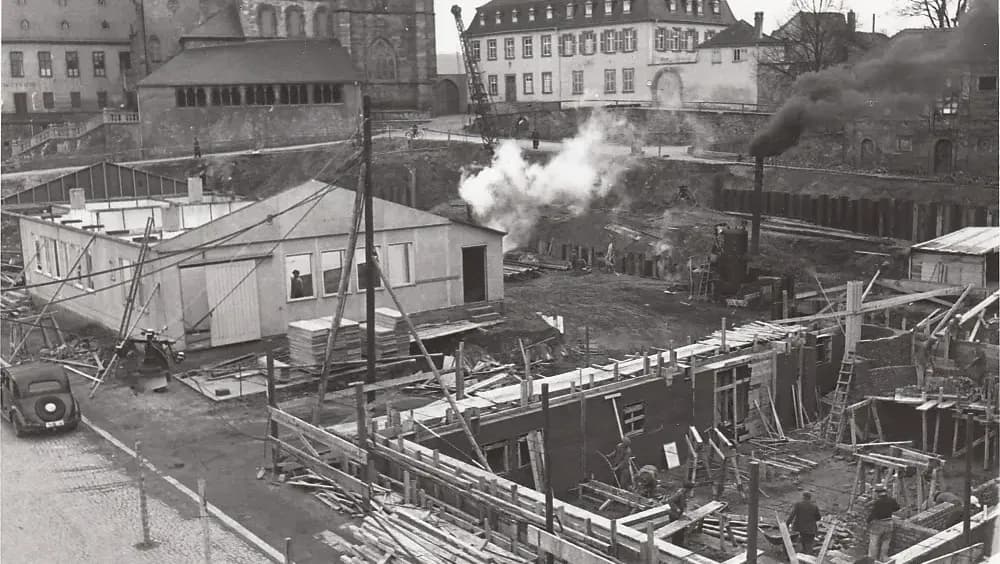
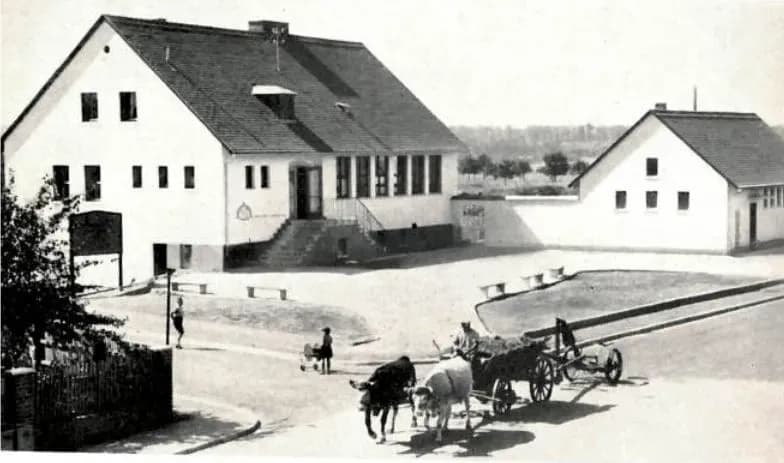
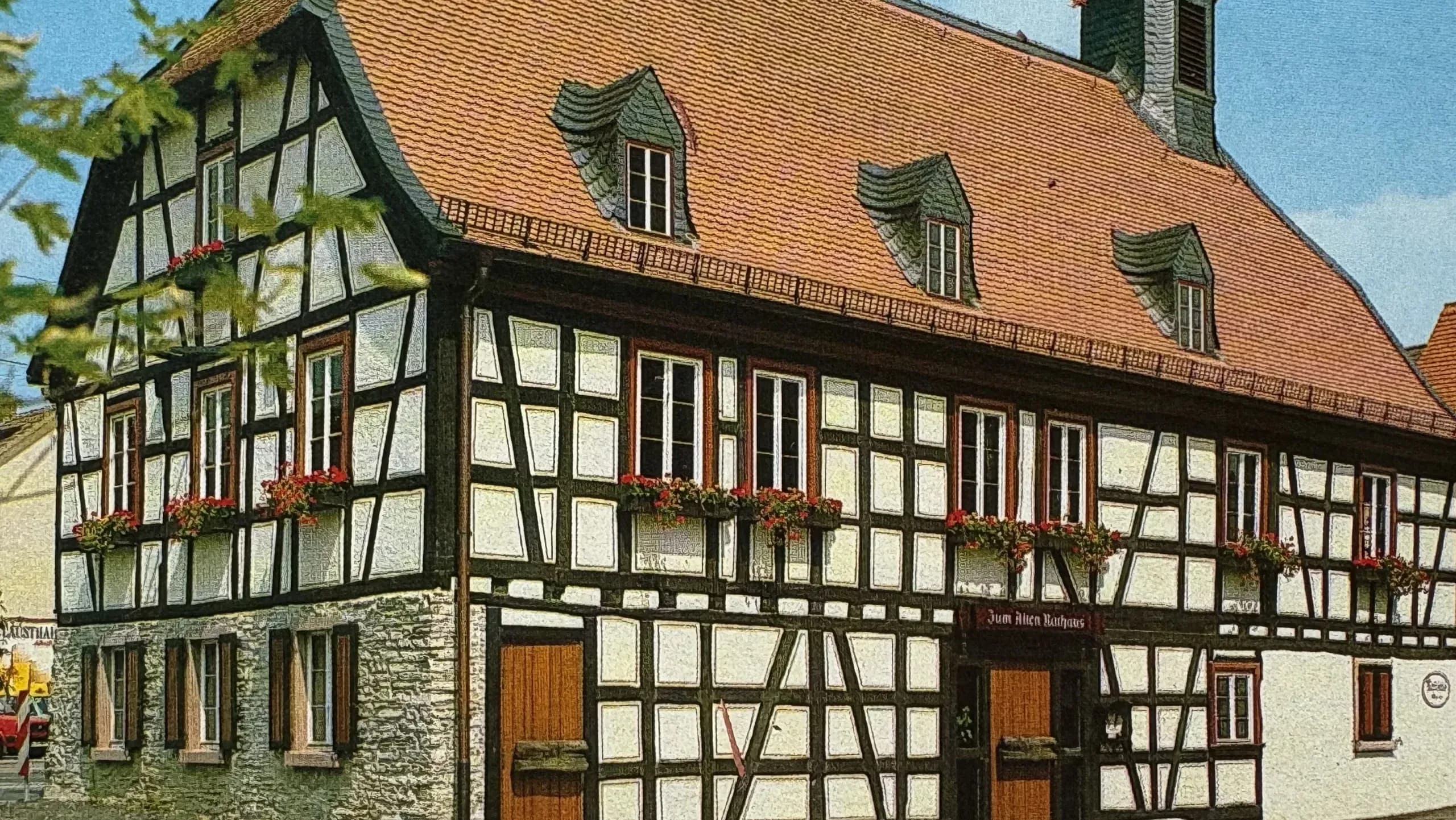
 ©Foto: Andreas J. Etter
 ©Moritz Goebel aus Hanau
June 2026