 ©Ben Kuhlmann
Interview with Xavi Calvo and Roberto Heredia from WDC-22 in Valencia
Valencia is coming to Frankfurt in May: on 7 and 8 May, the WDC Hub will host the international project “Aperitivo: Spanish Design in Conversation”. Funded by the Spanish Ministry of Culture and organised in collaboration with the Design Foundation of the Region of Valencia and the Spanish Design Association Network (READ), the event brings Spanish designers together with the local creative scene.
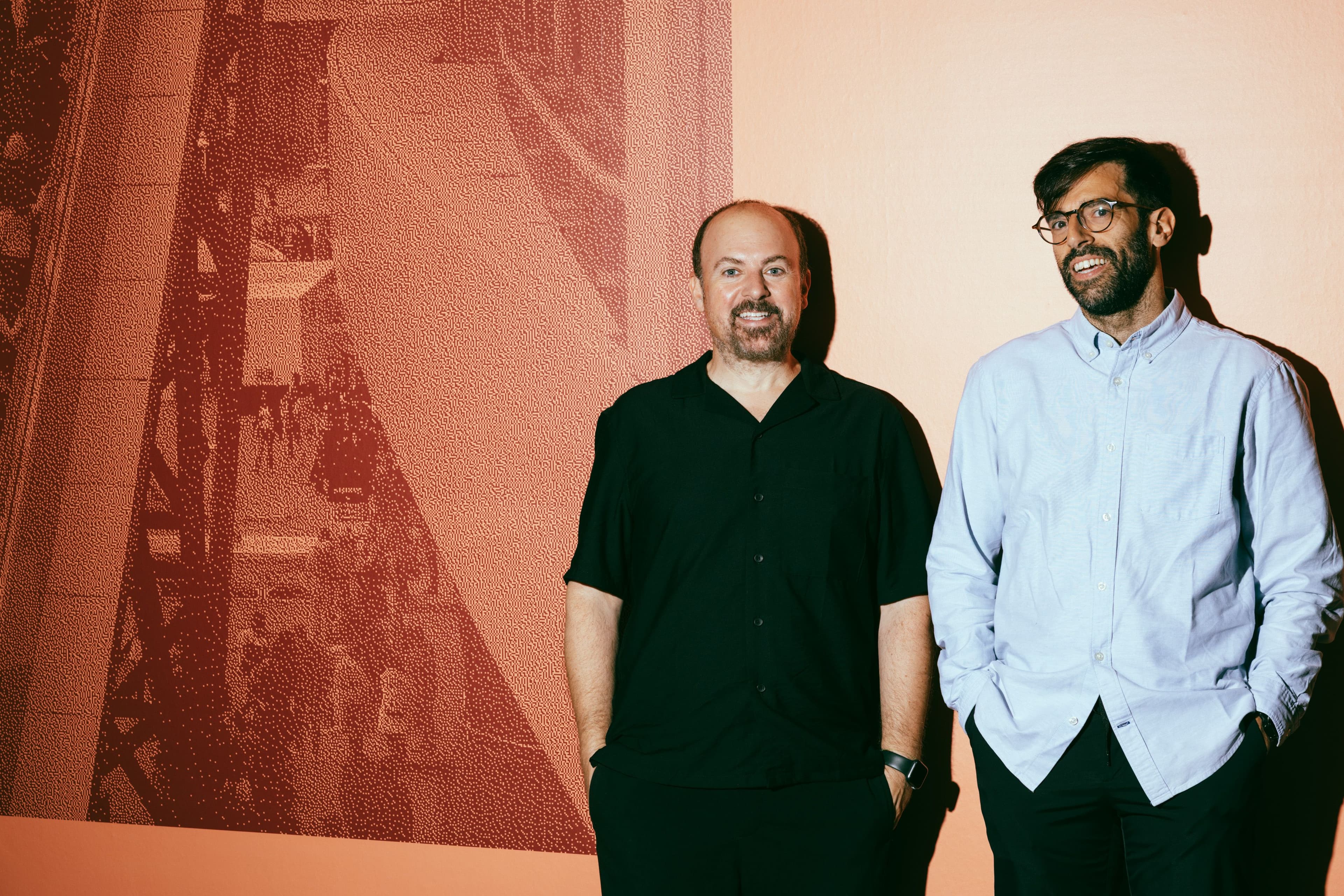
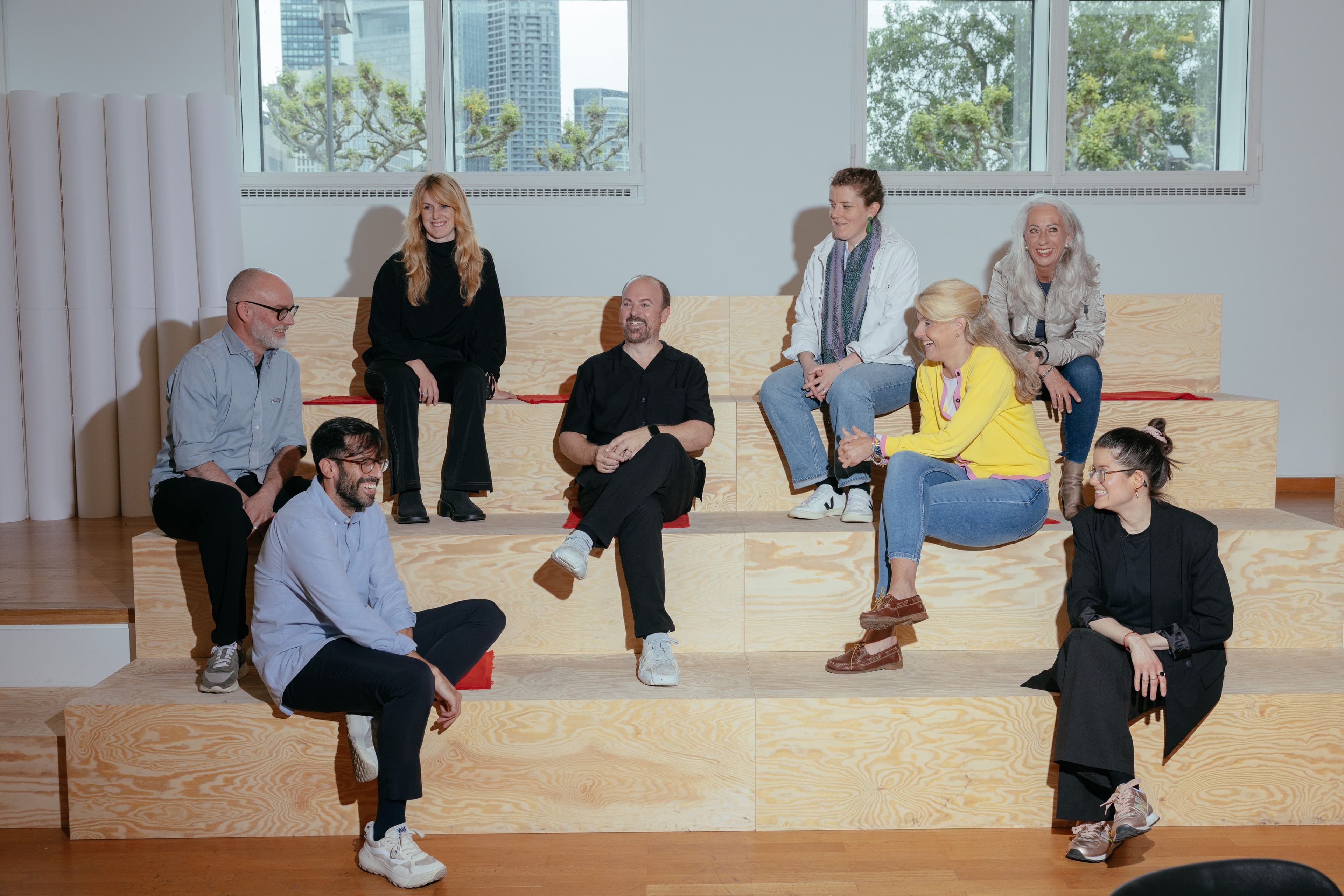
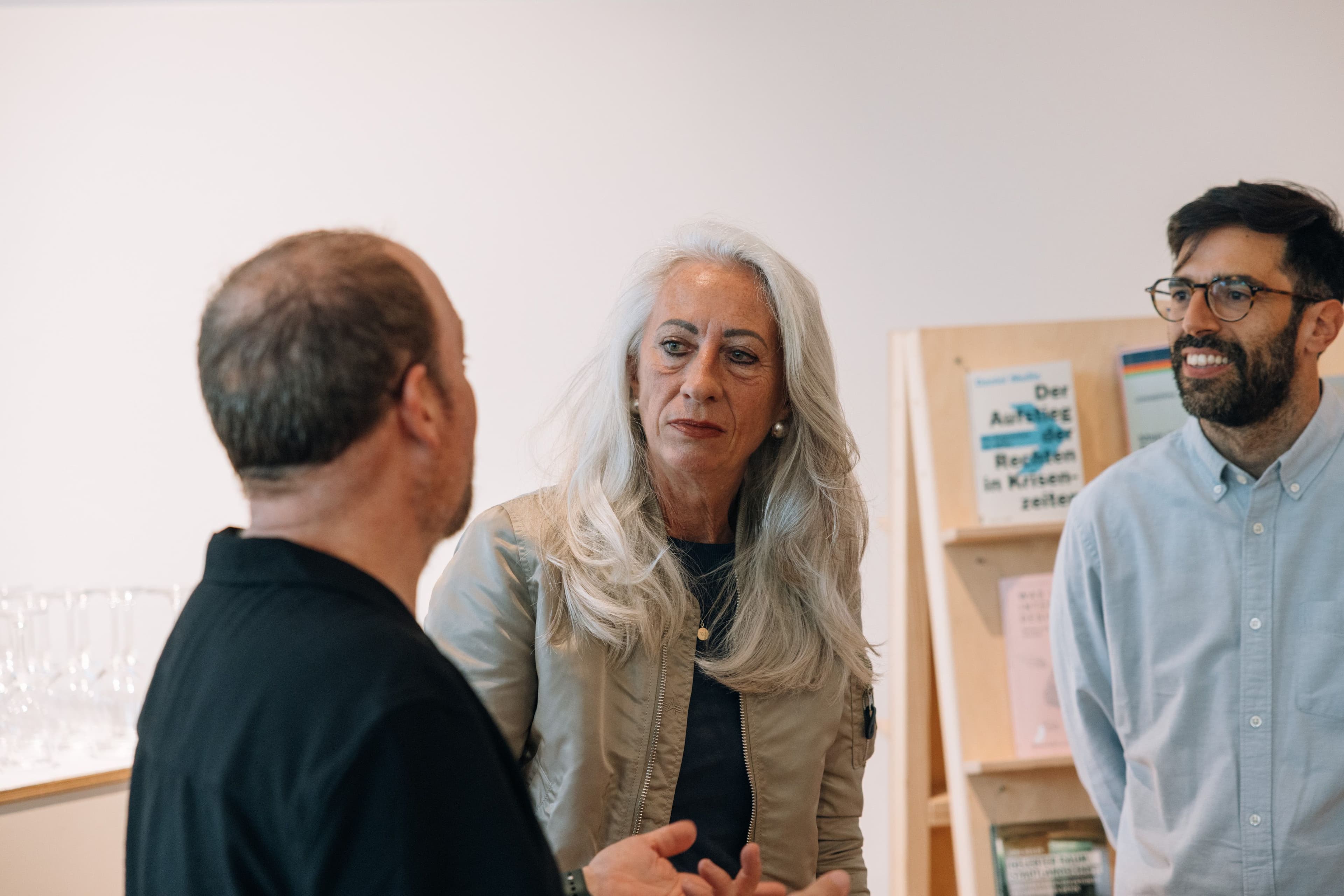
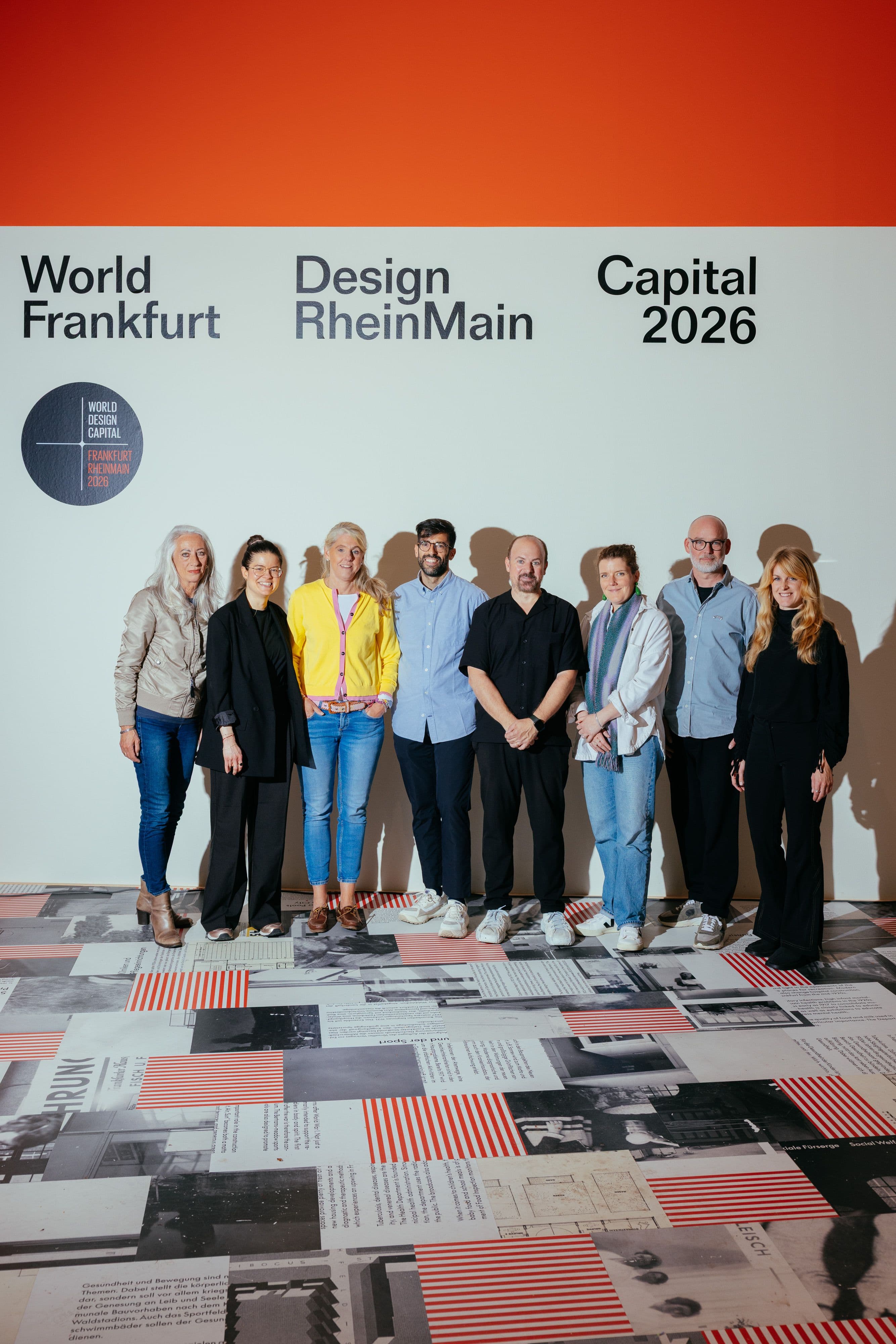
Among the initiators is Xavi Calvo, former CEO of World Design Capital Valencia 2022. During his visit, he met with the WDC 2026 team, alongside Roberto Heredia, Project Director of the Design Foundation of the Region of Valencia, to exchange experiences and insights from the WDC process.
What remains once the World Design Capital’s year of events has come to an end? For Valencia, the title of World Design Capital 2022 was far more than just a cultural showcase; it served as the starting point for a long-term process of transformation within the Spanish city.
In conversation with the WDC – Team Frankfurt RheinMain 2026, Xavi Calvo—CEO of World Design Capital Valencia 2022—and Roberto Heredia—Project Director at the Design Foundation of the Region of Valencia—take stock of the experience, demonstrating how they successfully managed to permanently embed design within the realms of politics, business, and civil society.
Their experiences simultaneously offer a valuable perspective for WDC Frankfurt RheinMain 2026. For here, too, the focus extends beyond mere events and visibility to encompass structural impact—addressing the fundamental question: what will remain in the region once the year, featuring more than 2,000 individual events, has passed?
 ©Ben Kuhlmann
What is your personal assessment of the year as World Design Capital Valencia?
Xavi Calvo and Roberto Heredia: From the very beginning, my main concern was to ensure that WDC Valencia 2022 would not become a showcase. It was a daily effort to work towards something deeper: building a meaningful and lasting legacy. Beyond the events, the real achievement was setting the foundations for a long-term transformation, positioning design as a strategic tool for the future of the city.
In your view, what was the greatest success of WDC Valencia?
Xavi Calvo and Roberto Heredia: The greatest success was giving design a voice among people. We managed to break the stigma of design as something superficial or aesthetic, and instead brought forward its more social dimension, design as a tool to improve people’s lives. That shift in perception, from object to impact, was key.
What changes are still noticeable in the city today?
Xavi Calvo and Roberto Heredia: Design is now more present in policies, in business strategies, and in everyday conversations. This has happened in a remarkably short period of time, which is significant. However, it is also a process that needs to be sustained, navigating political changes, shifts in public administration, and continuing the daily work of education and advocacy at many levels.
What concrete impact has WDC Valencia had on the city’s community and the creative scene?
Xavi Calvo and Roberto Heredia: It may sound like a cliché, but it genuinely strengthened connections across the ecosystem. It created new opportunities, fostered collaboration, and reinforced the confidence and visibility of local talent. The bridges built between designers, institutions and industry are very real.
In which areas has the year left a particularly lasting mark?
Xavi Calvo and Roberto Heredia: Especially in the perception of design as something useful, a cultural shift towards understanding design as a tool with real impact. This came from a significant collective effort in education and awareness. It is something I have also seen being developed over time in Frankfurt RheinMain, and I find that continuity truly inspiring.
Has WDC Valencia changed the perception of design within politics and public administration?
Xavi Calvo and Roberto Heredia: Definitely. As mentioned, there is now a clearer understanding of design as a transversal and strategic tool. This is something very new in the Valencian context, and it has already started to produce tangible results.
 ©Ben Kuhlmann
How has the attitude of the city administration and politicians towards design evolved?
Xavi Calvo and Roberto Heredia: Our approach was based on changing the way design and its processes were understood, positioning it as an investment rather than an expense. Over the years, we have shared hundreds of examples and case studies to support this vision. Being realistic, not all political representatives are equally sensitive or committed to design, but the progress is evident. The commitment that began in 2018 with the World Design Capital bid has translated into concrete outcomes: Valencia’s designation as a UNESCO City of Design, public funding calls supporting design-related initiatives, and the continuation and expansion of structures such as the Design Council created during the WDC year. Even through political changes, the impact has endured.
What did the year bring in terms of Valencia’s international visibility?
Xavi Calvo and Roberto Heredia: It positioned Valencia as a credible and active player within the global design network. This is strongly supported by impact studies, particularly in terms of international media reach, where the image of Valencia as a creative and design-driven city was projected like never before. Today, design is part of Valencia’s international narrative.
In your view, what is the most important legacy of WDC Valencia – for the city, its people and the creative scene?
Xavi Calvo and Roberto Heredia: A shift in mindset. Design is now understood as a process that improves how we live, work and relate to each other. In addition, and closely linked to media impact, design is no longer confined to a niche, it is now covered by mainstream media across culture, economy and industry. That transversal presence is a major achievement and key to its continuity beyond 2022.
What should definitely be continued to ensure the impact lasts in the long term?
Xavi Calvo and Roberto Heredia: Institutional commitment, international collaboration, and sustained investment in design-led initiatives. That is precisely why we created the Design Foundation: to ensure continuity and to avoid 2022 becoming a one-off moment of visibility. The goal was always to initiate a long-term process of transformation.
What specific changes has WDC Valencia brought about for local designers and creatives?
Xavi Calvo and Roberto Heredia: It has increased visibility, expanded networks, and opened new opportunities for cross-sector collaboration. It has also reinforced the role of designers as agents of change within society.
 ©Ben Kuhlmann
What was the most emotionally powerful moment for you during the WDC year – and why?
Xavi Calvo and Roberto Heredia: The year itself was intense and fast-paced, leaving little room for reflection. But one of the most powerful moments came towards the end, during the Convocation Ceremony. It was a moment to truly recognise everything that had been achieved and the immense effort of a team that made hundreds of activities possible. Watching the summary video, it was almost overwhelming to see how much had happened in such a short time. It also brought a strong sense of responsibility, the need to ensure that all of this would not remain as a fleeting moment, but would continue as a lasting legacy.
If you could give future World Design Capital cities a short mantra – what would it be?
Xavi Calvo and Roberto Heredia: Think beyond the year, and build for the decade.