 ©Thielen Architekten
WDC-Hub
wīlāri – Fachwerk-Weiler 2.0 – Das wiederentdeckte Erbe
Anja Schäfer und Cornelia Thielen
...
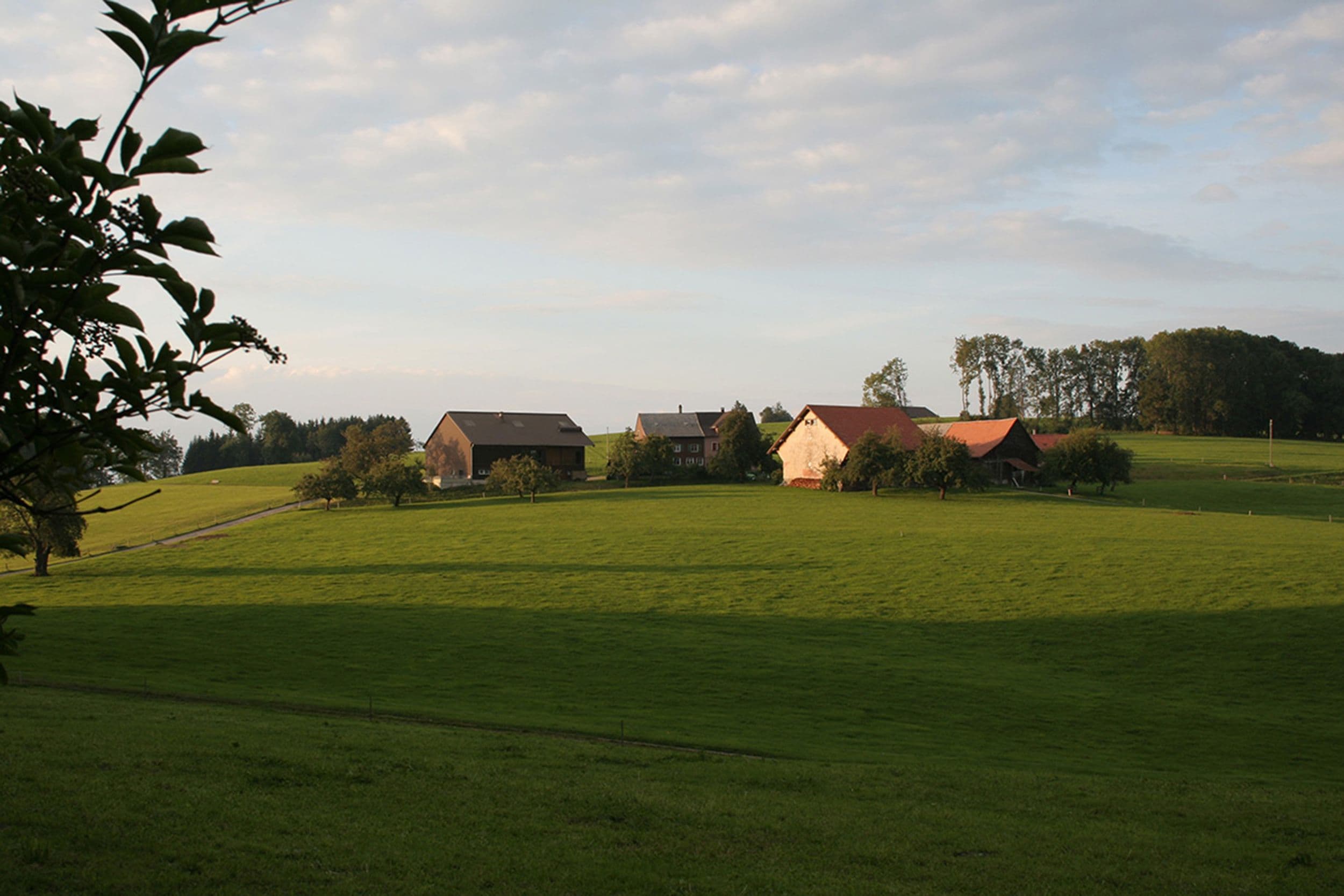
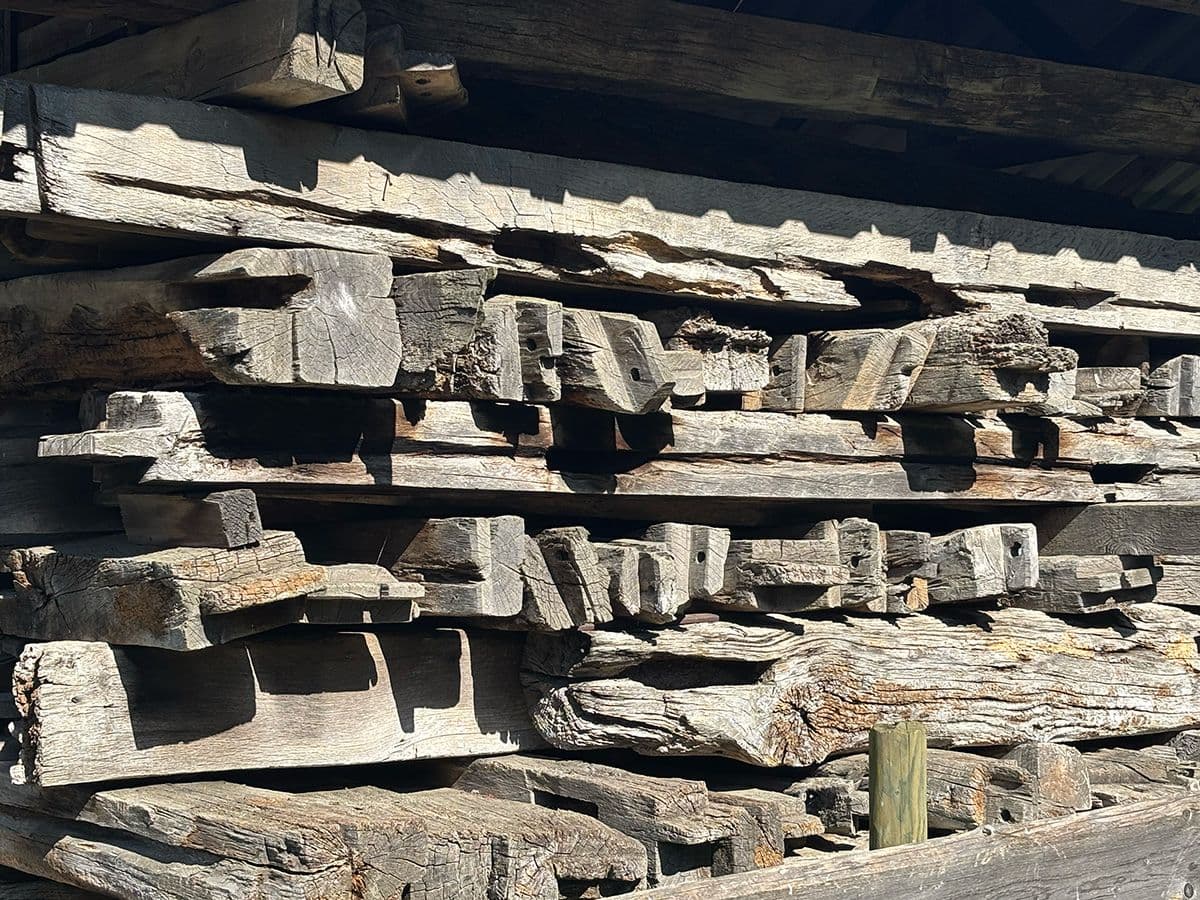
wīlāri – Fachwerk-Weiler 2.0 – Das wiederentdeckte Erbe is a pilot project that breathes new life into stored, dismantled stacks of timber-framed houses. The historical building fabric is reconstructed and reimagined: from these "rebels of architectural heritage" emerges a modern, sustainably built "village" for communal living and working, connecting tradition and the future. The remembering village. It enables intergenerational living, working, and community life, creating urgently needed living space with flexible usage options for families, couples, seniors, young people, and freelancers.
At its heart is an open, democratic and active development process in which craftspeople, architects, engineers, designers, visionaries, and future residents collaborate. This cooperative process strengthens social cohesion and demonstrates how broad participation can lead to designs that are aesthetically pleasing, functional, and sustainable.
The combination of traditional construction methods, innovative technology, and contemporary living arrangements opens up new possibilities for resource-efficient living. wīlāri demonstrates how historical heritage can be reinterpreted and translated into sustainable architecture: ecological, social, and future-oriented. As a model project for sustainable urban and regional development, it preserves valuable building fabric, promotes material cycles, and creates new living space – a vibrant example of how architecture and democratic processes can jointly shape the future.
The project initiators and architects Anja Schäfer (kreateam Architekten) and Cornelia Thielen (c_Thielen Architekten) are setting a powerful example for the sustainable use of historic buildings with wīlāri – Fachwerkweiler 2.0 – rediscovering heritage. With their approach, they aim to demonstrate the potential inherent in the hidden resources of our built history and how new forms of housing can emerge through a participatory process. They are seeking additional partners and future residents.