
Design Policy Days
When Public Service Is Designed
Heimathafen Wiesbaden, German Design Council, Service Design Network (SDN)
...
The Design Policy Days are kicking off at Heimathafen Wiesbaden, bringing together practitioners from the public sector, politics and business with international service design experts. The focus is on how citizen-centred services can be further developed in Hesse, the RheinMain region and beyond – and what a creative, citizen-focused bureaucracy needs to achieve this.
The day brings together experiences, prototypes and debates on public services, creative bureaucracy and service design: how do prototypes from the WDC Year become established administrative practice? What role do participation and co-design play when the state shapes its public services in collaboration with citizens? The findings will feed directly into the Frankfurt RheinMain Design Action Plan. In the evening, the programme takes on an international dimension: the evening event, organised in cooperation with the German Design Council, marks the opening of the Design Policy Days and sets the scene for the following three days of the conference.
In practical terms, the question is: what does a system feel like from the inside? CityLAB Berlin and the EU Policy Lab are each hosting a workshop and offering hands-on opportunities to try things out: the focus is on digital public services, data and AI for the public administration of tomorrow – and on the question of where Europe might stand in 2040. Taking a stand is taken quite literally here.
Key topics:
- Citizen-centred design of public services
- Digital government: digital services for local, state and federal authorities
- From policy labs to platforms: creative bureaucracy and public-sector innovation
- Best practices from Hesse and the region: from pilot projects to widespread impact
- Methods, obstacles and cultural change in public administration
Programme:
from 12:00 Registration
12:30–13:30 Networking lunch (separate registration required)
13:45–14:15 Welcome, introduction and organisational matters
14:15–15:45 Session 1 – five parallel tracks on the following topics: Digital · Innovation · Pilot projects · Service Design · Futures
15:45–16:15 Coffee break
16:15–17:45 Session 2 – five parallel tracks on the following topics: Digital · Innovation · Pilot projects · Service Design · Futures
17:45–18:15 Closing plenary session with findings and outlook
18:15–19:00 Break
19:00–19:30 Welcome addresses
19:30–20:00 Keynote
20:00–21:00 International panel
21:00–22:00 Drinks & networking
The event will be held in German and English, with automated simultaneous translation available in both directions.
Speakers
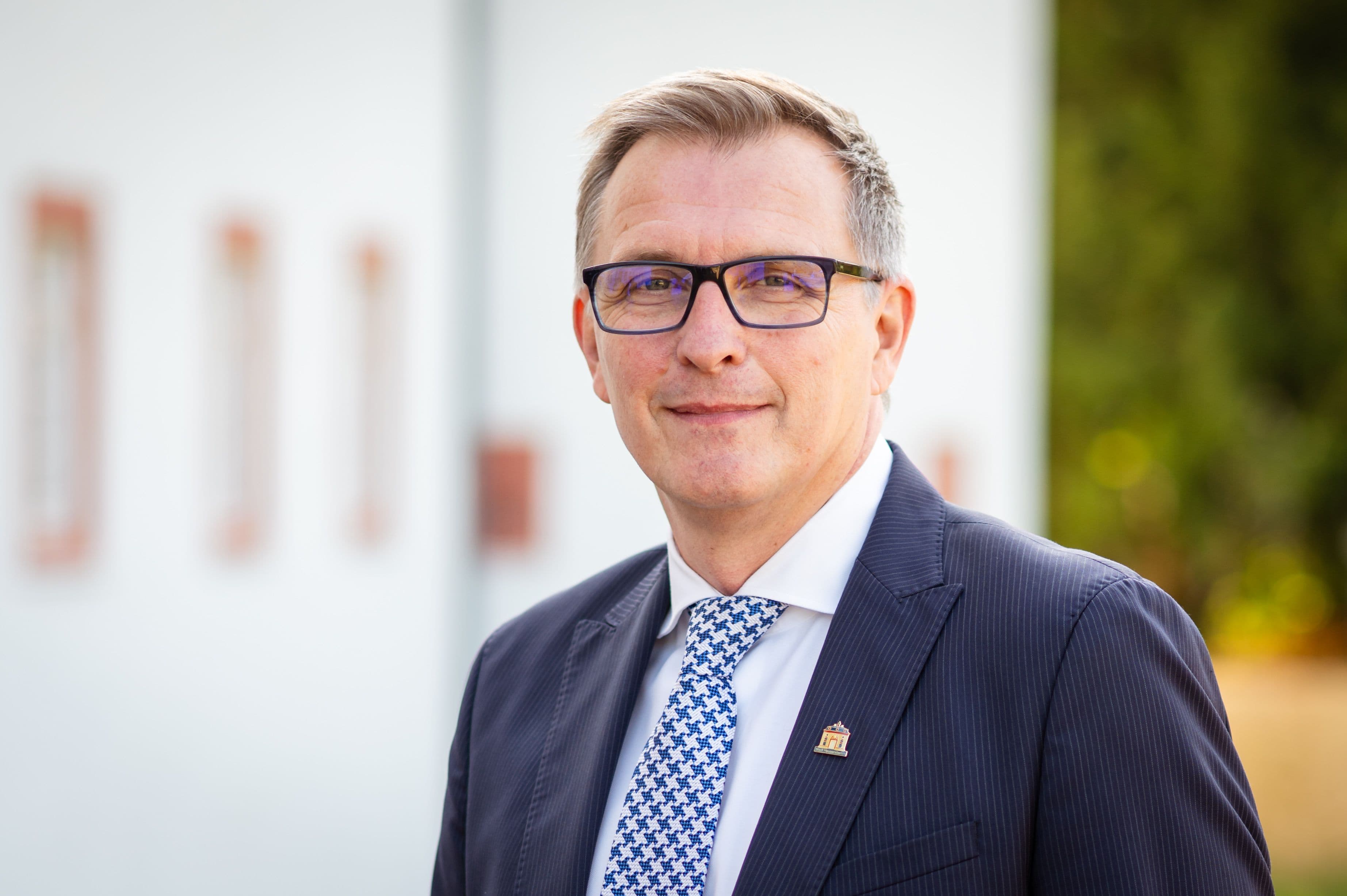 ©Andreas Nadler
Steffen Ball
Steffen Ball is the Mayor of Heusenstamm. In his contribution, he shows how municipal administration can be designed around human needs by utilising modern AI technologies and innovative participation formats to break down barriers to access.

Amira Bieber
Amira Bieber heads the European project management at Pro Arbeit in the Offenbach district. She presents how co-design with migrants, employers and local stakeholders creates viable structures for sustainable labor market integration.
 ©Ben Kuhlmann
 Martin Bien
Martin Bien heads the grant administration of WDC 2026. In his contribution, he shows how design as a process practice can help to shape the relationship between funders and grantees in a contemporary way and to bring joy to administrative processes.
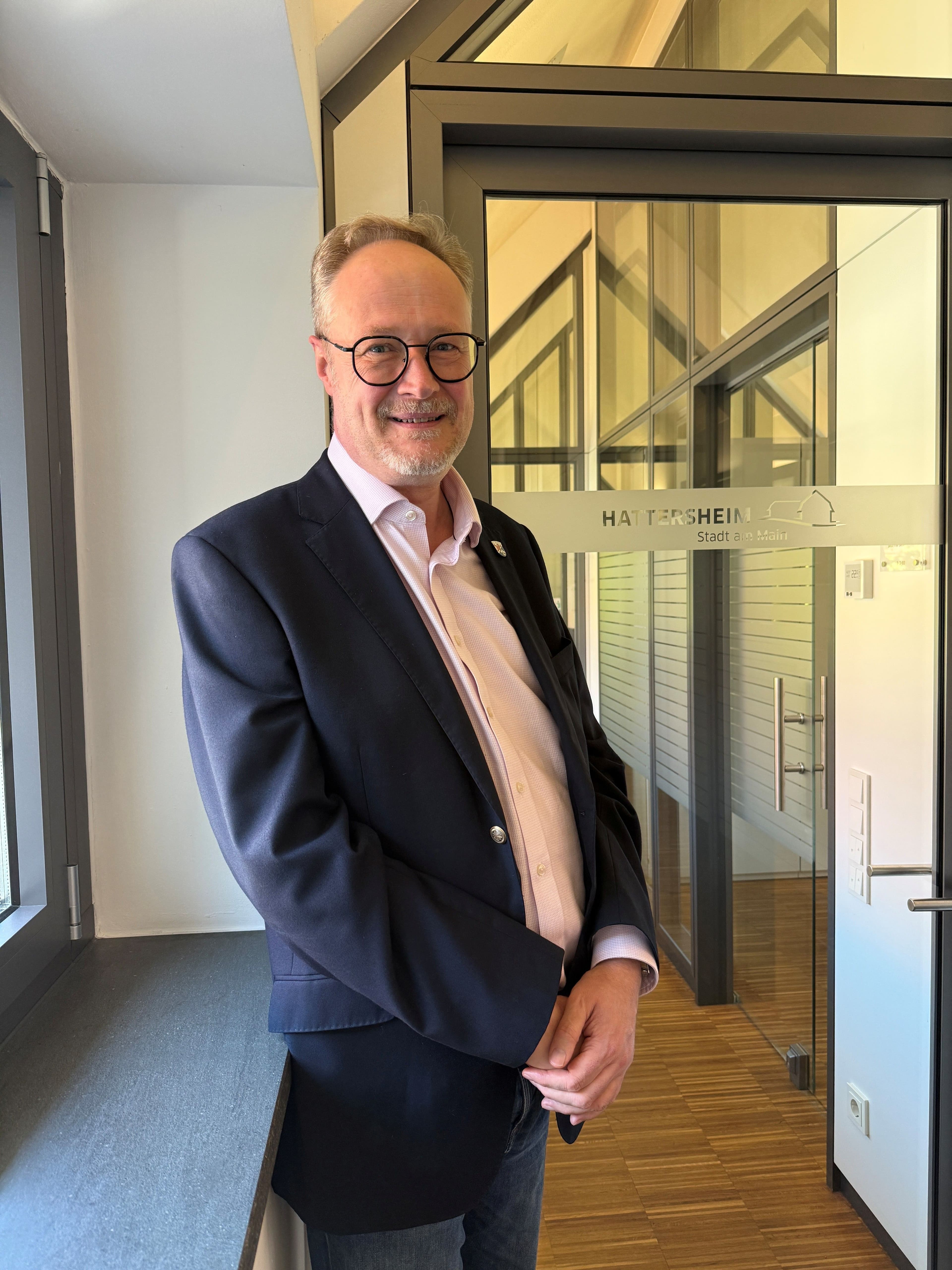
Achim Janssen
Achim Janssen is Chief Digital Officer (CDO) of the city of Hattersheim am Main. Drawing on over 30 years of IT experience, he demonstrates how municipal administrations can approach digitalisation pragmatically and create user-friendly solutions for citizens.

Sabine Junginger, PhD
Professor Sabine Junginger, PhD, heads the Civic Design Research Group at Northumbria University. She discusses the fact that digital inclusion has an expiration date and highlights the importance of human-centered design for evidence-based policymaking.

Birgit Mager, Prof.
Professor Birgit Mager is president of the Service Design Network. She demonstrates how service design shapes the future of the public sector by transforming administrations into enablers and citizens into active participants.

Marta Malesinska
Marta Malesinska is a policy analyst and designer at the European Commission's EU Policy Lab. She demonstrates how future personas make democratic futures tangible while simultaneously highlighting the design challenge of whose values will be represented in the future.
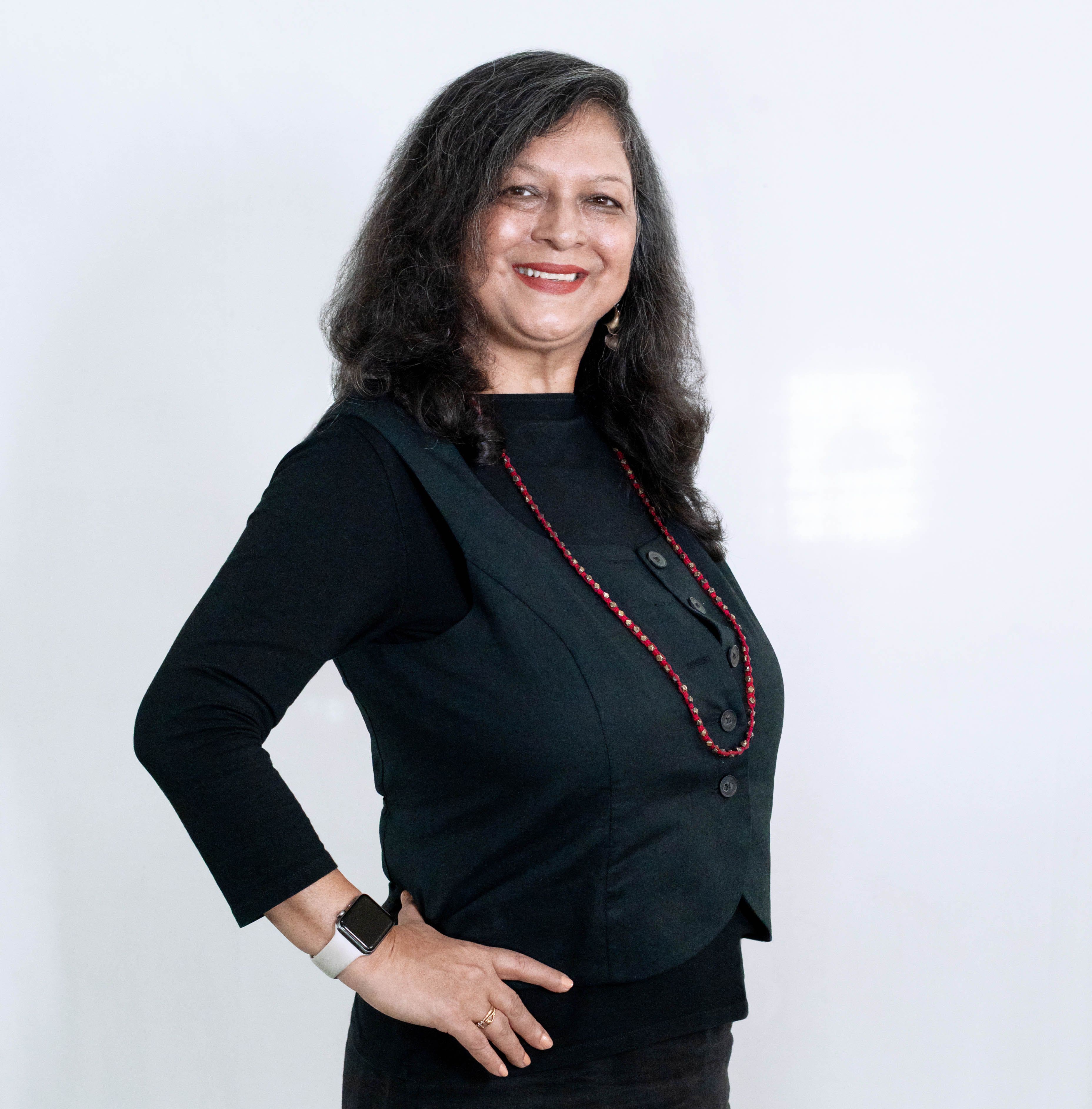
Sonia Manchanda
Sonia Manchanda is a board member of the WDO and founder of Spread Design. In her presentation, she discusses the role of design in shaping governance and demonstrates how public-private-people partnerships promote active, participatory democracy.

David Martens
David Martens is a designer and foresight practitioner at the EU Policy Lab of the European Commission. In his contribution Don't say it, play it!, he presents the Foresight Theatre Lab, demonstrating how embodied and theatrical methods make relational systems tangible to inform innovative policymaking.

Georg Nikolaev
Georg Nikolaev heads the future-oriented project of the state capital Wiesbaden. He demonstrates how administration can test new approaches and how experiments can generate concrete impulses for user-oriented, future-proof administrative practices.
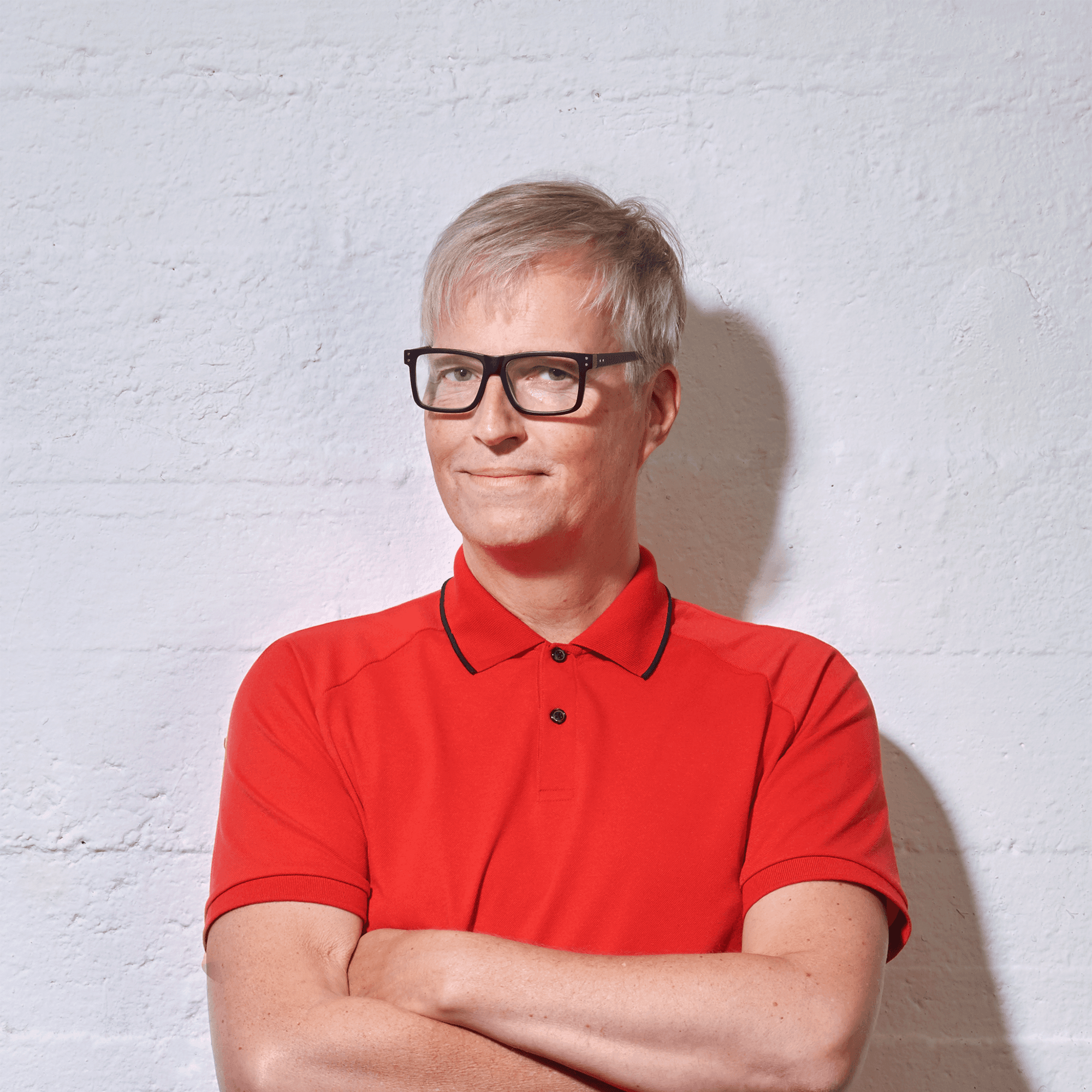
Peter Post, Dipl. Designer
Peter Post is a brand and service design consultant and founder of Circular-Experience.org. In his article, he presents an approach that aims not only to persuade people, but also to enable genuine action for the circular economy through user-centered services and communication.
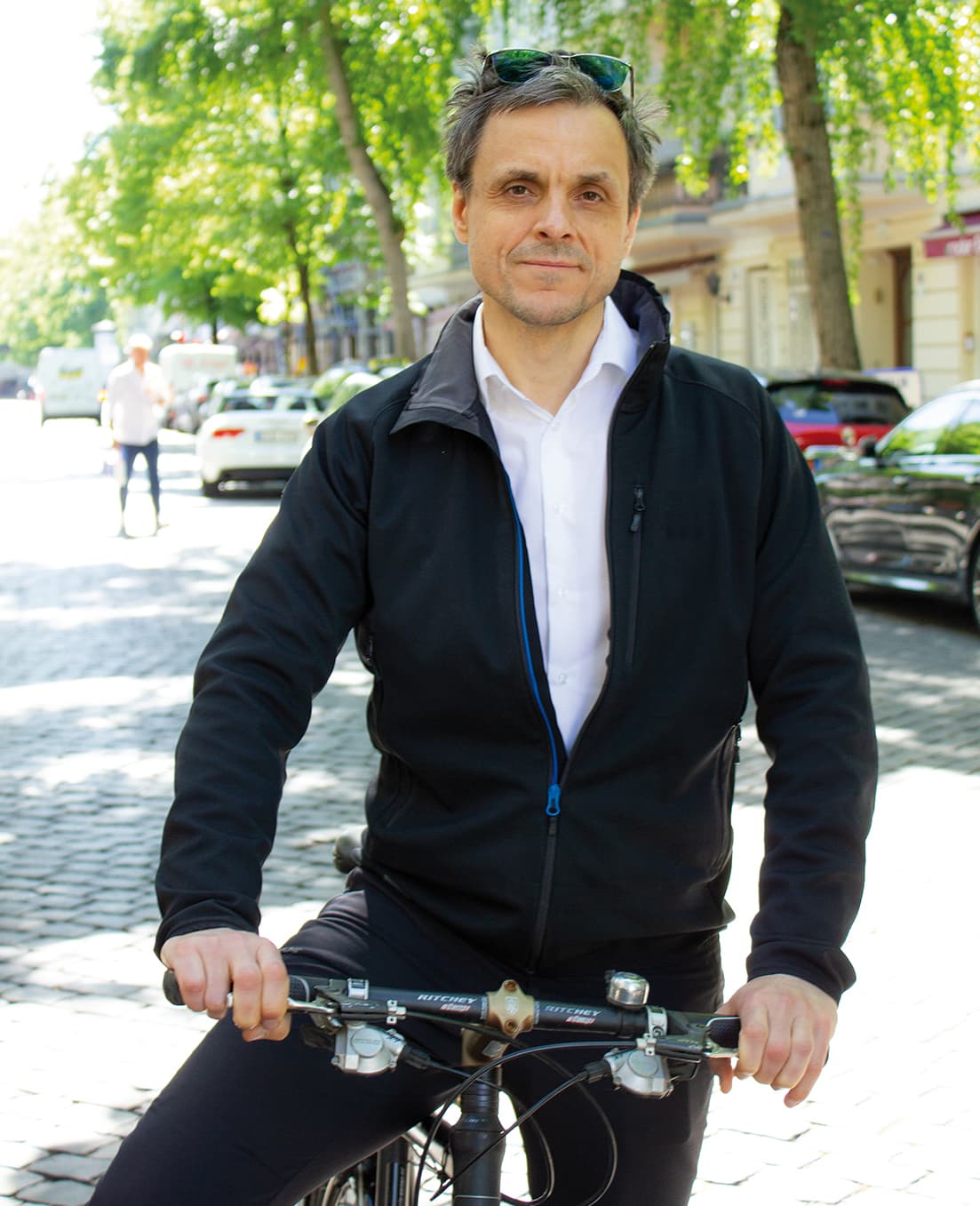
Markus Schulz
Markus Schulz is the co-founder of Klima-Taler.com. In his article, he explains how good public services can be designed on a human scale to translate political goals into practical, everyday possibilities and create societal benefits.
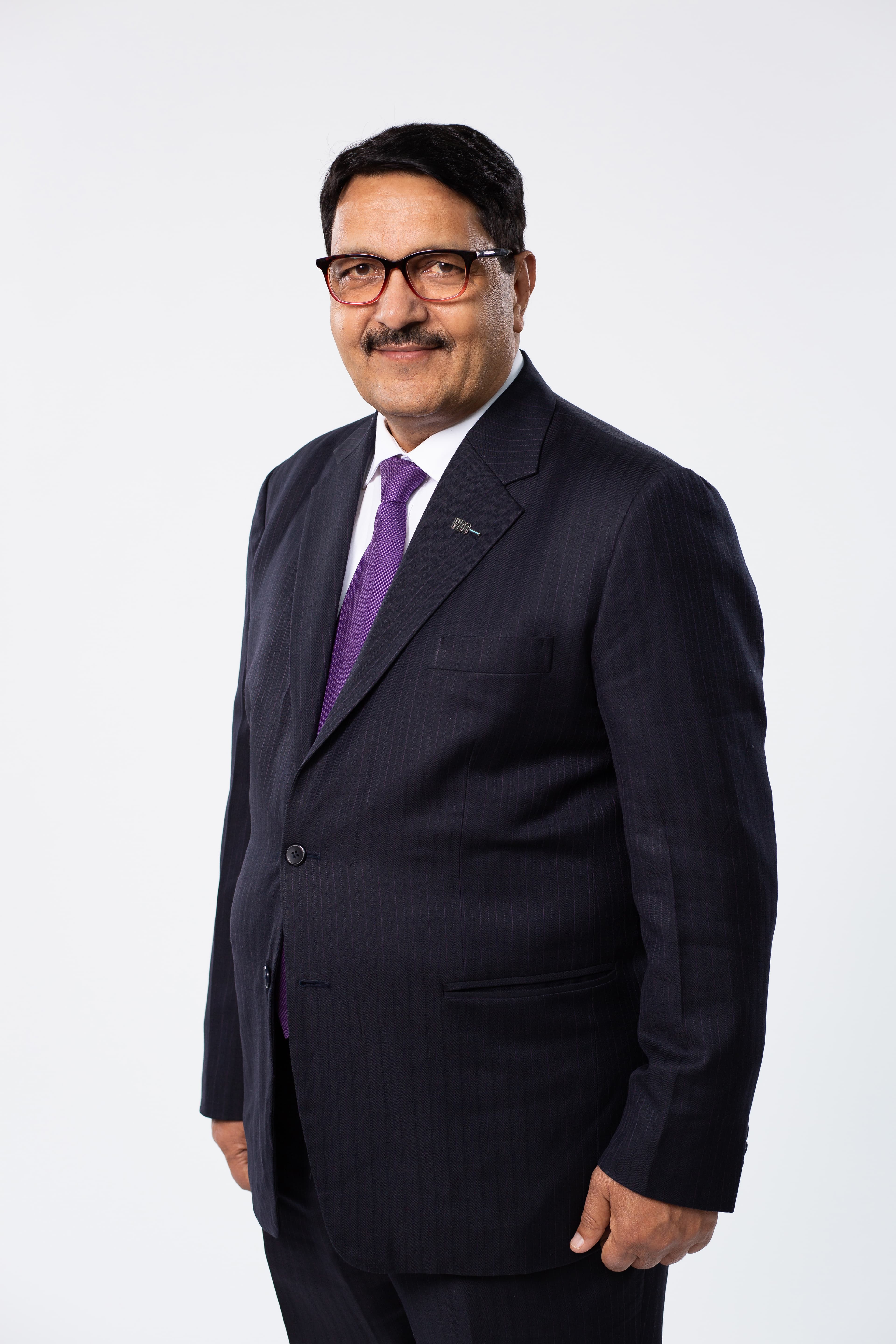
Pradyumna Vyas, Prof.
Professor Pradyumna Vyas is President of the World Design Organization. In his contribution, he illustrates how design policy enables the transition from individual projects to systemic change in order to address societal challenges and improve people's lives.
 ©Manuela Bust
Tobias Witt
Tobias Witt is Service Design Lead at CityLAB Berlin. In his article, he makes it clear that the digitalization of public administration will only succeed if the underlying processes are considered and employees are able to embrace the changes.
How to get to the venue: