
Design Policy Days
When Design Gets Political
Deutscher Designtag e. V., Forschungszentrum „Normative Ordnungen“ der Goethe-Universität Frankfurt am Main
...
The third day of the Design Policy Days at Goethe University Frankfurt is aimed at anyone who views design as a political force. In collaboration with the German Design Day and the Research Centre for Normative Orders, it focuses on institutional politics: how can design be integrated into political decision-making processes methodologically, structurally and normatively – and how can politics itself be understood as a field of design?
The day is divided into three tracks: DEBATE addresses the major challenges of our time through round-table discussions on the interplay between design, politics and academia – across four fields: civil society, digital sovereignty, transformation and state reform. REFLECT forms the track focusing on political science and design studies, in which projects are presented and the questions raised are given a theoretical framework. ACT enhances the conference with workshops and an exhibition of international best-practice examples, bringing to life how design is already acting as a political force for change today. The outcomes of the day will be incorporated into the finalisation of the Design Action Plan Frankfurt RheinMain.
Also on the programme: Europe by Design. Because Europe’s future does not happen by itself – it is shaped. In the ACT track, 21st Europe, with Blueprints for the Future of Europe, explores design as a capacity of civil society to play an active and creative role in shaping Europe’s direction. And for those who want not just to discuss democracy but to change it, the workshop organised by Mehr Demokratie e. V. provides the space to do so – from one’s own neighbourhood right up to the global level.
To round off the day, the Hessian State Prize for Universal Design will be presented by Finance Minister Alexander Lorz and State Secretary Manuela Strube. The prize has been awarded every two years since 2013 by the Hessian Ministries of Finance, Social Affairs, and Economic Affairs and Transport, under the patronage of Minister-President Boris Rhein. It recognises products, projects and services that break down barriers: in the digital sphere, in the built environment and in everyday life.
Workshops:
21st Europe, Mehr Demokratie e. V., the German Society for Design Theory and Research (DGTF) in collaboration with the Bureau of European Design Associations (BEDA)
Key themes:
- Design as a democratic competence: the normative foundations of design and democracy
- Design in Government & Design Policy: international perspectives from Europe to Asia
- Civil society, digital sovereignty, transformation and state reform as areas for design
- Democratic innovation formats: citizens’ assemblies, civic prototyping, new models of representation
- From analysis to action: the Frankfurt RheinMain Design Action Plan
Programme:
from 09:00 Registration
09:30–09:45 Welcome and thematic introduction
09:45–11:15 International panel
11:30–12:45 Session 1 – parallel tracks on the following topics: DEBATE; State reform (roundtables) · REFLECT: Policy Design (keynotes) · ACT: Workshops & exhibition
13:00–14:15 Session 2 – parallel tracks on the following topics: DEBATE Digital Sovereignty (roundtables) · REFLECT Designing Democracy (keynotes) · ACT Workshops & exhibition
14:15–15:30 Lunch break [Self-catering]
15:30–16:45 Session 3 – parallel tracks on the following topics: DEBATE Civil Society (roundtables) · REFLECT Design in Government (keynotes) · ACT Workshops & Exhibition
17:00–18:15 Session 4 – parallel tracks on the following topics: DEBATE Transformation (roundtables) · REFLECT Civic Prototyping & Citizen Assembly (keynotes) · ACT Workshops & exhibition
18:15–18:30 Break
18:30–19:15 Closing panel
19:15–20:15 Award ceremony for the Hessian State Prize for Universal Design
20:15–21:00 Drinks & networking
The event will be held in German and English, with automated simultaneous translation available in both directions.
Speakers
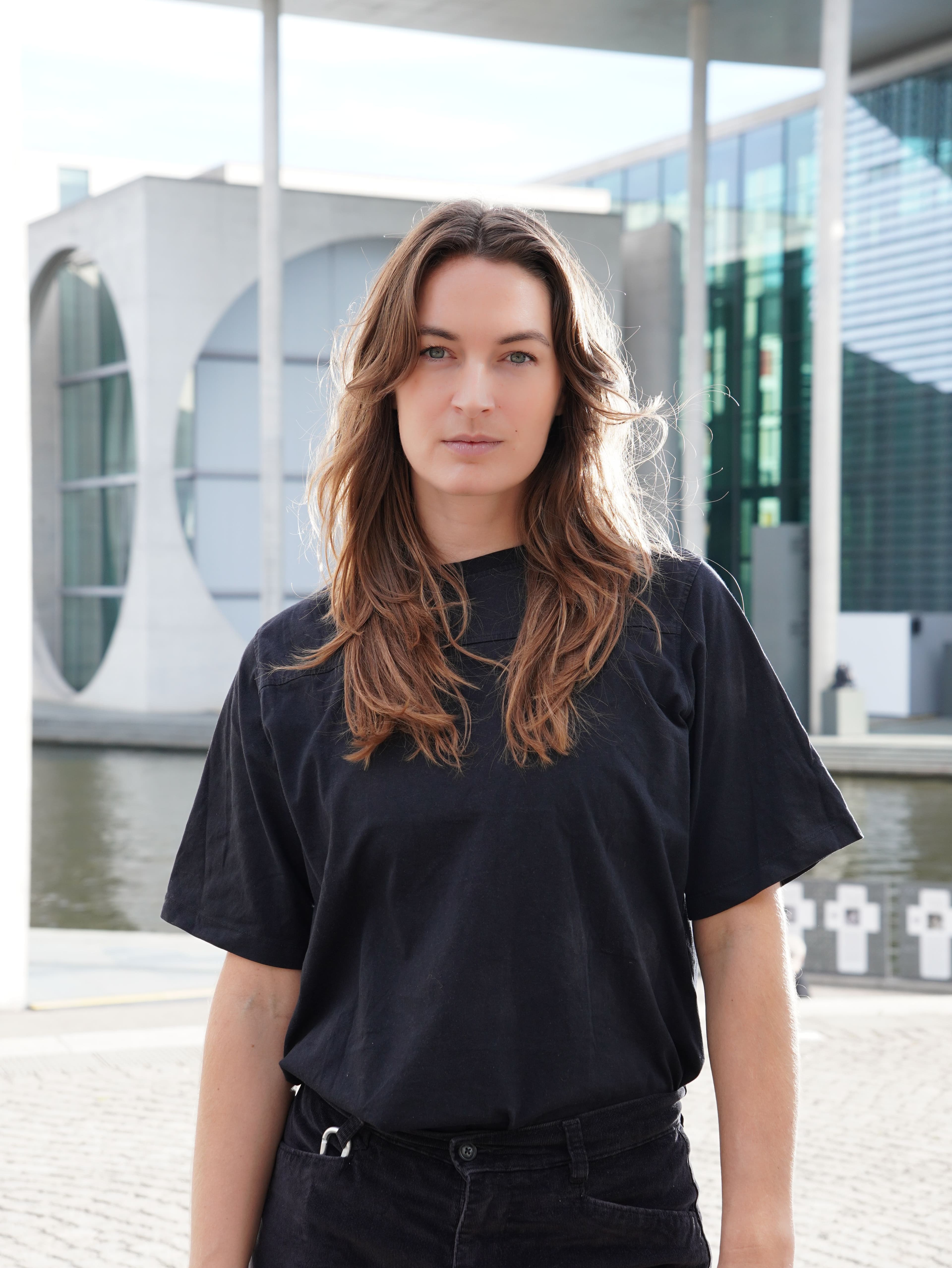
Juliane Baruck
Juliane Baruck leads the participation project Hello Bundestag. She is participating in the Civil Society Roundtable with her topic and discussing the affective dimensions of political representation and why representative democracy needs new approaches to its design.
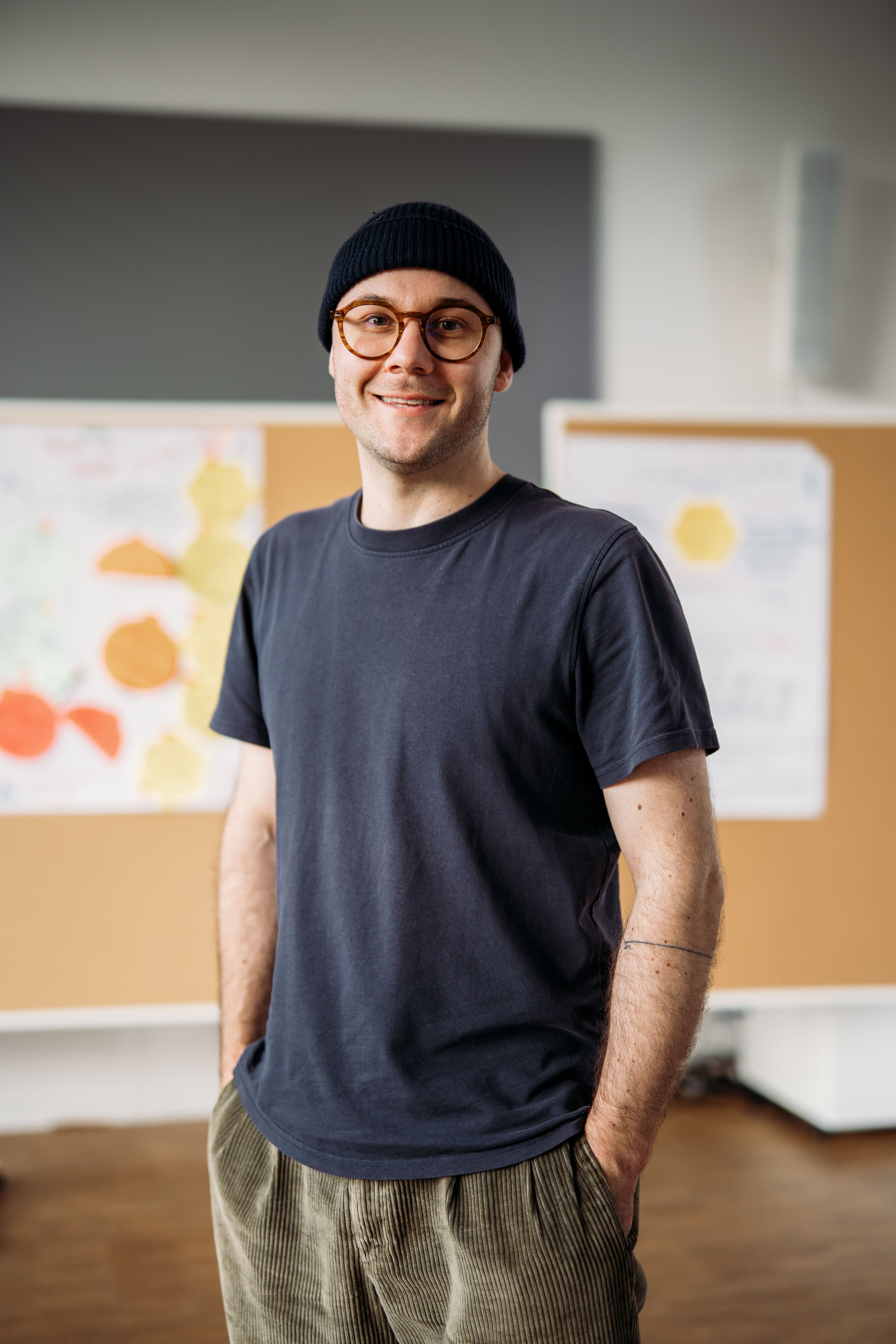
Philipp Cartier
Philipp Cartier heads the Gestaltungszentrale Politik e.V. (Design Center for Politics) and conducts research at the HFBK Hamburg (University of Fine Arts Hamburg). In his contribution, he demonstrates how politics and design can learn from each other by specifically integrating design methods and approaches into political negotiation processes.
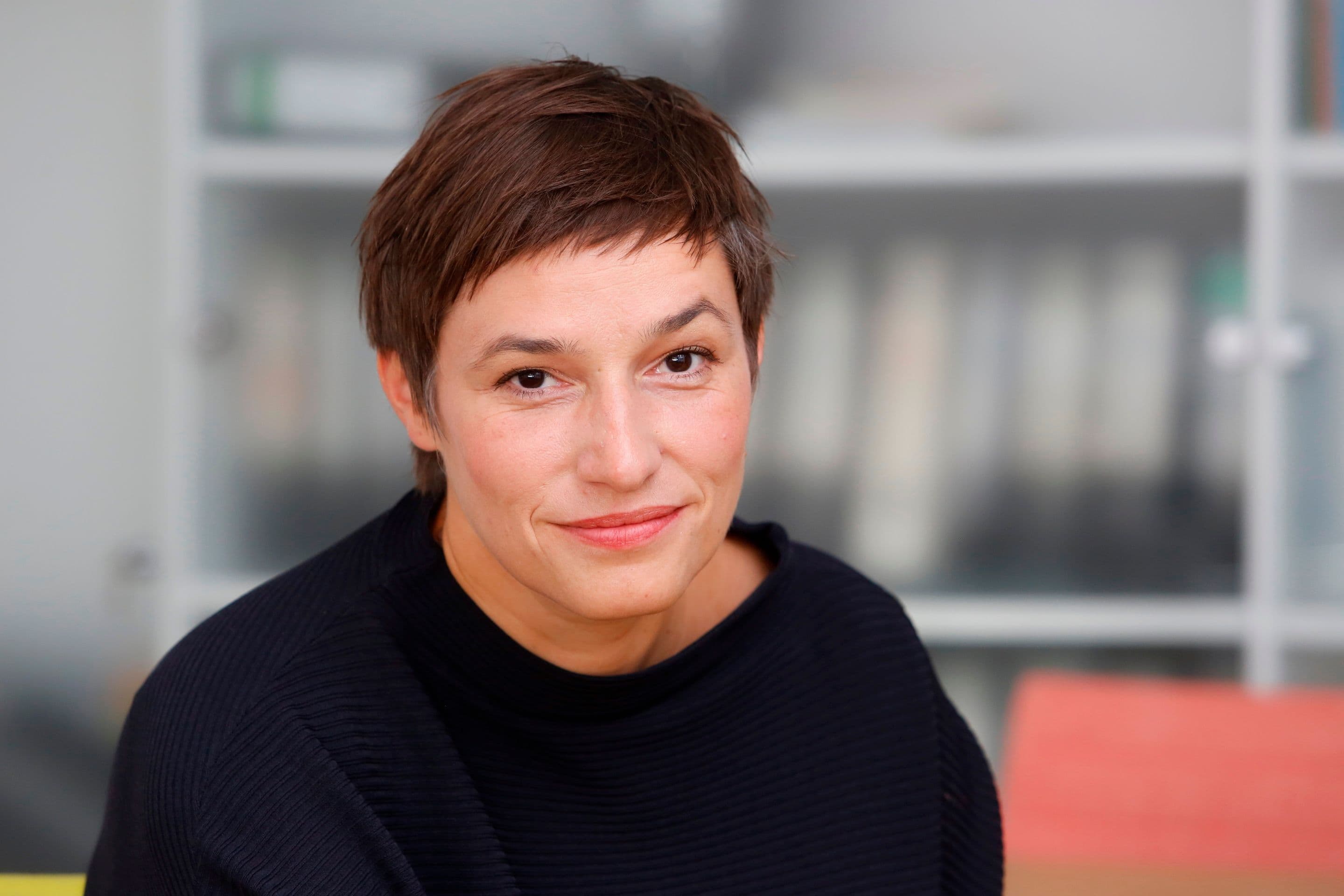 ©Foto: Uwe Dettmar
Nicole Deitelhoff, Prof. Dr.
Prof. Dr. Nicole Deitelhoff is Director of the Leibniz Institute for Peace and Conflict Research (PRIF) and Professor at Goethe University Frankfurt. In her panel presentation, she discusses how design can shape public spaces in such a way that citizens can come together and engage in constructive debate about their coexistence – a key to a vibrant democracy.
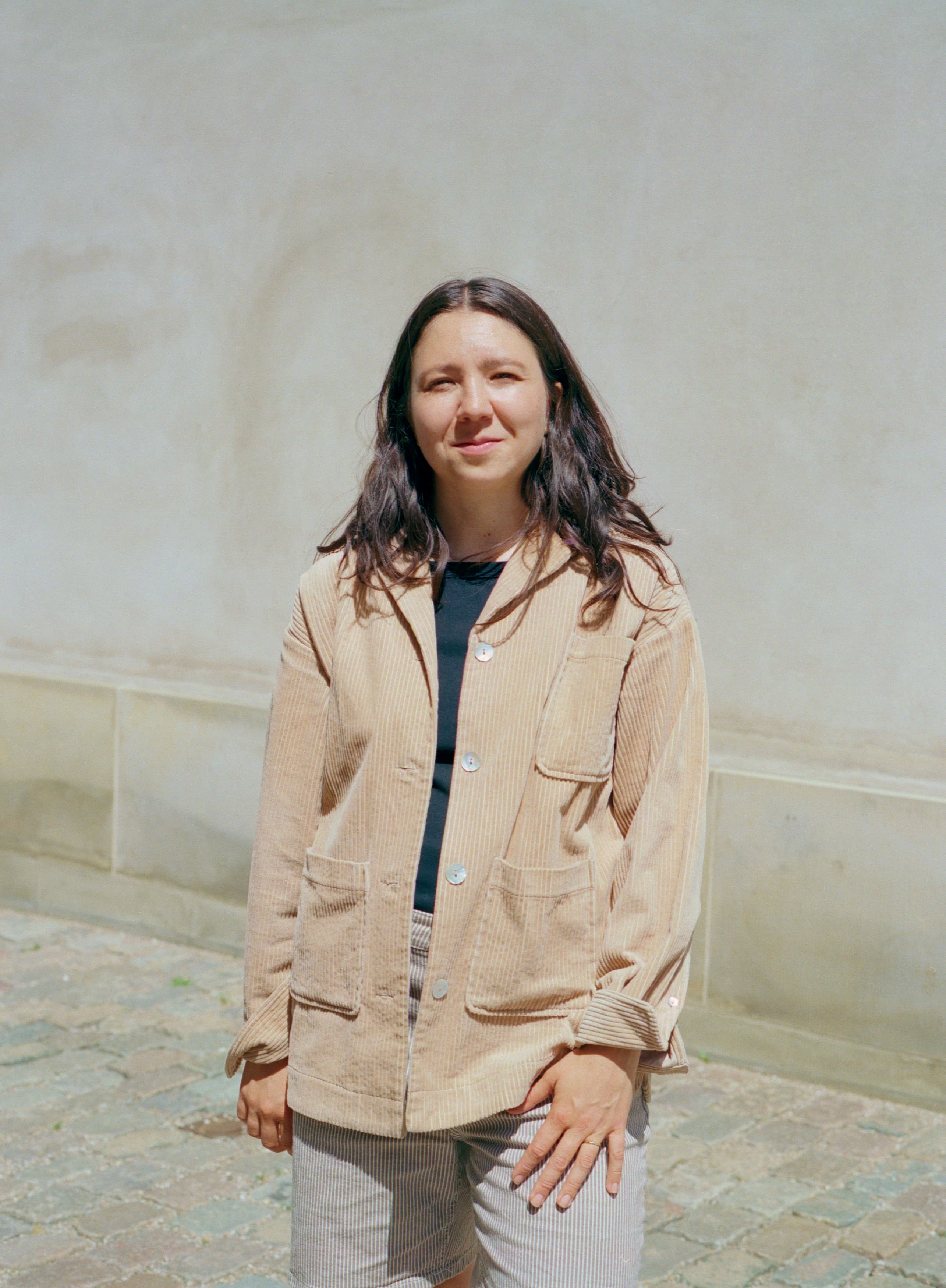
Johanna Fabrin
Johanna Fabrin is Managing Director at 21st Europe. In her article Europe by Design, she clarifies that design is not just about form, but a civil society skill for actively and decisively shaping the future of Europe.
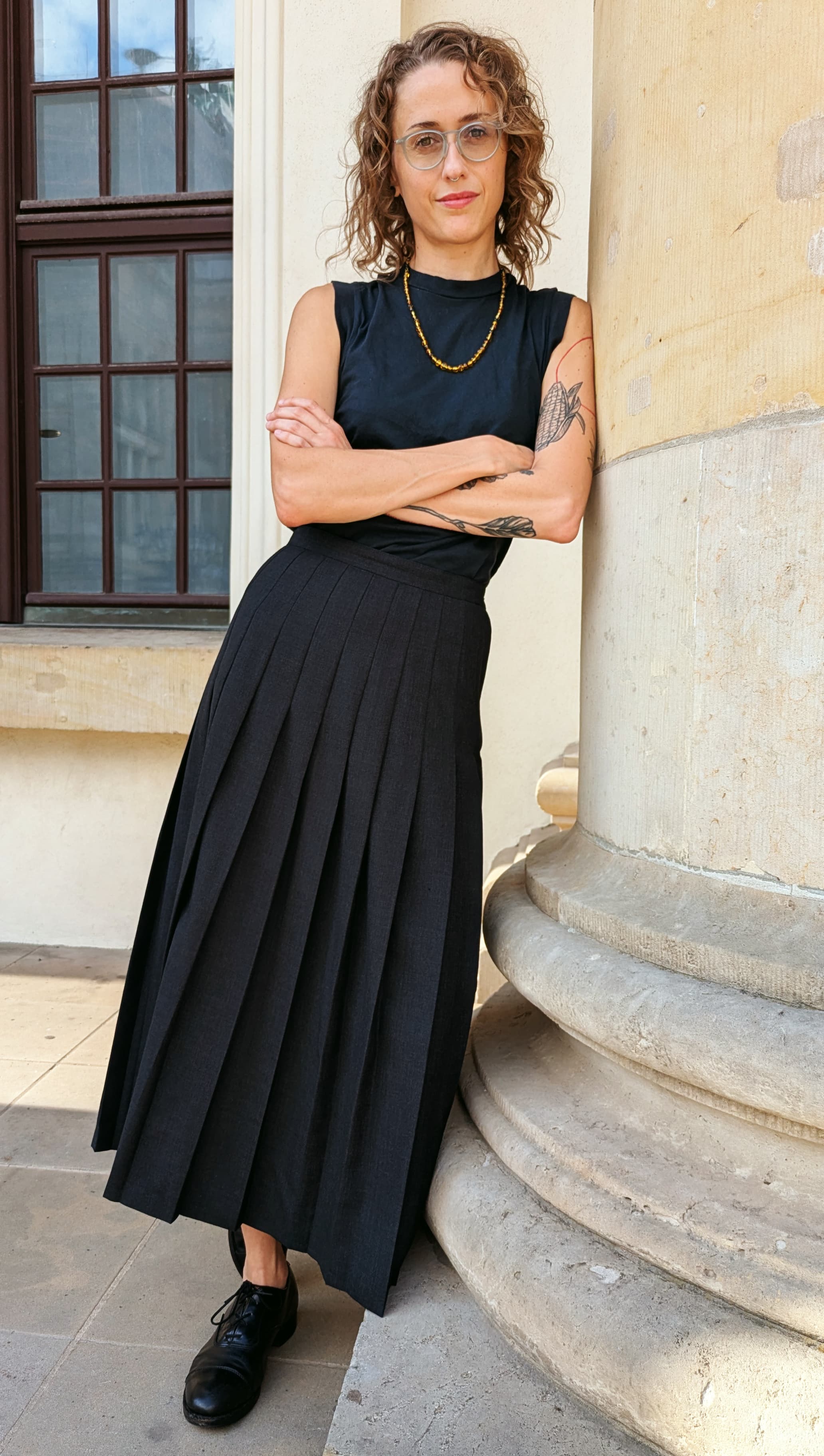
Anke Gruendel, Dr.
Dr. Anke Gruendel is the academic coordinator at the Leuphana Transformation Lab. In her contribution, she addresses how design impacts political processes and currently often functions more as a critical practice than as a concrete tool for policymaking.
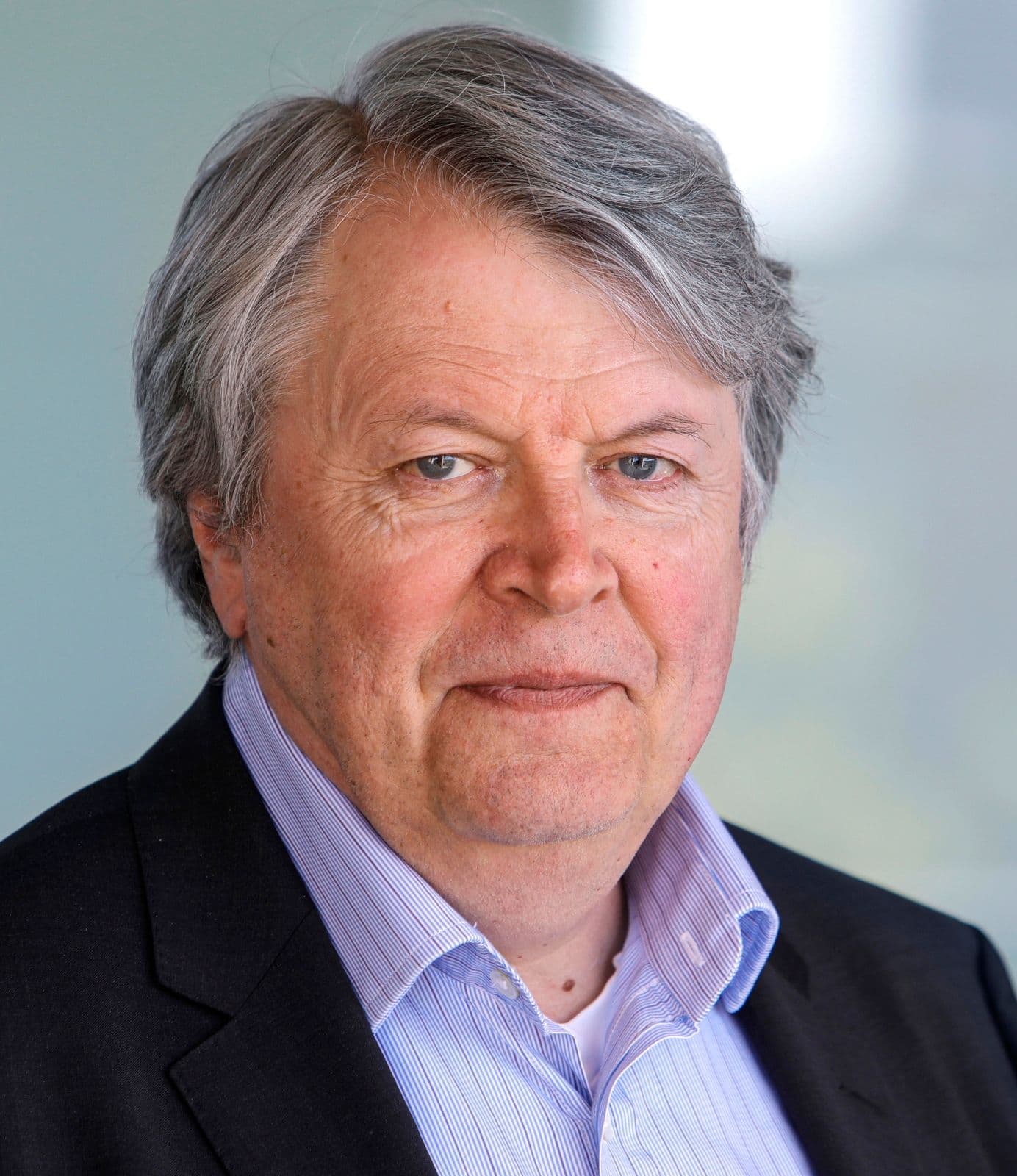
Klaus Günther, Prof. Dr.
Professor Dr. Klaus Günther is a Goethe Teaching Professor of Legal Theory and Criminal Law. In his contribution on state reform, he critically examines the purposes and target groups of state structural changes from a legal-philosophical perspective.
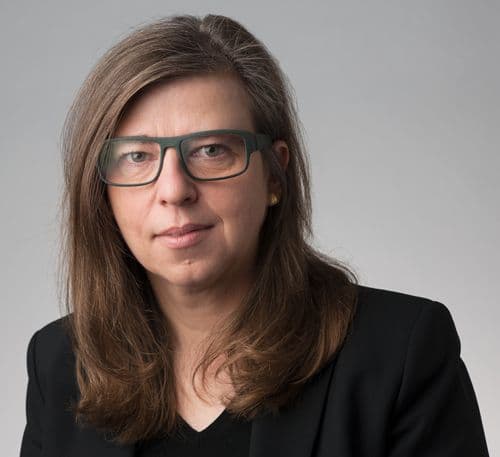 ©WOLFGANG HANKE
Regina Hanke, Prof.
Professor Regina Hanke is a professor of Communication Design & Design Management. She examines design policy as a lever whose value only fully unfolds through its interplay with instruments, stakeholders, and levels of governance.
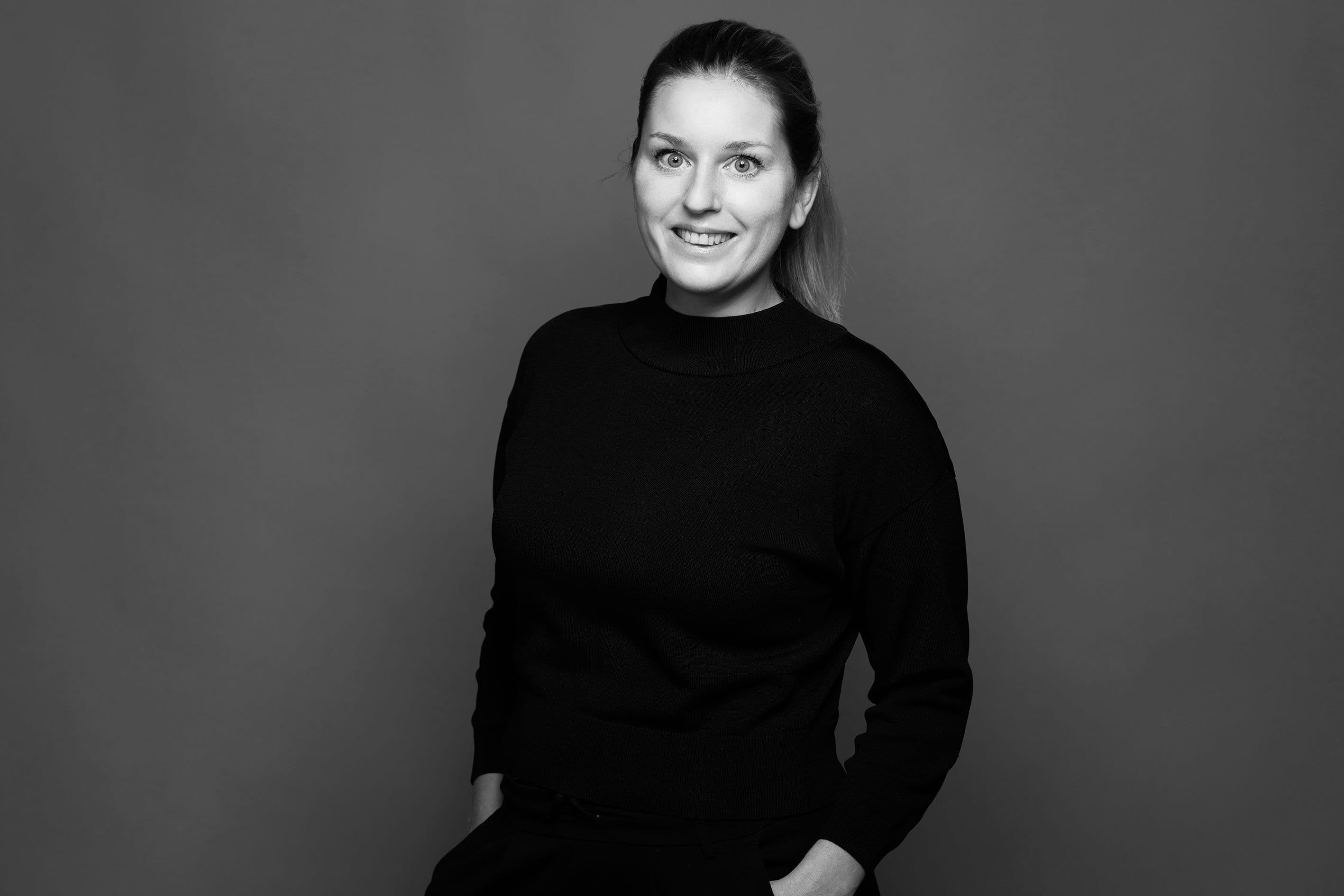 ©©2022 fotostudiocharlottenburg
Lynn Harles, Dr.
Lynn Harles is a Senior Design Researcher at the Competence Center for Transformation Design at Lucerne University of Applied Sciences and Arts and a board member of the DGTF. Her research focuses on transformative design at the intersection of digital sovereignty, eco-social transformation, and design policy as research policy.
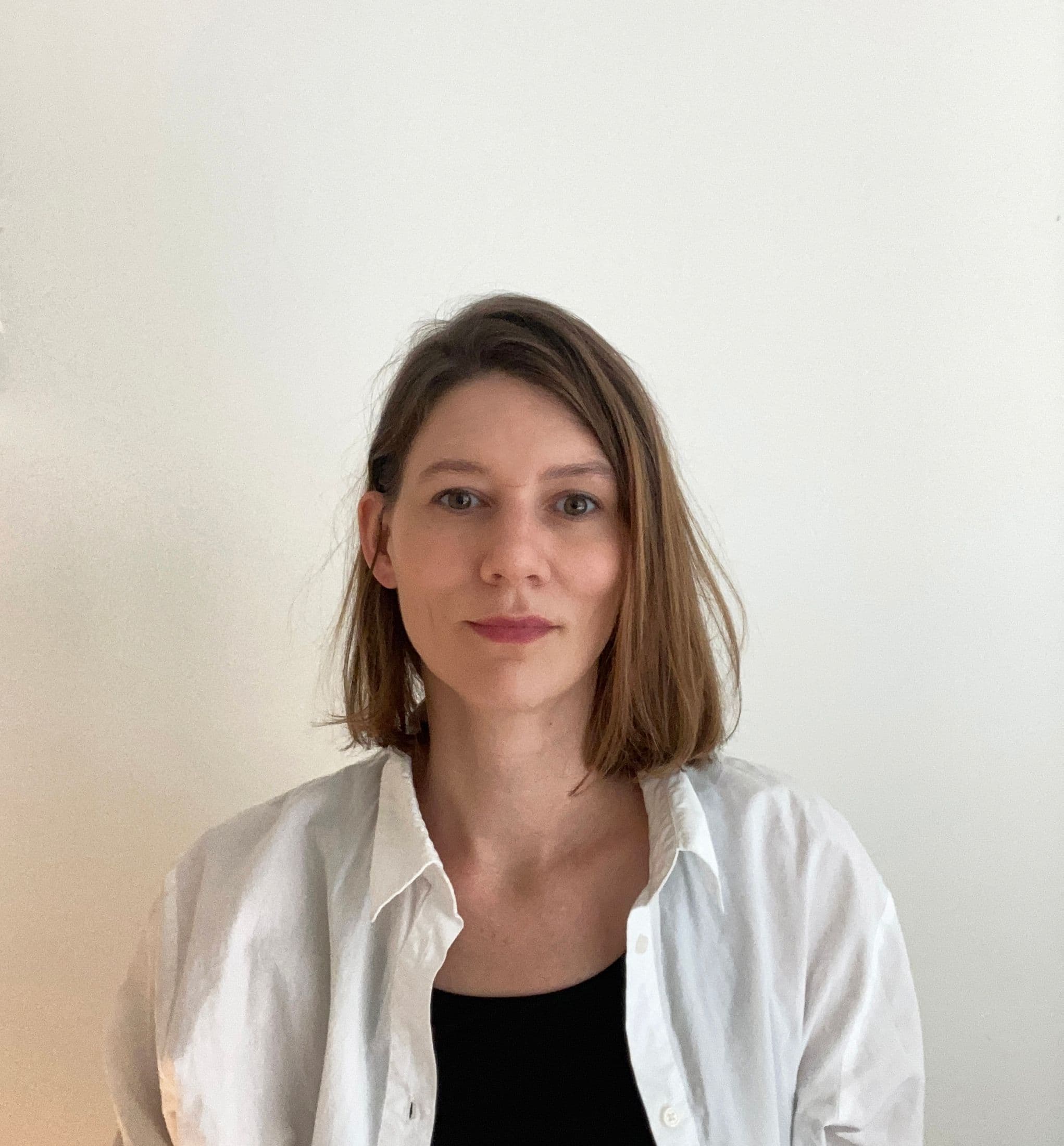
Greta Hauer
Greta Hauer is a design researcher and policy analyst at the European Commission's EU Policy Lab. In her presentation, she showcases pre-enactment simulation exercises to rehearse future crises, reveal unseen perspectives, and develop resilient public policies.
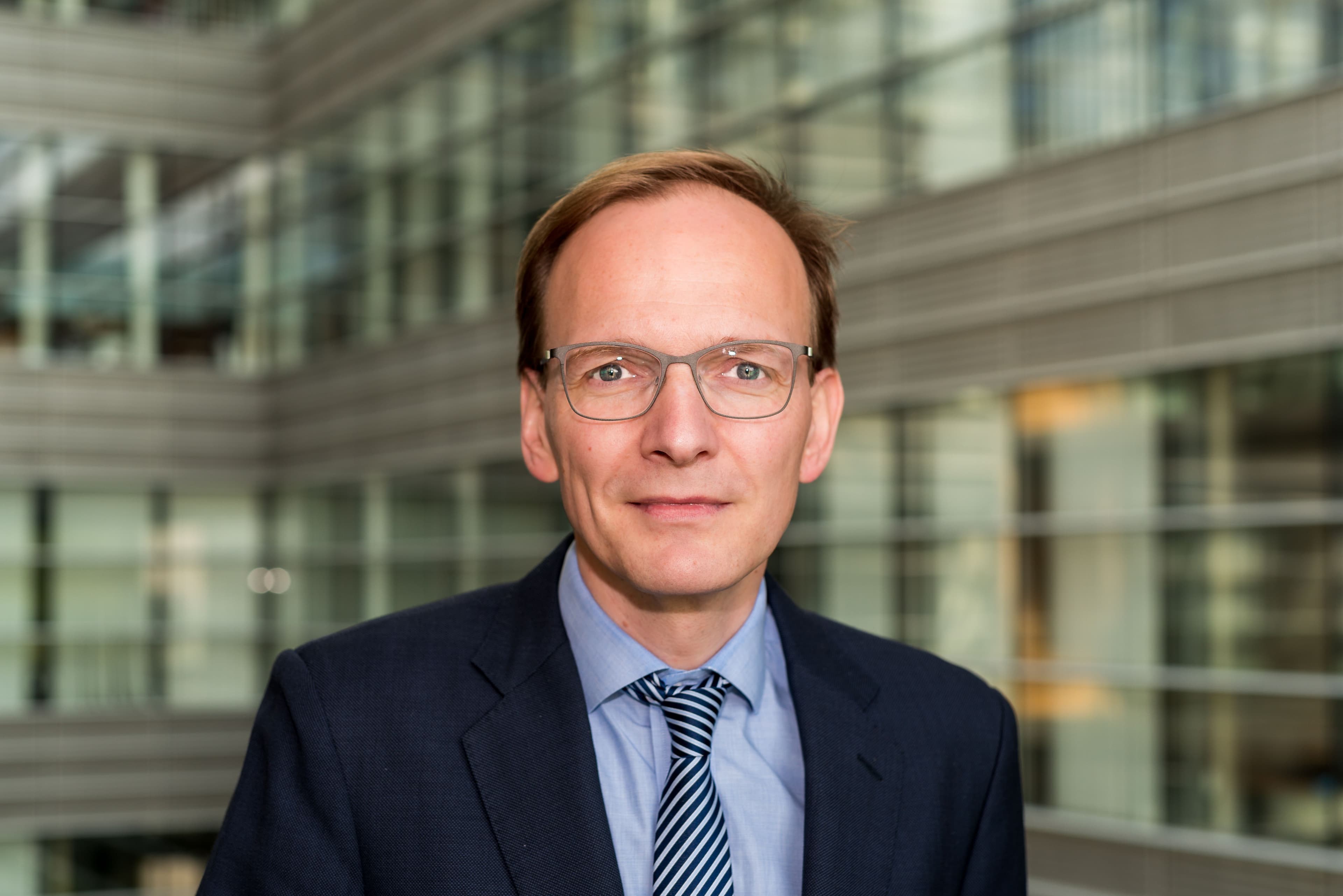 ©(c) Thomas Hemmelgarn
Thomas Hemmelgarn, Dr.
Dr. Thomas Hemmelgarn heads the EU Policy Lab of the European Commission. He provides insights into how collaborative, systemic, and forward-looking approaches are used to innovatively integrate scientific findings into EU policymaking.
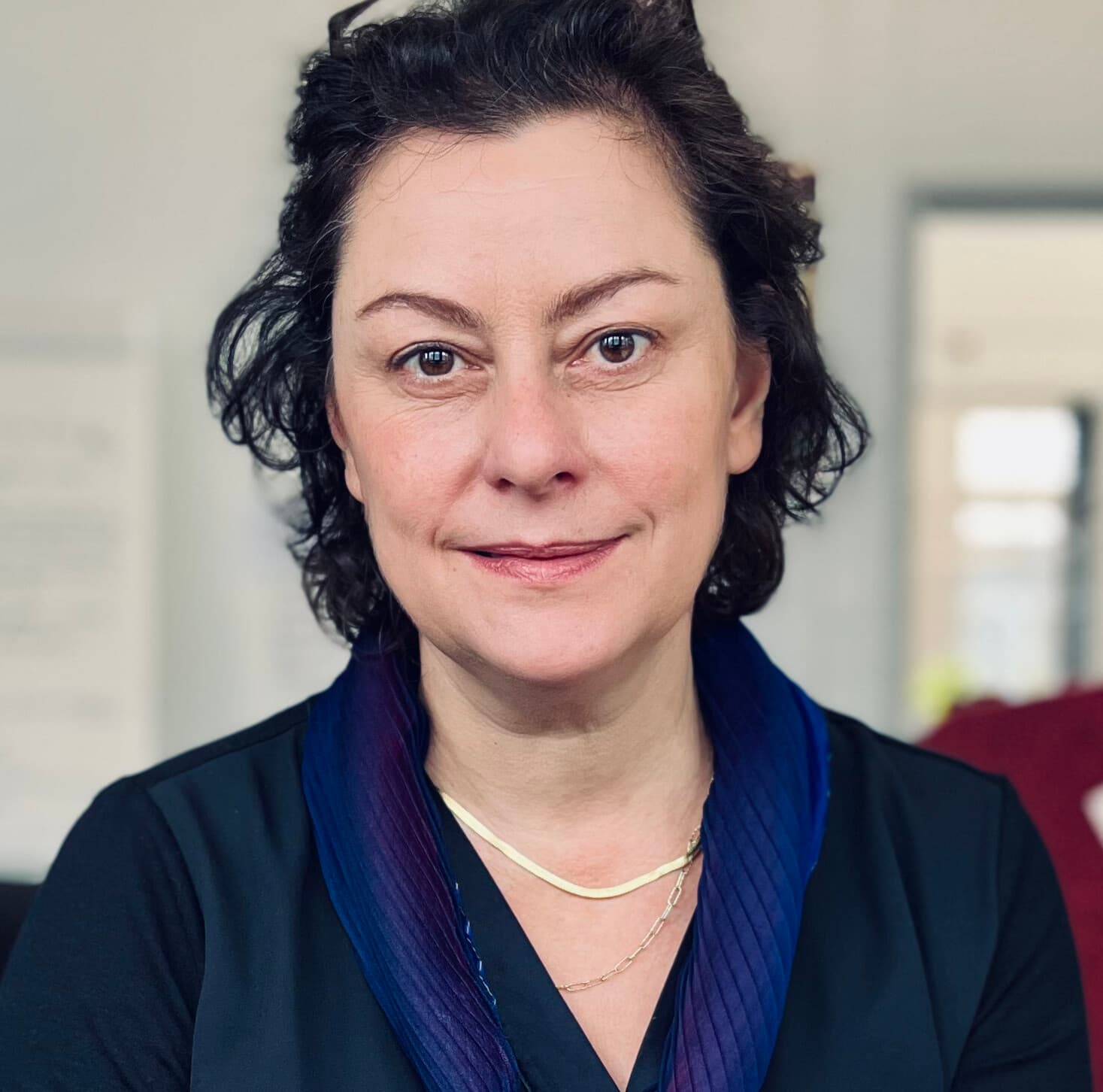
Bianca Herlo, Prof. Dr.
Prof. Dr. Bianca Herlo heads the Competence Center Transformation Design at Lucerne University of Applied Sciences and Arts and is chair of the DGTF (German Society for Design and Technology). She is participating in the roundtable on Digital Sovereignty with her topic and will discuss intersectional-feminist approaches to design research in order to shed light on digital inequalities and make social participation more equitable.
%2520Sacha%2520Gillen.jpg&w=3840&q=75)
Karin Huber-Heim, Mag.
Karin Huber-Heim holds the endowed professorship for circular economy and transformative business models at the University of Applied Sciences BFI Vienna. Her focus is on smart policy design to make transformative solutions in public services and everyday life simpler and more effective.
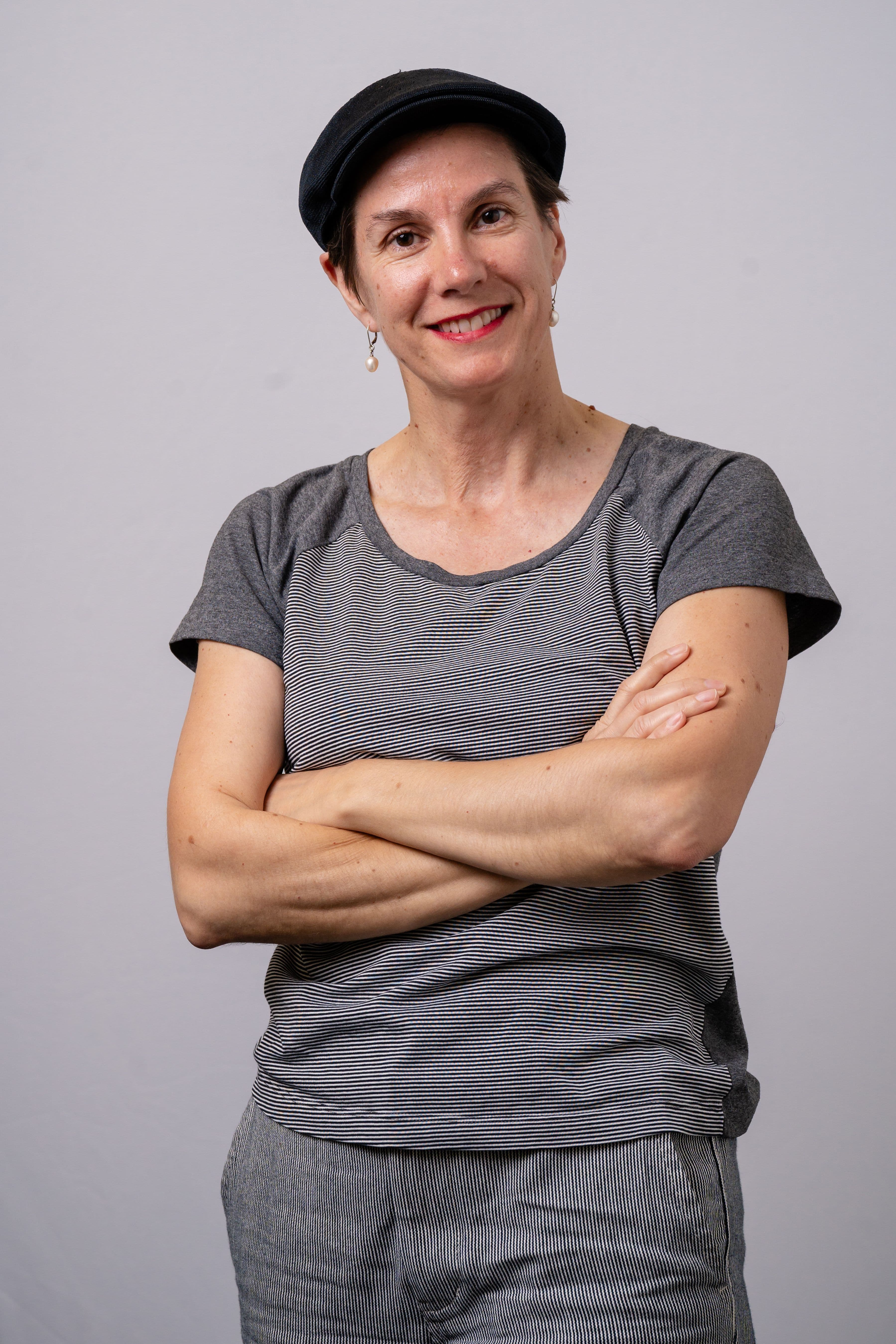
Sabine Junginger, PhD
Professor Sabine Junginger, PhD, heads the Civic Design Research Group at Northumbria University. She discusses the fact that digital inclusion has an expiration date and highlights the importance of human-centered design for evidence-based policymaking.
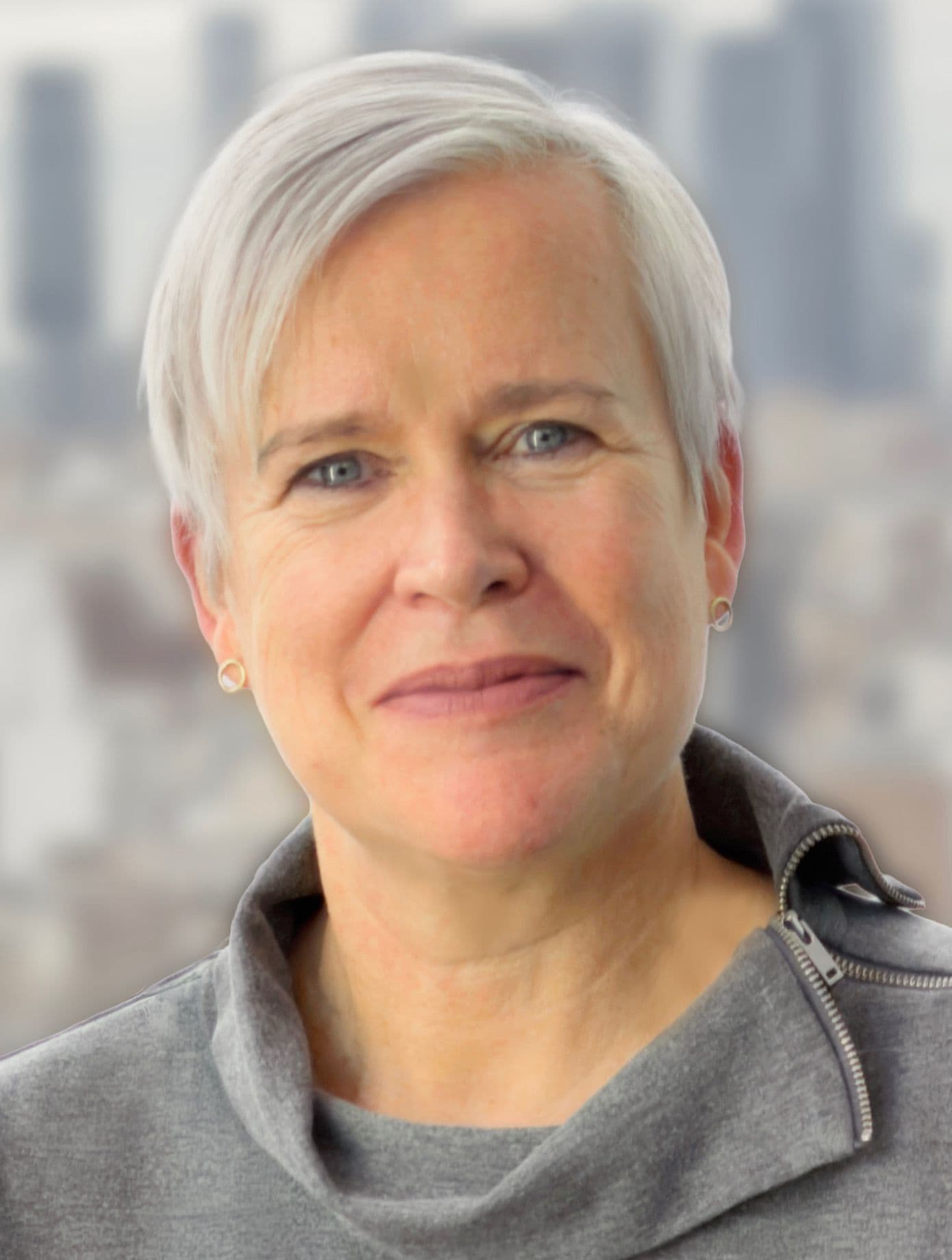
Lucy Kimbell, Prof. Dr.
Professor Dr. Lucy Kimbell is Professor of Contemporary Design Practices at Central Saint Martins, UAL. She addresses the risks and opportunities of anchoring design in public policy and calls for design to recognise its cosmopolitan responsibility.
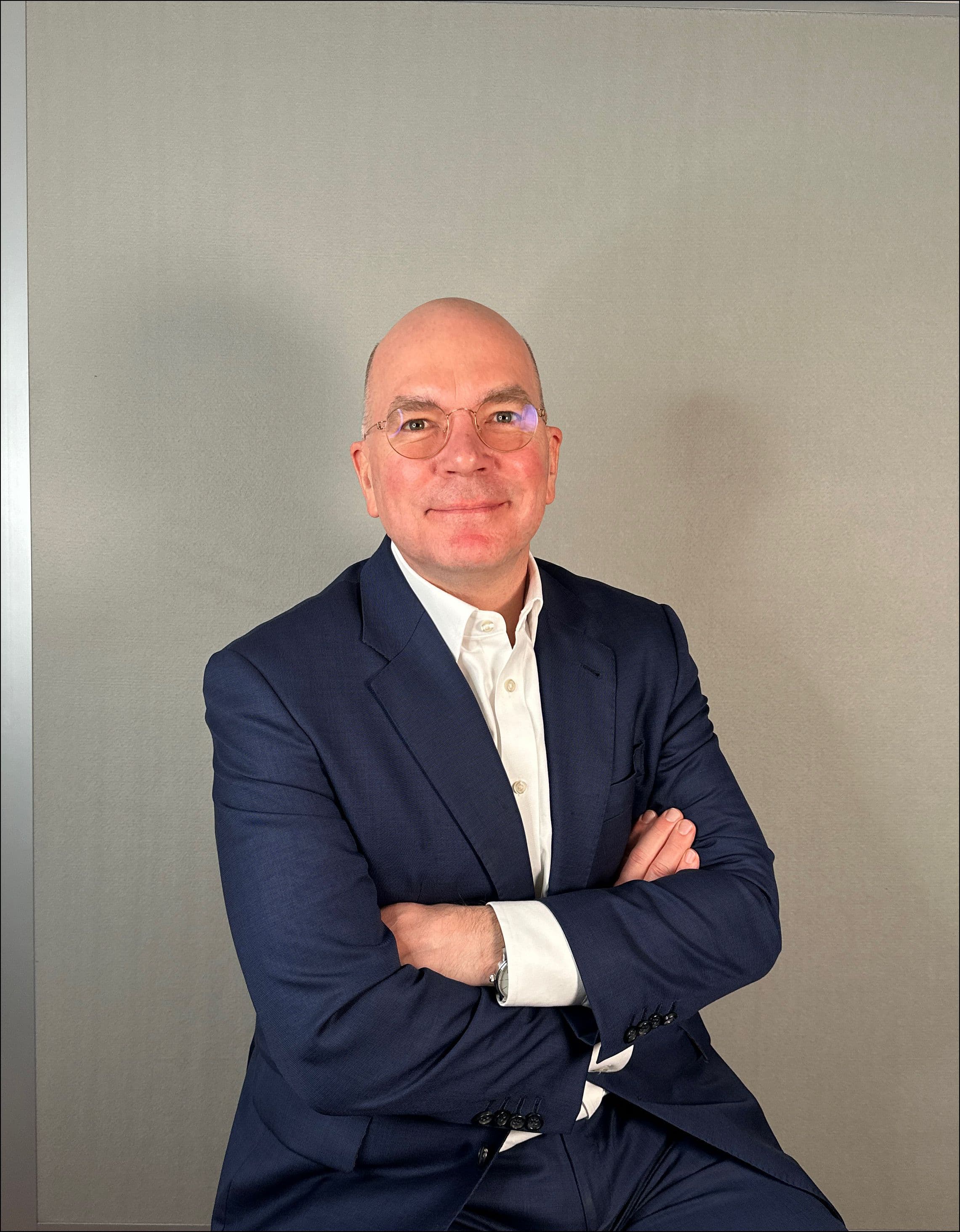
Martin Klonowski, Dr.
Dr. Martin Klonowski is the team leader for economic affairs in the Bureaucratisation Reduction Unit of the Hessian State Chancellery. He examines service design as an essential element of state modernisation, aiming to stimulate cultural change within public administration and reduce unnecessary bureaucracy.
 ©Michael Bundscherer
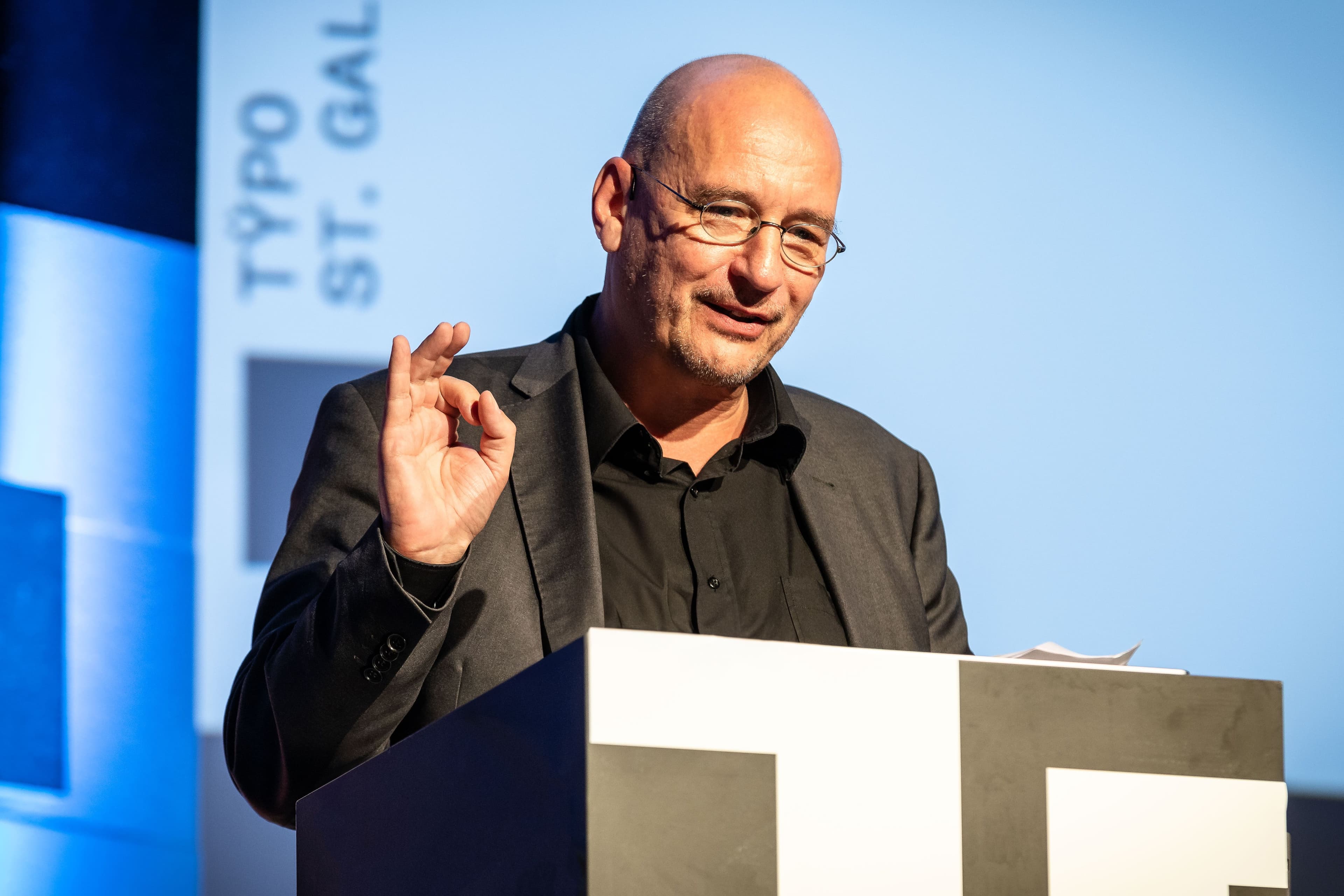
Boris Kochan
Boris Kochan is the president of the German Design Day. As an entrepreneur, designer, and consultant, he contributes his extensive expertise to the design of organisations and relationships, as well as to overarching design policy.
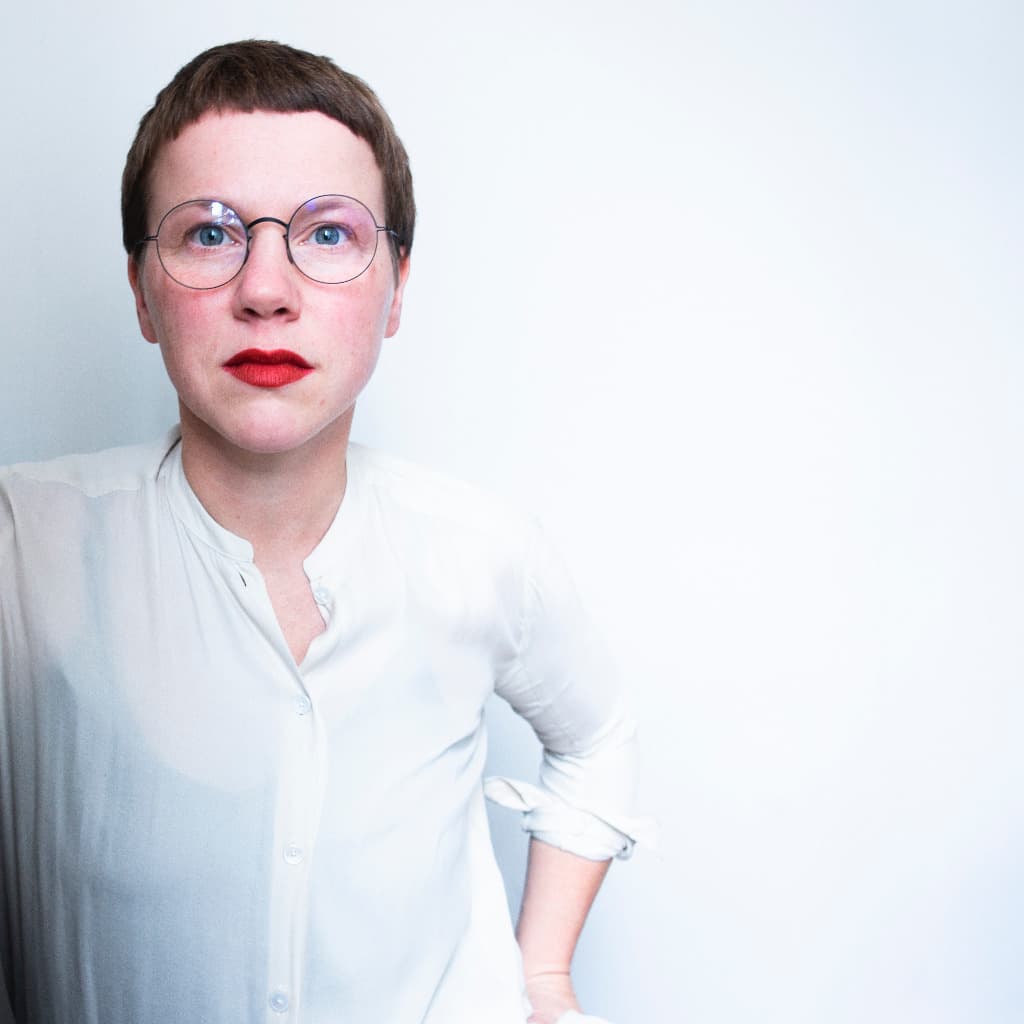
Maiken Laackmann, Prof.
Professor Maiken Laackmann is a professor of animation and 3D motion graphics at HSD Düsseldorf. In her contribution on digital sovereignty, she calls for actively occupying and shaping the digital public sphere in order to create non-commercial, open, and democratic alternatives.
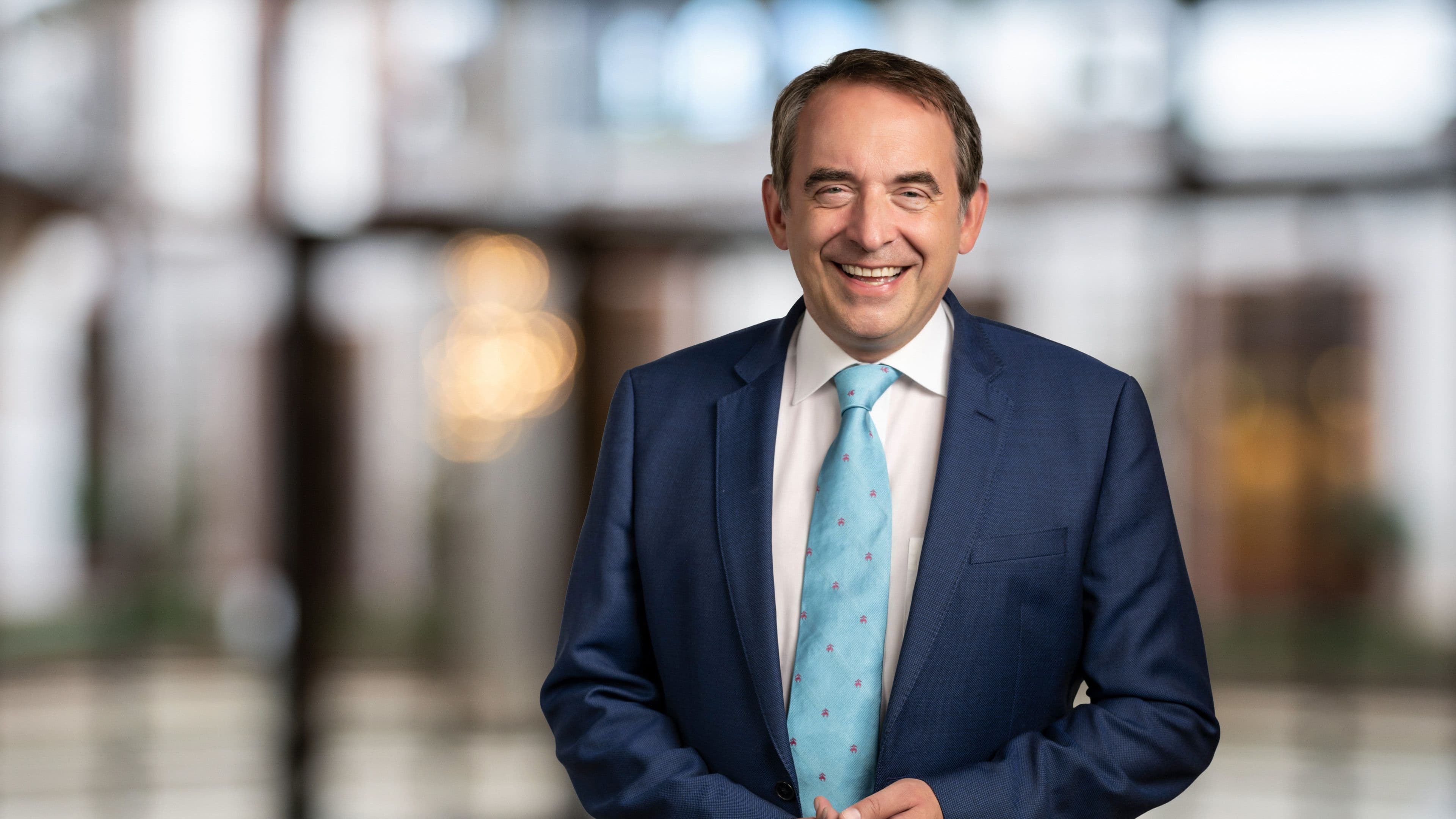
Ralph Alexander Lorz, Prof. Dr.
Professor Dr. Ralph Alexander Lorz is the Hessian Minister of Finance. At the closing panel, he argues that good policy shapes society: Universal design proves that removing barriers creates a society that supports everyone – digitally, analogously, and inclusively.
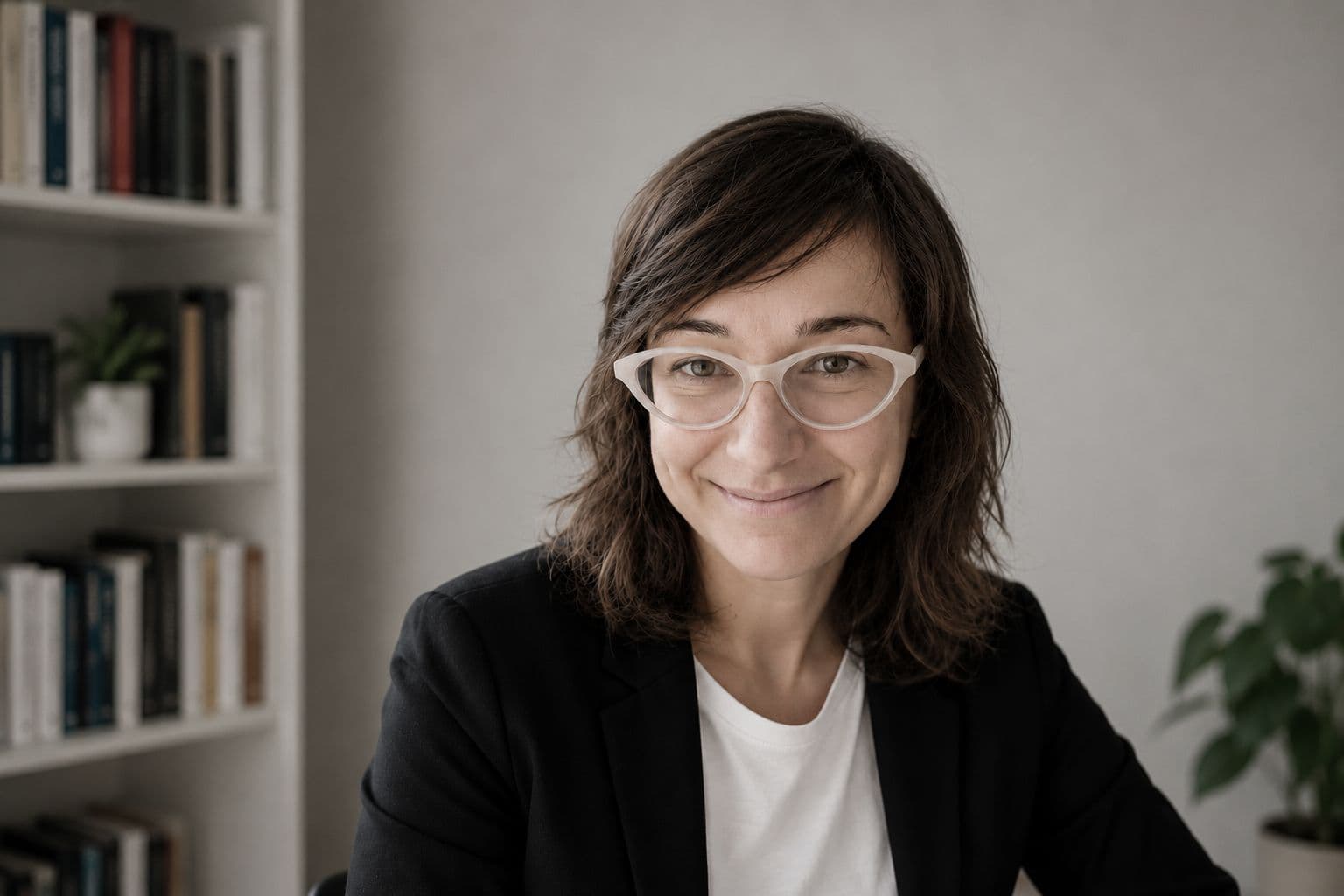
Marta Malesinska
Marta Malesinska is a policy analyst and designer at the European Commission's EU Policy Lab. She demonstrates how future personas make democratic futures tangible while simultaneously highlighting the design challenge of whose values will be represented in the future.

David Martens
David Martens is a designer and foresight practitioner at the EU Policy Lab of the European Commission. In his contribution Don't say it, play it!, he presents the Foresight Theatre Lab, demonstrating how embodied and theatrical methods make relational systems tangible to inform innovative policymaking.
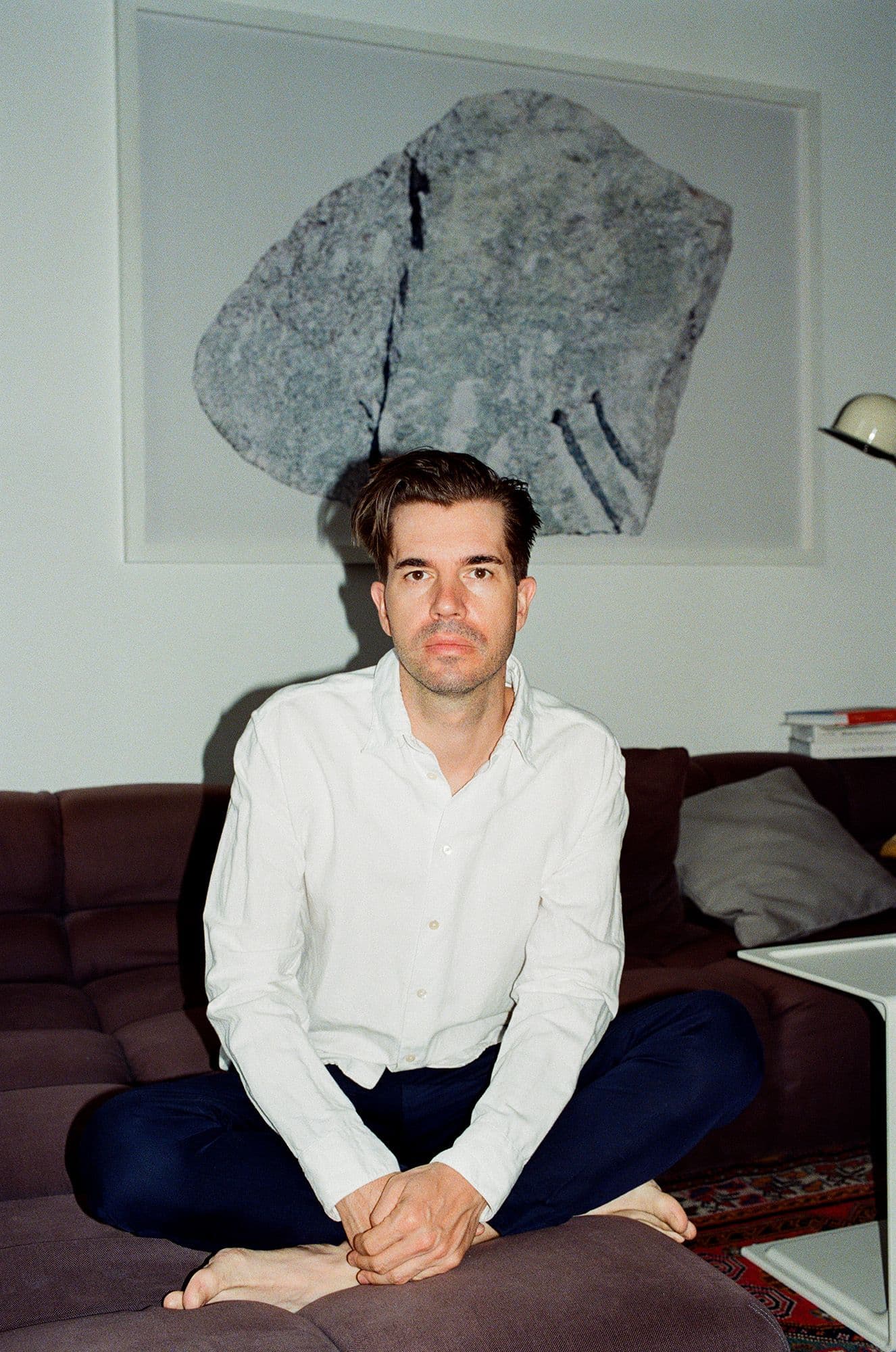
Markus Miessen, Prof. Dr.
Prof. Dr. Markus Miessen is an architect, author, and Professor of Urban Regeneration at the University of Luxembourg, holding the Chair of the City of Esch, and founder of Cultures of Assembly (COA). He presents The Esch Clinics, an applied research project establishing Luxembourg's first permanent citizen assembly.
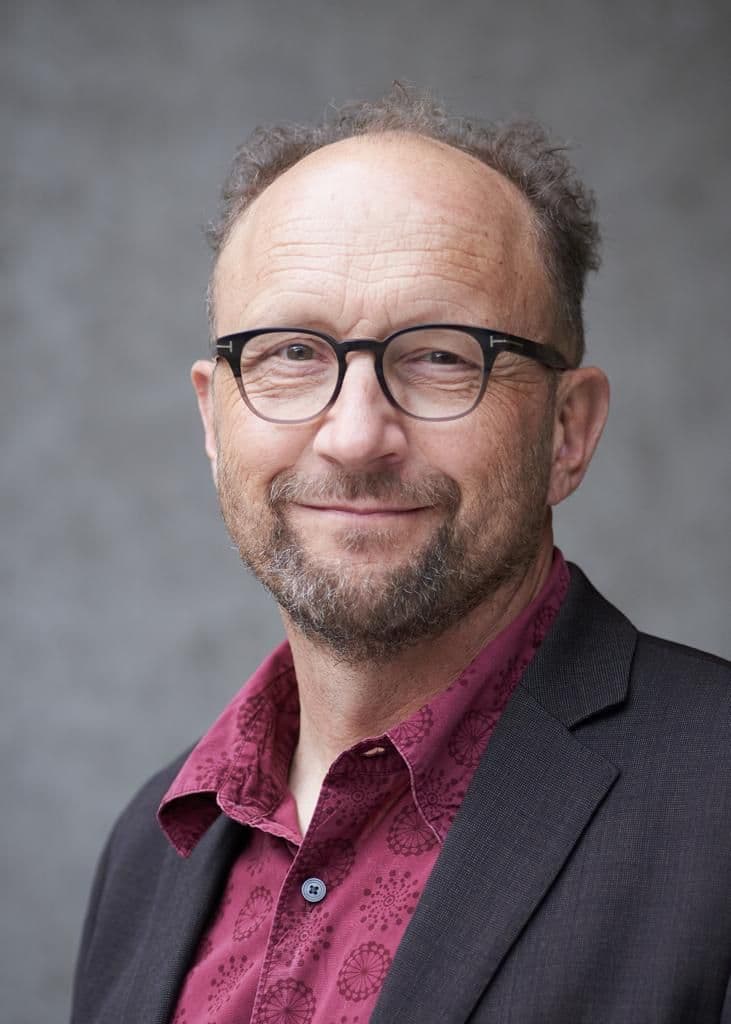
Darrel Moellendorf, Prof.
Professor Darrel Moellendorf is Professor of International Political Theory at Goethe University Frankfurt. In his article, he examines how the design of climate policy measures inevitably raises important questions of justice that require broad public discussion.
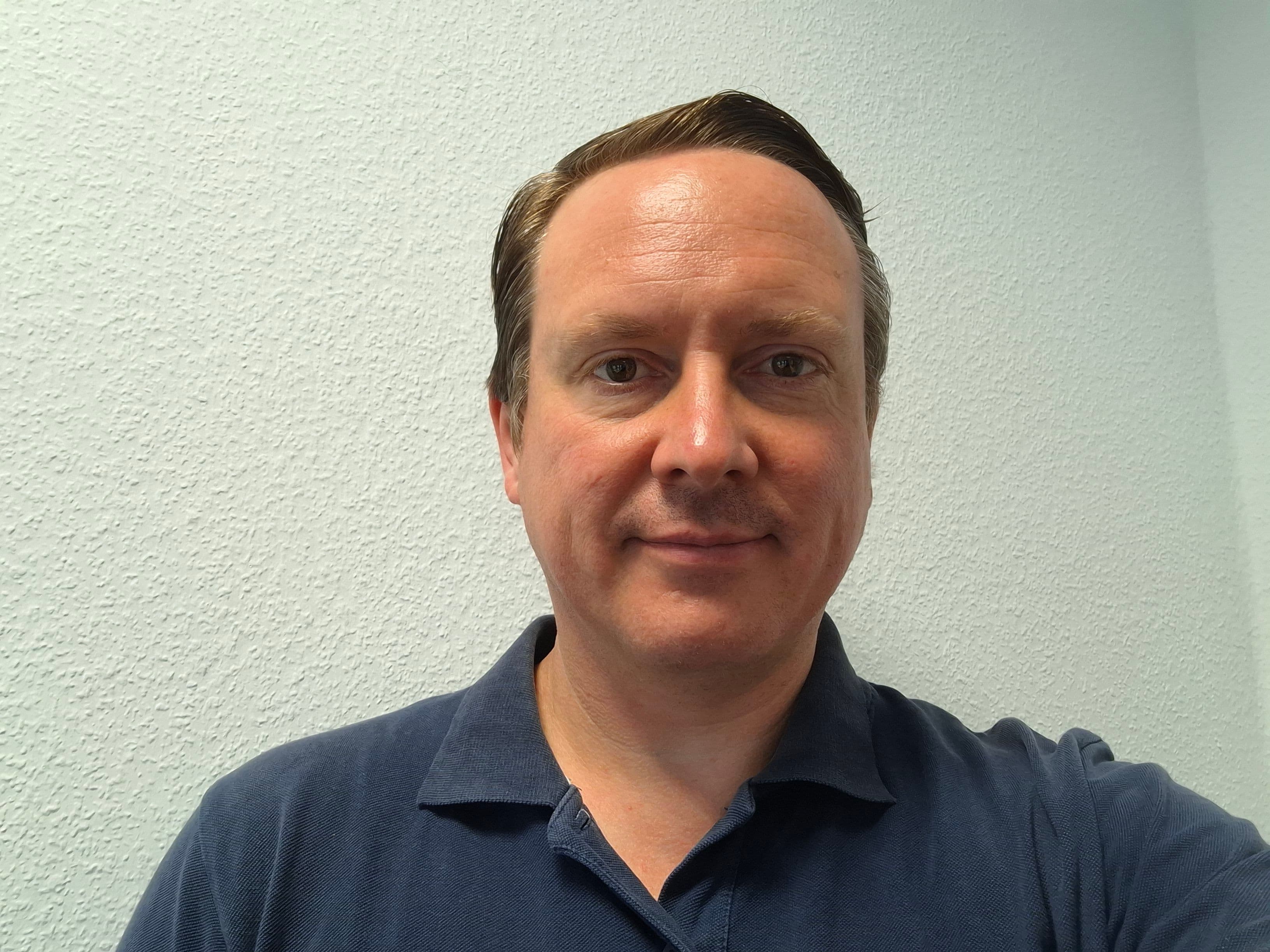
Markus Möller
Markus Möller is active on the Hessian state board of Mehr Demokratie e.V. (More Democracy). His contribution examines the global future of democracy and analyses democratic processes and forms of participation from the local to the global level.
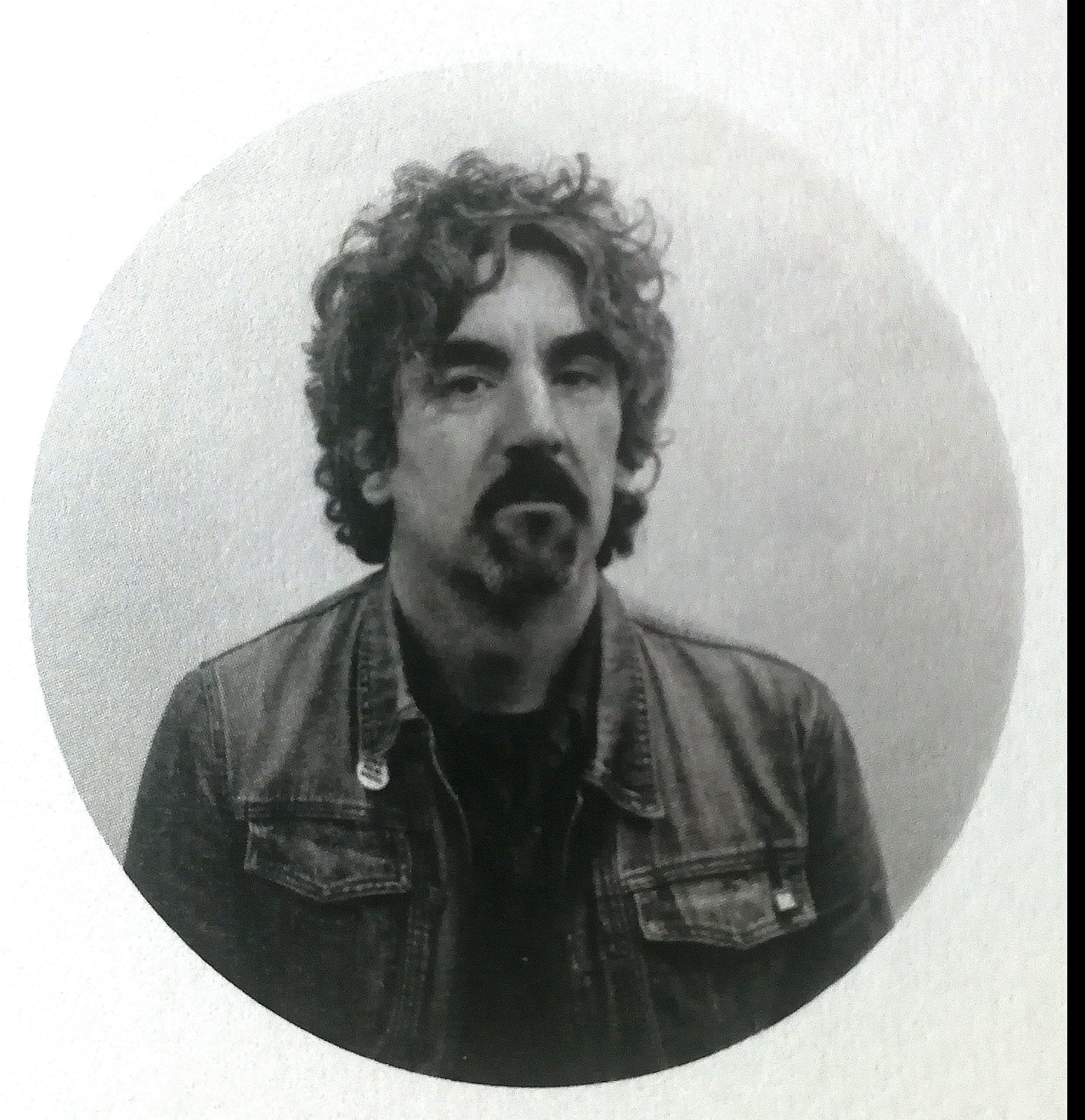
Brian Morgan, Dr.
Brian Morgan is a PhD researcher at Ulster University. In his contribution, he examines the role of design in the renewal of democracy and argues for civic prototyping as an everyday, experimental practice of citizen participation outside of top-down structures.
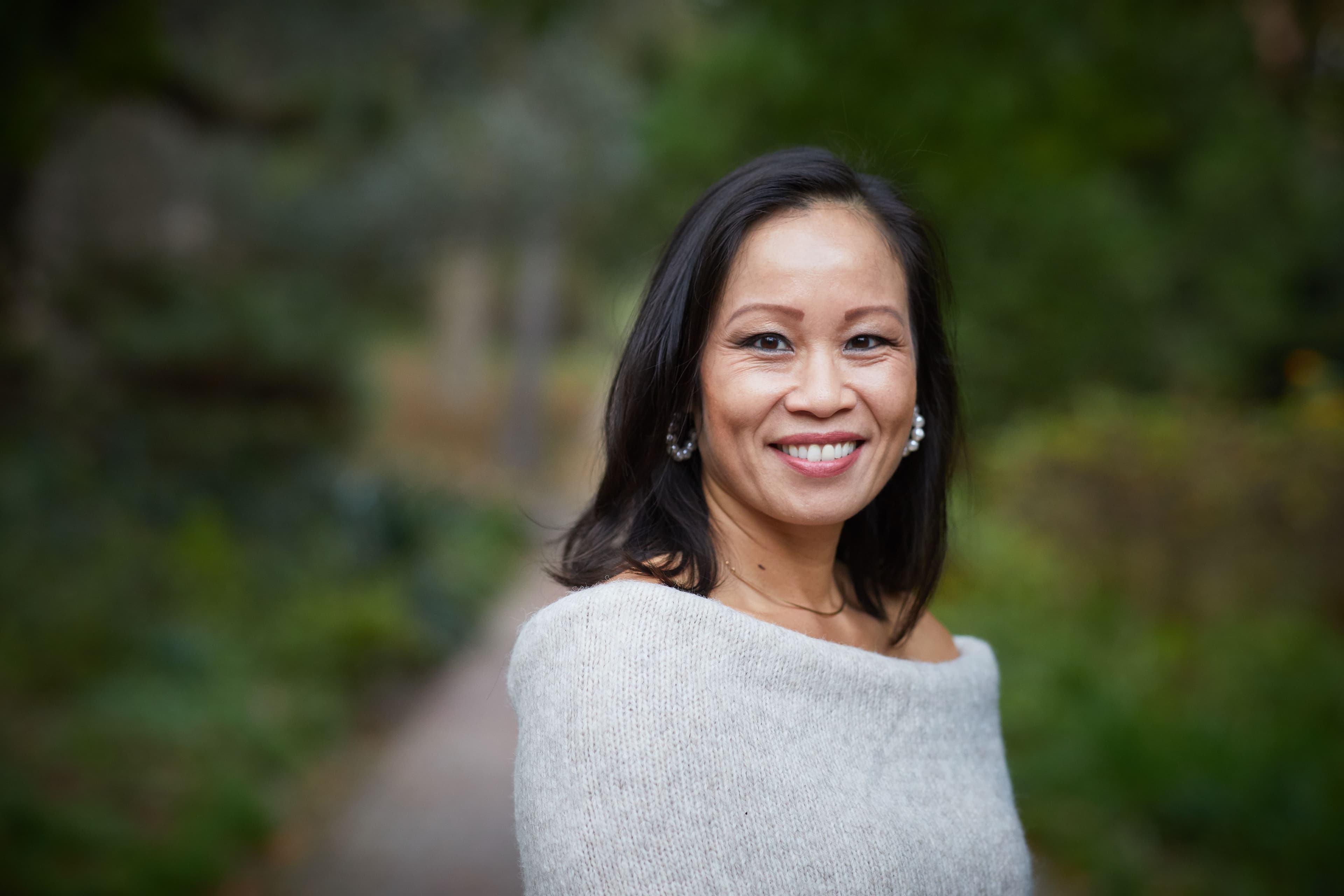
Mai Nguyen, Prof.
Professor Mai Nguyen is the director of the Design Lab at UC San Diego. In her panel presentation on Design in Government, she presents models for community-driven, civic design that promotes social and spatial justice.
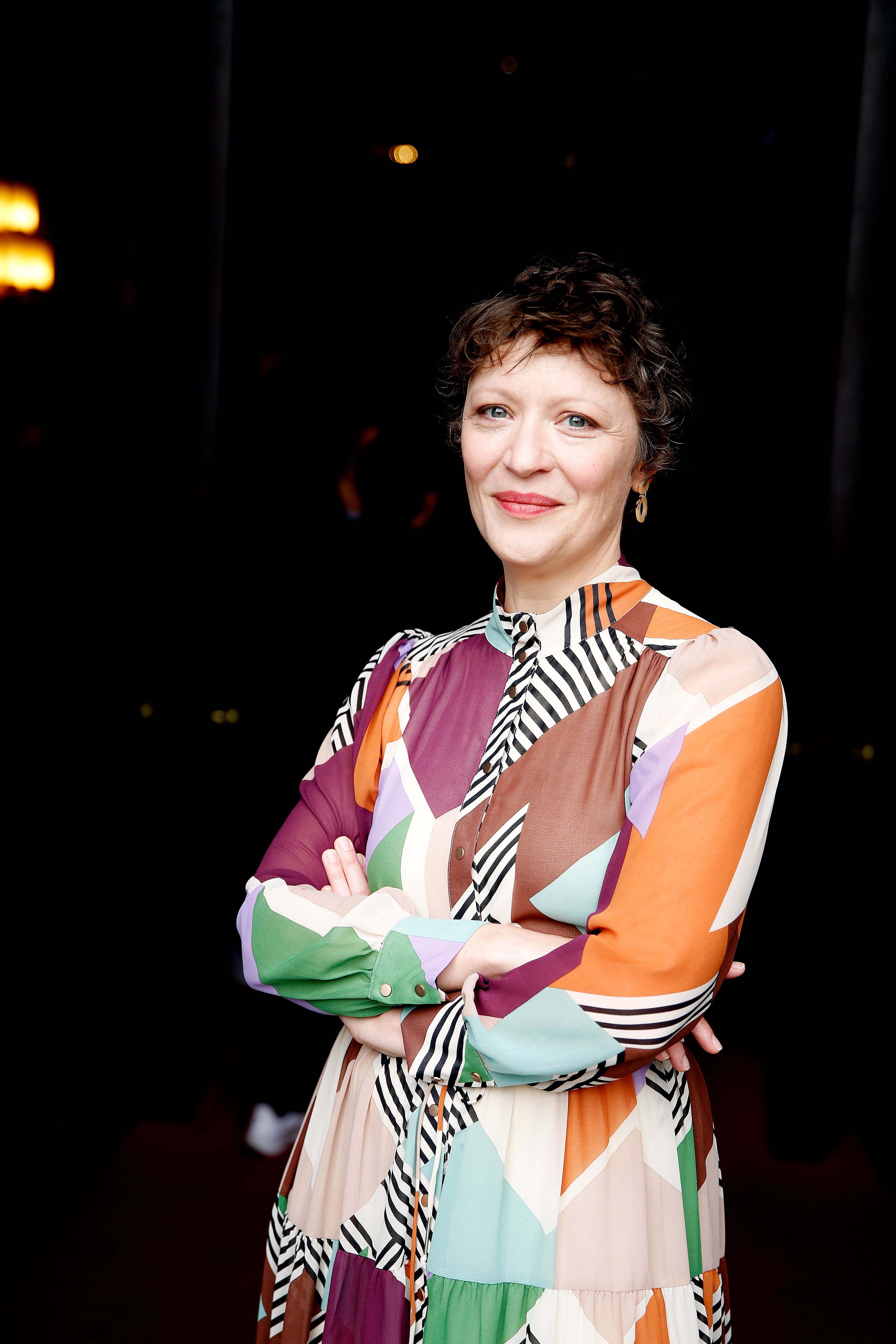 ©www.constanzeflammme.de
Caroline Paulick-Thiel, Master Public Policy
Caroline Paulick-Thiel is the director of Politics for Tomorrow. She discusses how distributed agency, transparent responsibilities, and revisable power must be reconfigured to shape crisis-driven transformations democratically.
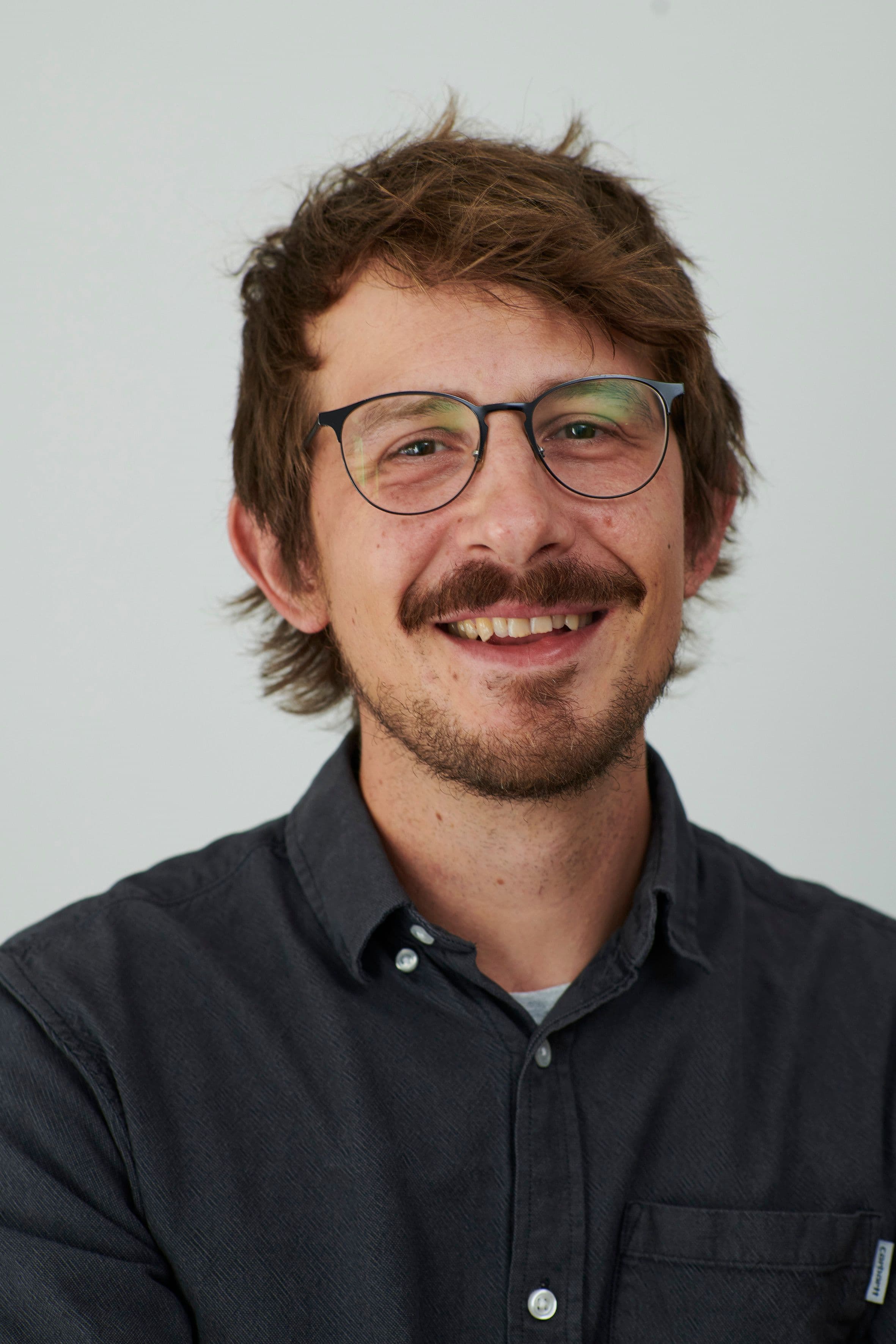
Felix Petersen, Dr.
Dr. Felix Petersen is a research associate at the Institute of Political Science at the University of Münster. His research focuses on democratic innovations, and he discusses how robust democratic governance requires the active participation of citizens in decision-making processes.
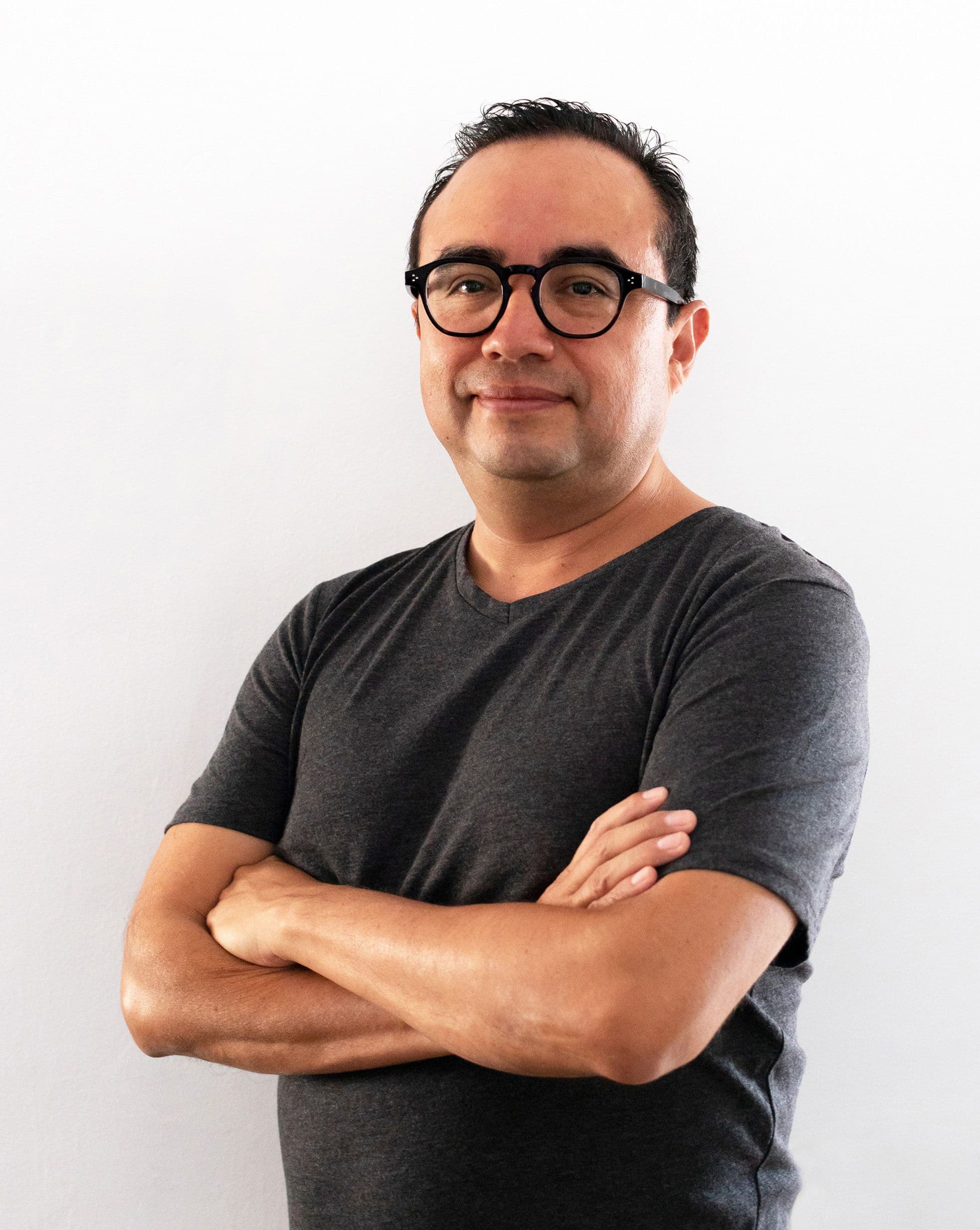
César Reyes, Phd
César Reyes is an architect, editor, and postdoctoral researcher in Urban Regeneration at the University of Luxembourg. As co-curator of Cultures of Assembly (COA), he presents The Esch Clinics, exploring how direct action and policy design foster urban commoning and Luxembourg's first permanent citizen assembly.
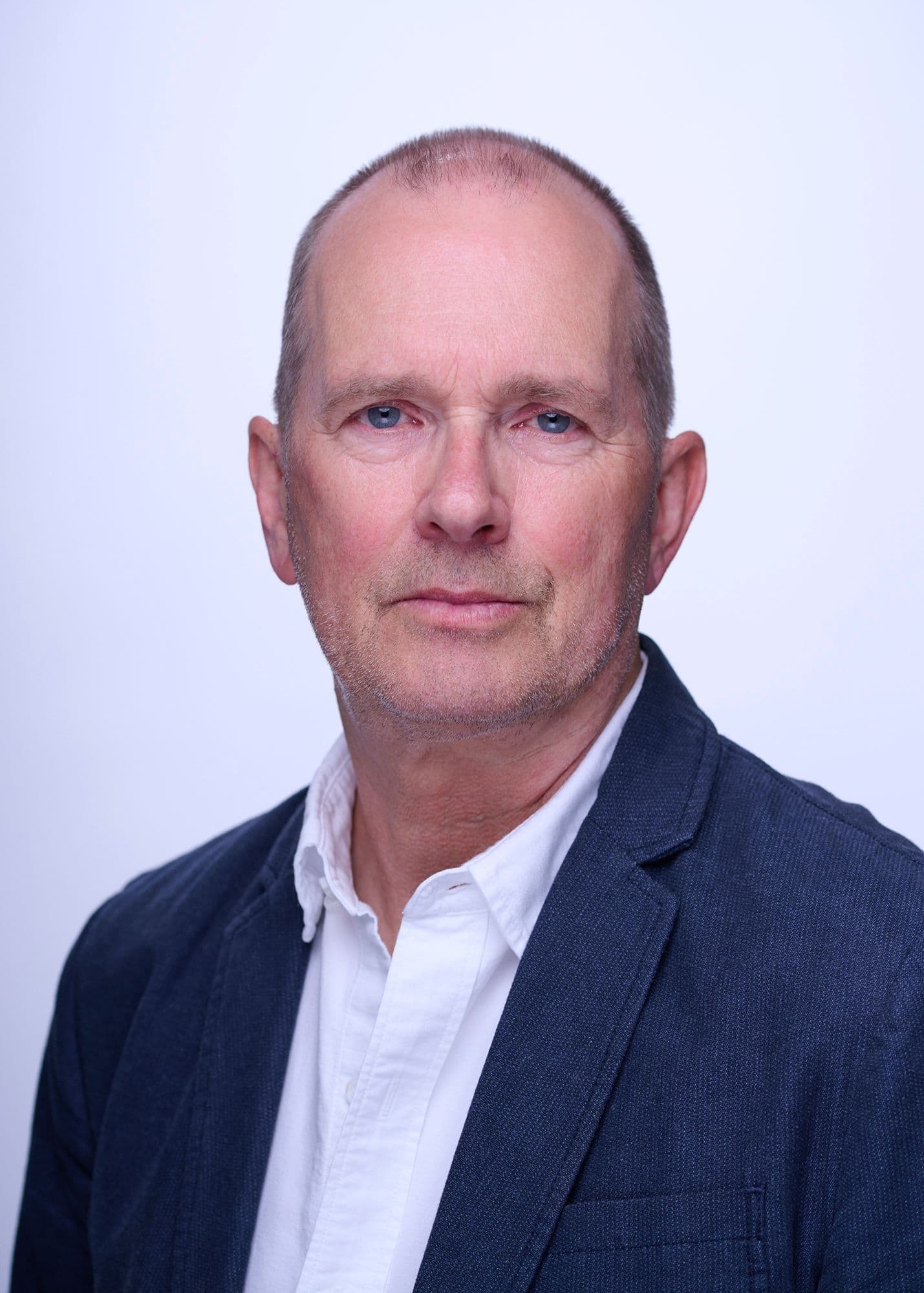
Michael Saward, Prof.
Professor Michael Saward is a professor at the University of Warwick and a democratic theorist. In his article, he presents his interdisciplinary project, which examines democratic systems through the lens of design thinking in order to rethink democratic structures.
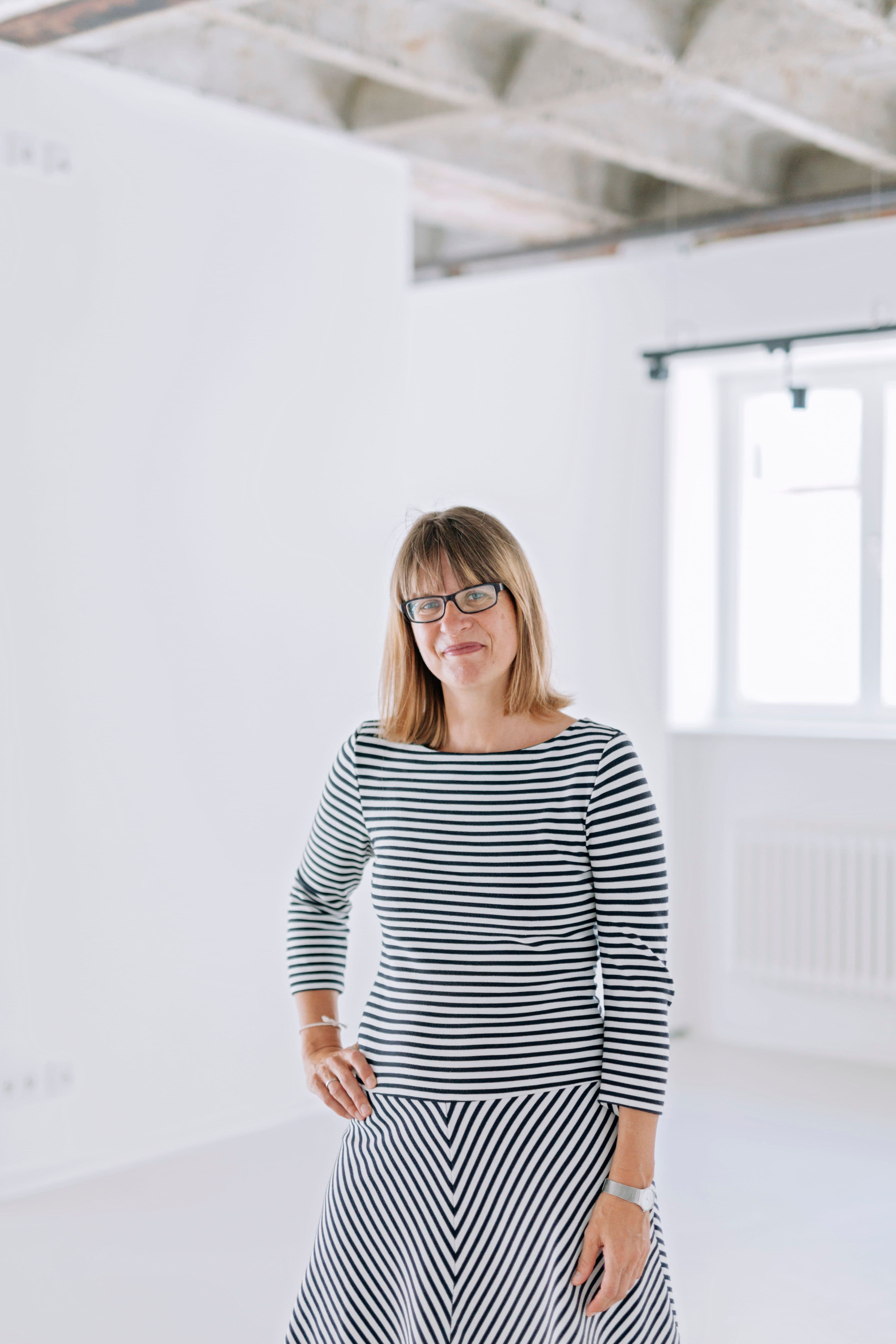 ©Ben Kuhlmann
Anna Scheuermann, Dipl.-Ing.
Anna Scheuermann is an architect, author, curator, and co-founder of Architects for Future in Frankfurt RheinMain. She is participating in the Transformation Roundtable and emphasises the need to avoid demolition and instead promote the conversion and expansion of existing buildings in Germany.
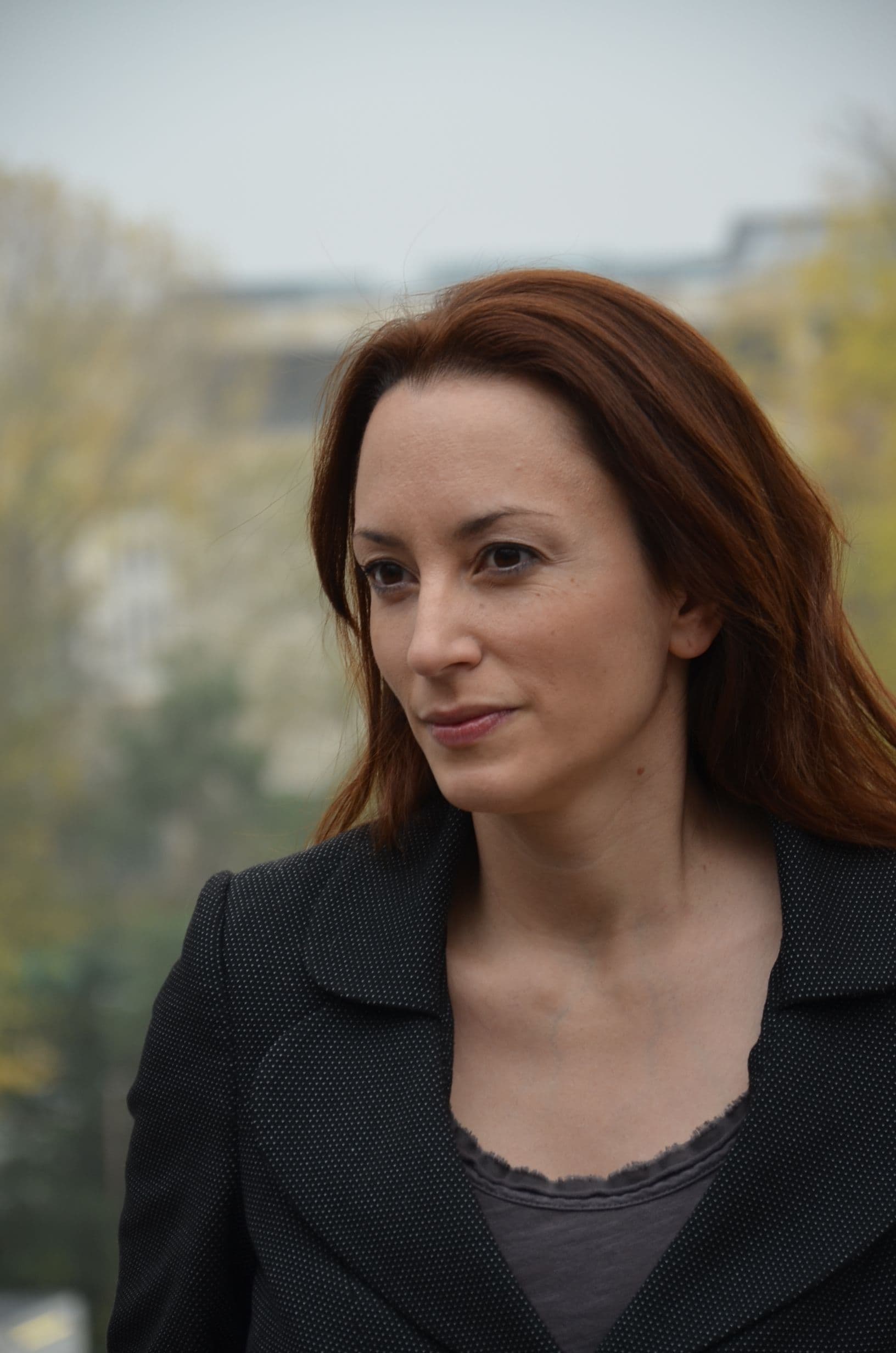 ©"Normative Orders"
Rebecca C. Schmidt
Rebecca C. Schmidt is the managing director of the Research Center for Normative Orders. In her contribution, she emphasises that social and political participation can be restricted or promoted through design, which is why democracy and design must necessarily be considered together.
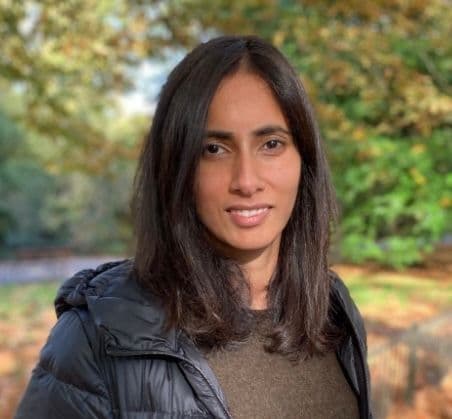
Neha Sharma
Neha Sharma is a Senior Policy Designer in the UK government's Policy Lab. She shares her experience in bringing human-centered and design-oriented approaches to policymaking to make it more responsive, inclusive, and relevant to people's lives.
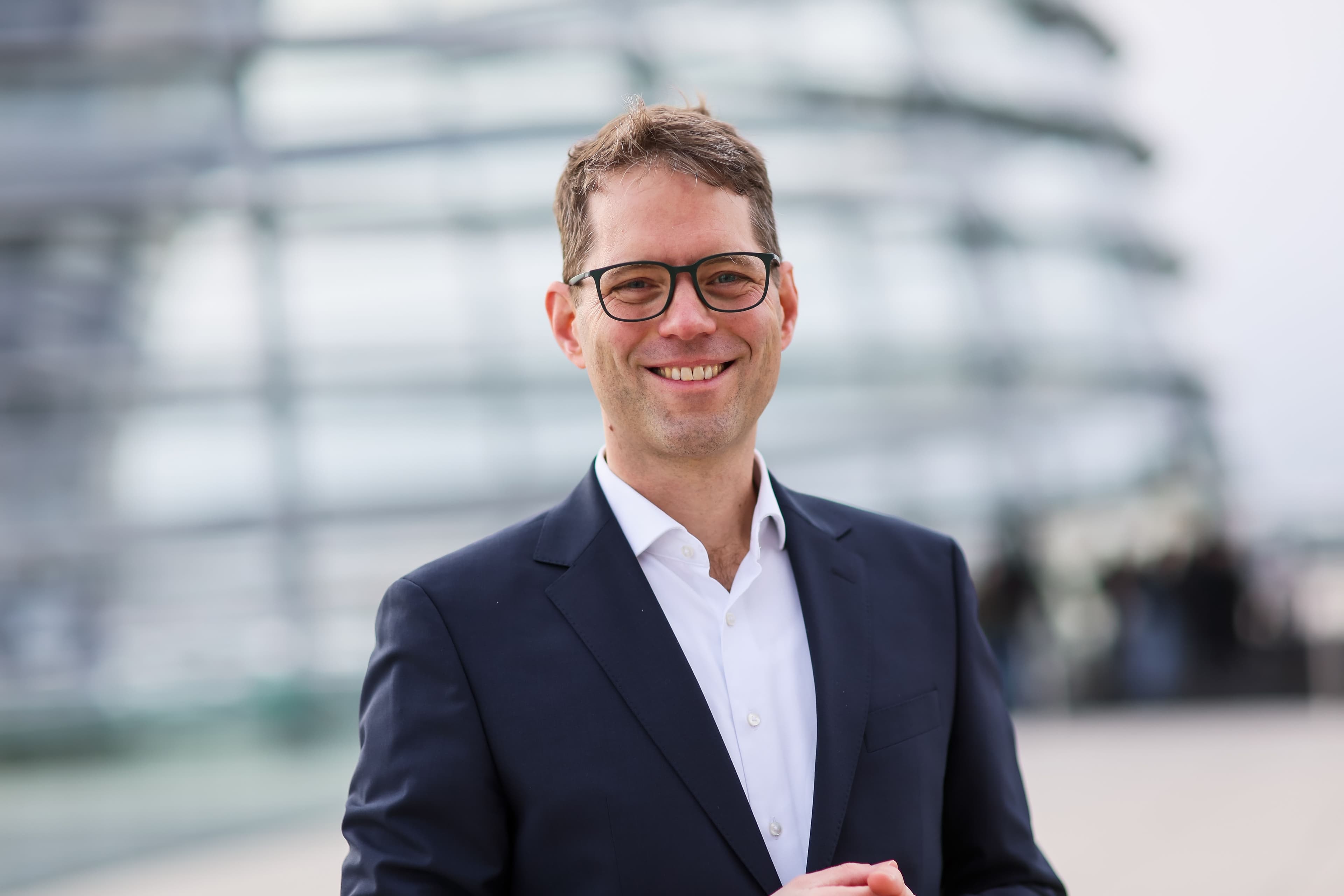 ©www.actionbilder-oppermann.de
Sven T. Siefken, Prof. Dr.
Professor Dr. Sven T. Siefken is a professor of political science at the Federal University of Applied Administrative Sciences. In his article, he examines the interfaces between political science and design and discusses how these disciplines can collaborate in the further development of democratic representation.
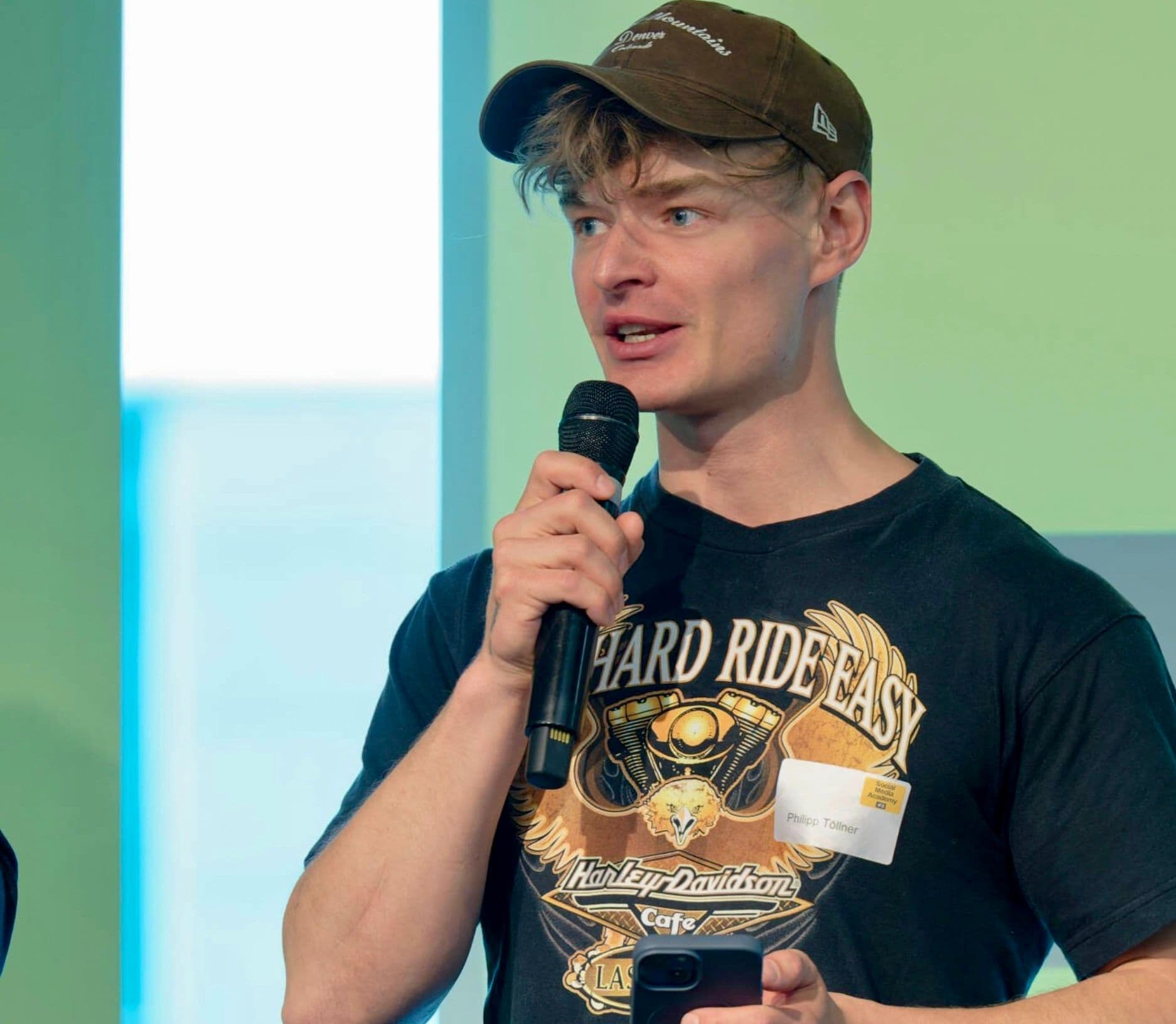
Philipp Töllner
Philipp Töllner is a social media manager and co-founder of the Social Media Academy. In his article, he calls for accessible knowledge about platform design and the development of independent democratic infrastructures to counter the dominance of far-right actors in social media.

Rojda Tosun, Ass. iur.
Rojda Tosun is a lawyer and founder of PublicLegalDesign. She is participating in the roundtable on state reform, asking who shapes the rules of our democracy and how law and institutions can be designed to enable social change.
 ©privat
Friedrich von Borries, Prof. Dr.
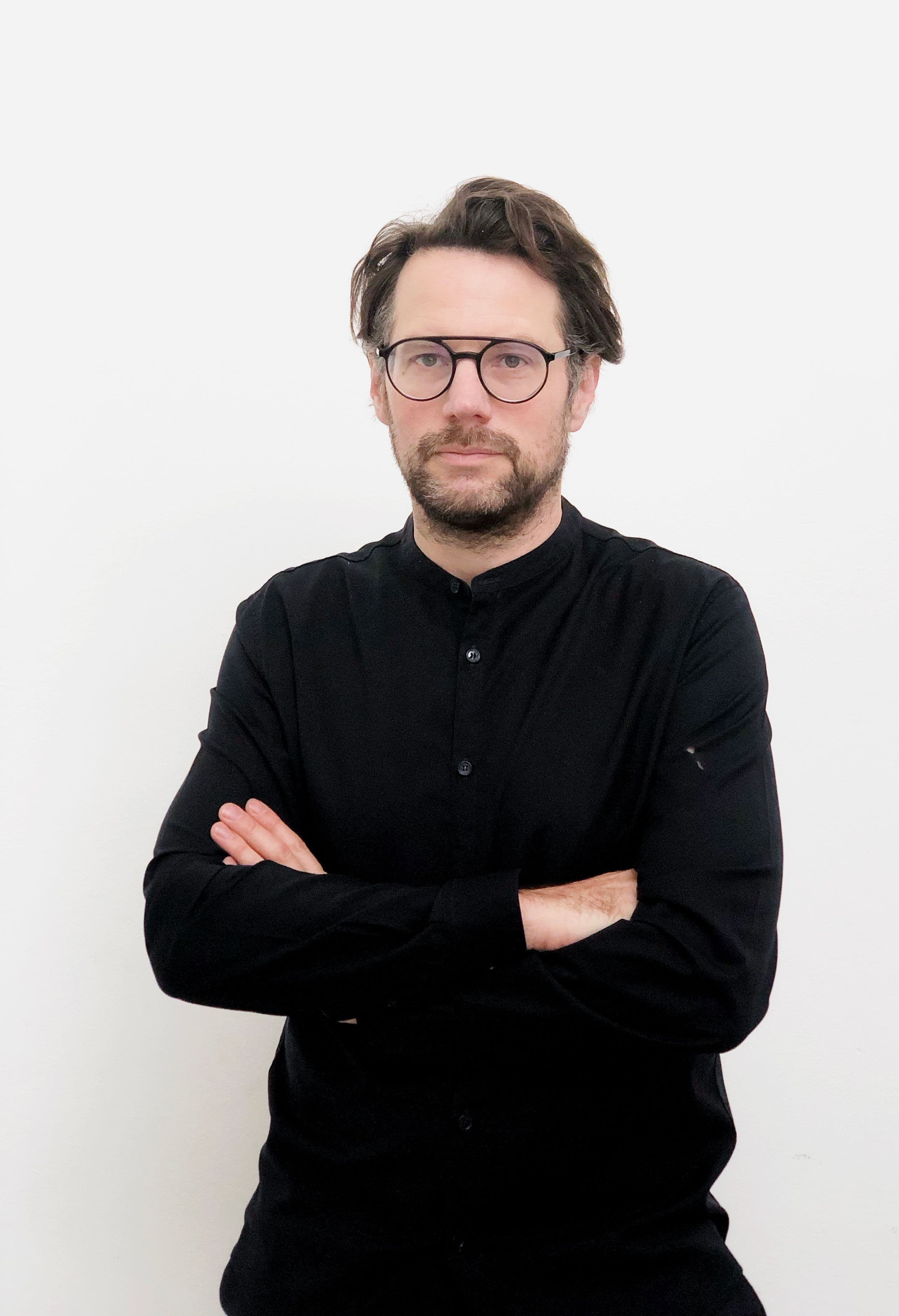
Professor Dr. Friedrich von Borries teaches design theory at the HFBK Hamburg. In his contribution, he argues that democracy is the result of design processes and that we all act as designers of these processes in order to re-evaluate social interaction.
Pradyumna Vyas, Prof.
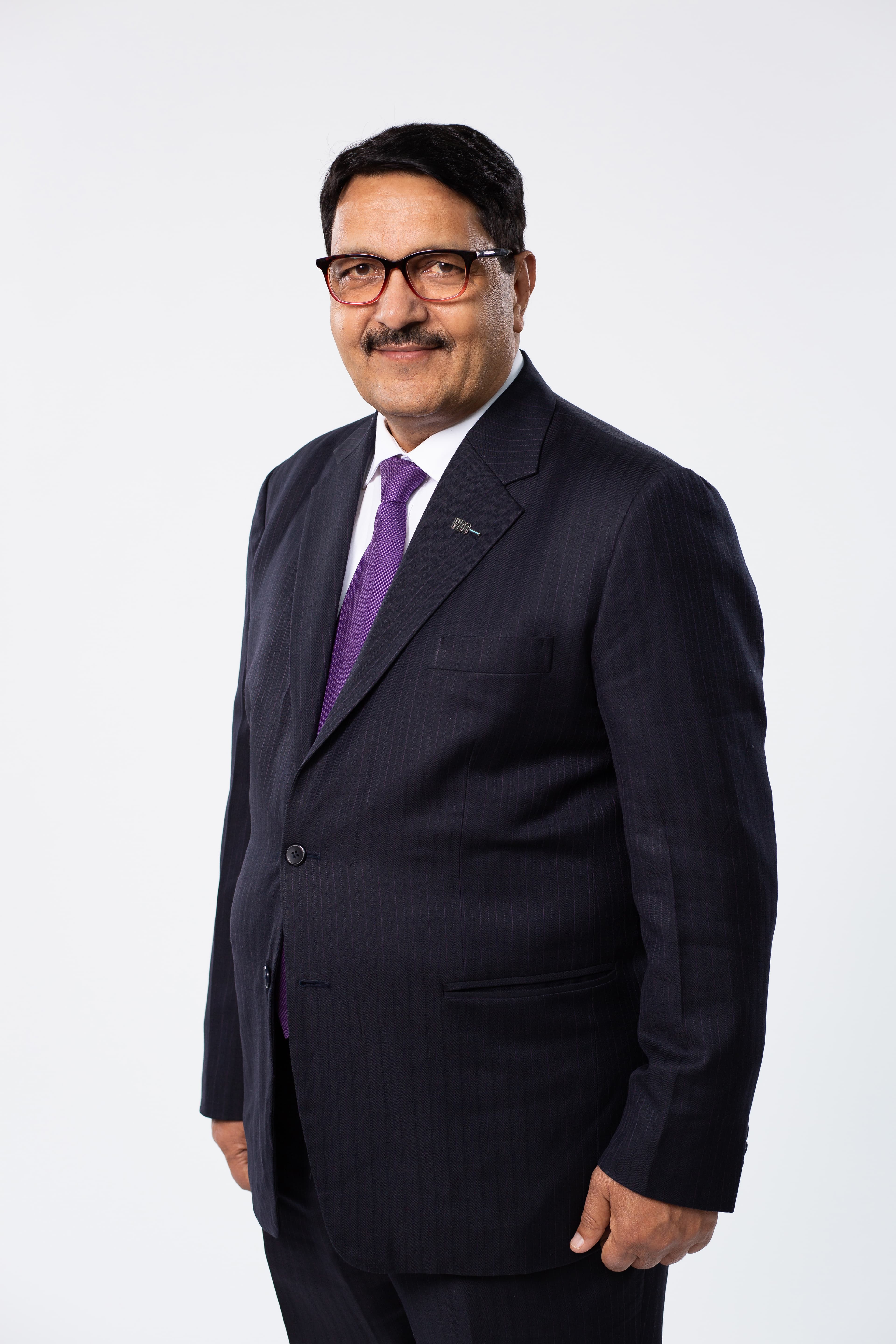
Professor Pradyumna Vyas is President of the World Design Organization. In his contribution, he illustrates how design policy enables the transition from individual projects to systemic change in order to address societal challenges and improve people's lives.
Christian Weis
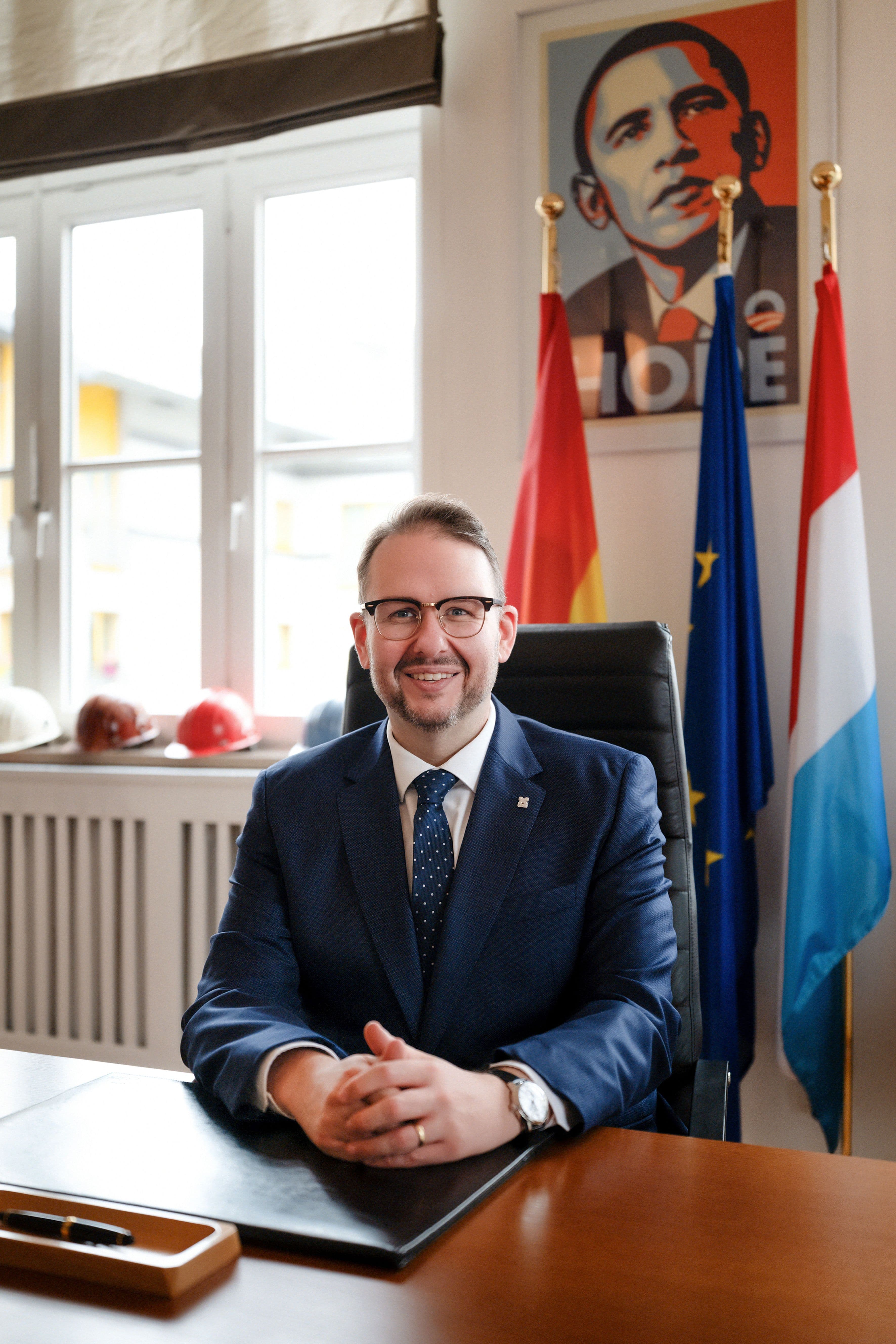
Christian Weis is the Mayor of Esch-sur-Alzette, Luxembourg. Within The Esch Clinics, he shares insights into the transformation of the former industrial city and shows how participatory urban development and citizen assemblies create tangible solutions for urban challenges.
James White
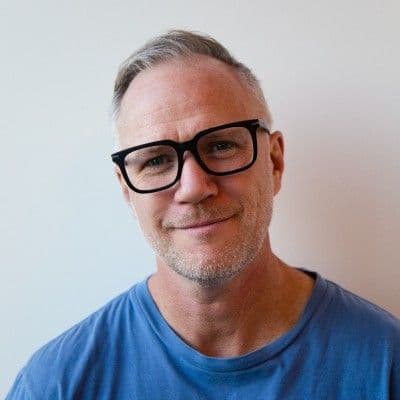
James White is Head of Studios at the Design Lab of UC San Diego. Together with Mai Nguyen, he presents approaches to using design to strengthen civic engagement and bring together designers, communities, and institutions.
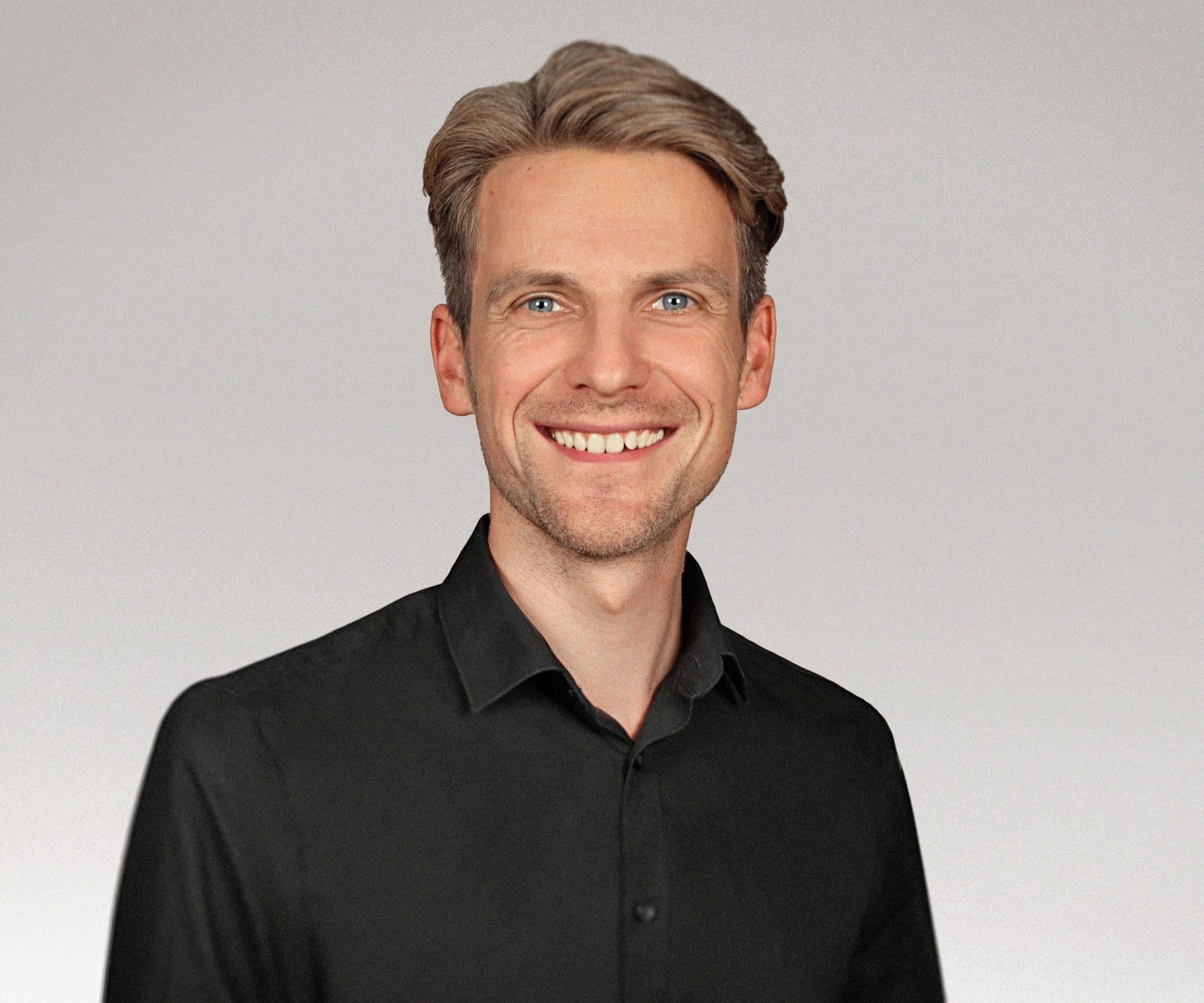
Florian Wieczorek, Dr.
Dr. Florian Wieczorek heads the participation department at Mehr Demokratie e.V. He advocates for a participatory update of our politics and highlights the potential and challenges of citizens' assemblies in democratic decision-making.
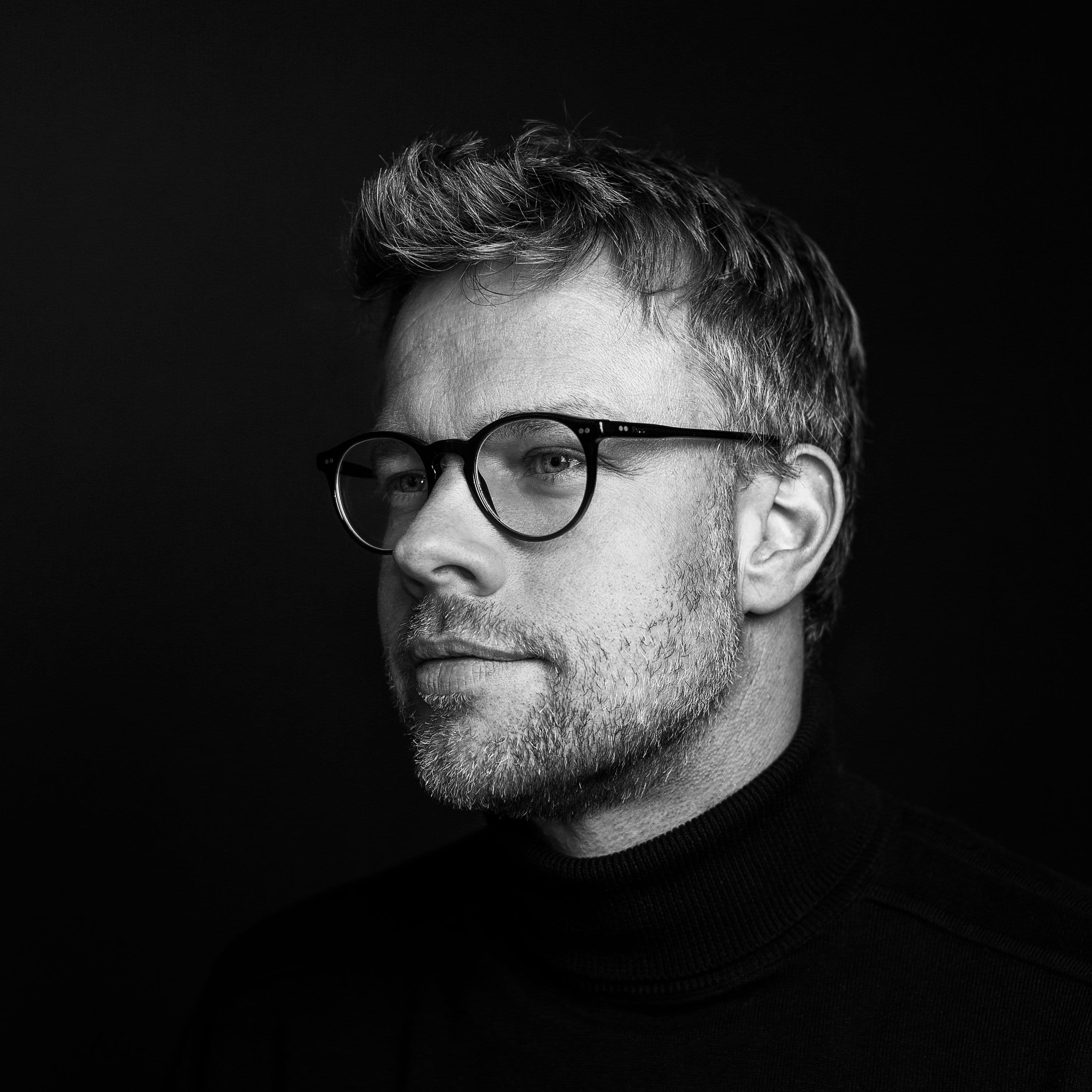 ©Manuela Bust
Tobias Witt
Tobias Witt is Service Design Lead at CityLAB Berlin. In his article, he makes it clear that the digitalisation of public administration will only succeed if the underlying processes are considered and employees are able to embrace the changes.
How to get to the venue: