 ©Ben Kuhlmann
Design as a Tool for Democracy
This article reflects on the role design can play in times of social tension and democratic challenges. Focusing on civil society, participation, education, networking and design policy, and using the example of World Design Capital 2026 Frankfurt RheinMain, it shows how design can become an active tool for democratic processes – based on an expanded understanding of design. At the same time, it addresses the tensions and limitations inherent in such processes and concludes with four (personal) key learnings.
Looking at the current state of society, it is clear that we are facing multiple, overlapping challenges – in ecological, economic, geopolitical and social contexts. We are living in what is often described as a “polycrisis”, which affects us all. The results of Germany’s early federal election in 2025, growing scepticism towards civil society organisations, the pervasive impacts of climate change, and even seemingly ‘banal’ culture wars all demonstrate how charged public discourse currently is. And this is without even addressing the major global conflicts of our time. Society finds itself in a state of tension that calls for active shaping and civic engagement. This need for action concerns everyone – including, explicitly, design and designers.
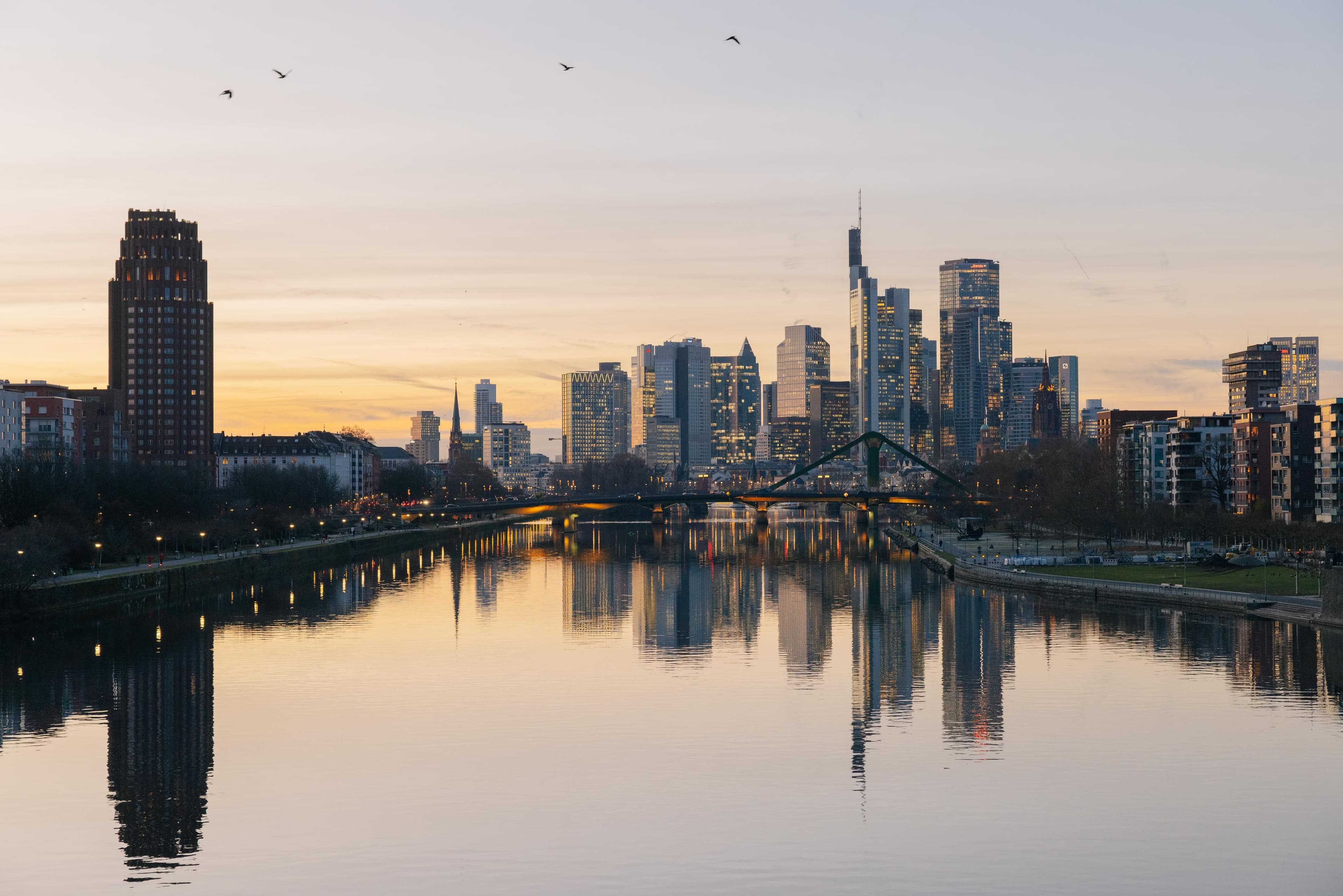
Frankfurt RheinMain has been designated World Design Capital (WDC 2026). Cities apply for this title with a specific theme and concept; in this case, the guiding theme is “Design for Democracy”. This provides a strong example for examining how design can operate in times of societal challenge.
The idea of “Design for Democracy” – or the broader question of design’s agency in a polycrisis – raises two key questions:
- Which definitions of design are being applied?
- And what does democracy mean in the context of design – and what can design realistically achieve?
Design is often reduced to aesthetics – to merely “making things look good”. However, an expanded understanding of design asks what design can and must contribute in the face of societal challenges. Design can create visibility, foster understanding, inform, build bridges, inspire hope, and imagine future scenarios. It can develop narratives for a better future and provide orientation. Design has the power to actively shape our future – not only symbolically, but in very concrete ways.
.jpg&w=3840&q=75) ©Ben Kuhlmann
©Ben KuhlmannDesign & Civil Society
A key element in strengthening society is the involvement of civil society – and this is no coincidence. Transformation researcher, former mayor of Wuppertal, and director of the Wuppertal Institute, Uwe Schneidewind, describes civil society – alongside the economy and ecology – as one of the central drivers of societal change. It mobilises moral resources, tests alternative strategies for action, and acts as a watchdog, catalyst and mediator in public discourse. Civil society is not a marginal actor, but a key force in shaping our shared future.
Participation is not automatic. Participation models show that there are always two sides: an institutional-professional perspective that initiates and facilitates participation, and citizens who actively take part. Even information can be a form of participation – but it must be taken seriously and designed well. The ultimate goal is civic self-activation: enabling people to take ownership of solutions so that institutions can gradually step back.
WDC 2026 addressed this through an open call at the beginning of the programme planning process. Open calls allow for diverse perspectives, reach people who might otherwise remain excluded, and generate inspiration. Crucially, ideas must not only be collected but also implemented – only then does a sense of self-efficacy emerge. This is particularly important in times of uncertainty. People defend their ideas, take responsibility, and become active contributors to society. Ideally, this engagement continues beyond the project period, strengthening structures from the bottom up.
At the same time, participation also entails risks: dilution, overload, frustration through rejection, criticism or outright resistance. It is not a cure-all and must be used thoughtfully. Not all challenges can be addressed through participation alone – expertise remains essential, and design itself is a discipline that requires skill and training. Open calls are therefore only one tool among many.
 ©Ben Kuhlmann
The Power of Networking and Collective Learning
In addition to selecting projects, education and networking play a crucial role in shaping transformation processes. Education is widely recognised as a key driver of democracy and social cohesion. Even if educational formats are not always seen as immediately attractive or profitable, they foster attitudes, enable dialogue, and empower people to act responsibly.
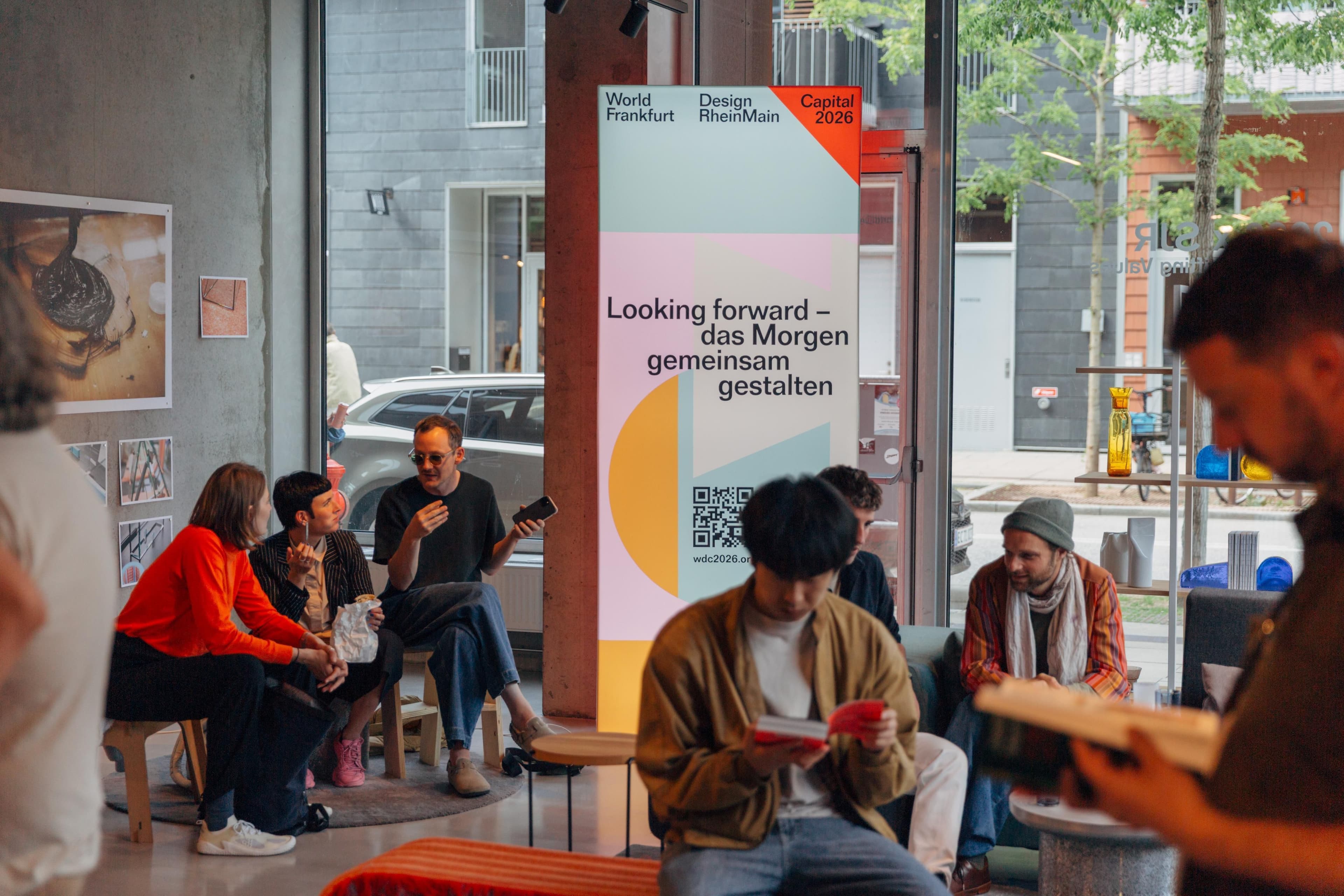
As part of WDC 2026, the WDC Academy offered participants training on topics such as accessibility, sustainable event practices, and conflict management. The aim was to equip contributors with skills that extend beyond their involvement in a major event. Participation varied, highlighting a common challenge: promoting educational offers that do not promise immediate visible benefits can be difficult, and often requires additional time from already committed individuals.
Networks, on the other hand, create identification, responsibility and a sense of belonging. Whether through events, meetings, talks or newsletters, networking generates value across many levels. True impact arises through collaboration and co-creation. However, networks require active facilitation and care – though their benefits are especially strong in the medium and long term, particularly in socially oriented design processes.
Design Policy and Long-term Impact
Democratic participation goes beyond elections. In addition to direct and representative democracy, there is a dialogical dimension, including formats such as co-creation, real-world labs, discourse formats and academic debate. These formats are highly influential, even if they are less institutionally anchored. WDC 2026 can be situated within this sphere.
At the same time, representative political structures remain crucial, as lasting impact ultimately depends on legislative and institutional change. Therefore, strong connections between these different dimensions are essential. Dialogical formats can inspire and demonstrate alternatives, influencing political decision-makers. Initiatives such as the Design Policy Days within WDC 2026 and organisations like the German Design Club help bridge this gap.
Working at these intersections is complex and often conflict-ridden. Political interests, hierarchies and institutional logics frequently clash with civic processes. Clear positions, transparency and the ability to make well-founded decisions are therefore essential.
Transformation requires impact – and impact requires visibility. Impact studies, documentation and shared frameworks for measuring outcomes are crucial. Compared to other sectors, design still lacks widely established standards in this area.
Key Learnings
- Participation involves ambiguity and openness – and this must be embraced to enable democratic engagement.
- Conflict is not a sign of failure, but an essential part of meaningful processes and a healthy democracy.
- A clear stance outweighs particular interests.
- In times of crisis, there is immense creative potential – if we recognise it as an opportunity.
As Bruce Mau puts it:
“Once you start caring, you start designing.”
Sources and further reading:
Uwe Schneidewind
The Great Transformation: An Introduction to the Art of Societal Change
oekom verlag, Munich.
Gaby Straßburger / Judith Rieger (eds.)
Participation Compact: For Study, Teaching and Practice in Social Professions
Paperback, 252 pages.
Published: 15 January 2019. ISBN 978-3-7799-3988-7.
Jörg Sommer (ed.)
Civic Participation Handbook #1
Republik Verlag, Berlin, 2015.
540 pages. ISBN 978-3-942466-14-1.
Maja Göpel
Values: A Compass for the Future
Hardcover, published 27 January 2025.
Subtitle: How our values shape society, transformation and decision-making.
Barbara Lersch
Barbara Lersch is a curator and cultural manager specialising in design, urban transformation and the shaping of society. Since 2024, she has been Chief Programme Officer of the World Design Capital Frankfurt RheinMain 2026, where she is responsible for the programme under the motto Design for Democracy. Atmospheres for a Better Life.
Previously, she led projects for more than ten years at the Hans Sauer Stiftung, focusing on social design, participatory urban development and knowledge transfer.